
 Dutch
Dutch Spanish
 French
 Russian
 Chinese
Park area (1,253 sq mi)
National park status (game reserve since 1951)
Bird species recorded
Mkomazi National Park sits in Tanzania’s Kilimanjaro and Tanga Regions, in the opposite direction from Arusha to the classic northern circuit, contiguous with Kenya’s Tsavo West National Park across the border. First protected as a game reserve in 1951, the area suffered decades of overgrazing and poaching before a restoration programme led by conservationist Tony Fitzjohn, working with the George Adamson Wildlife Preservation Trust, began rebuilding it from 1989 onward. It was upgraded to full national park status in 2006.
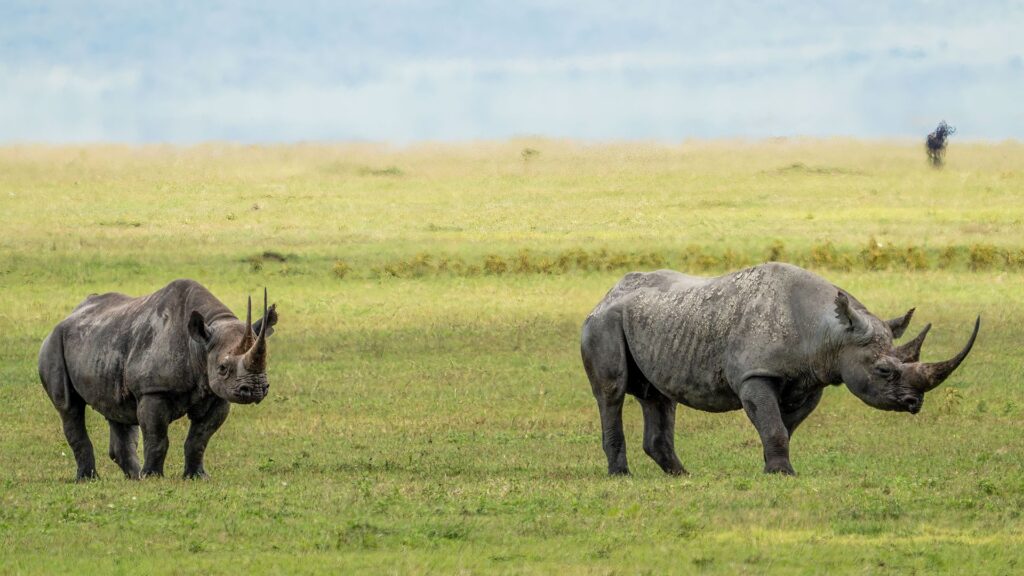
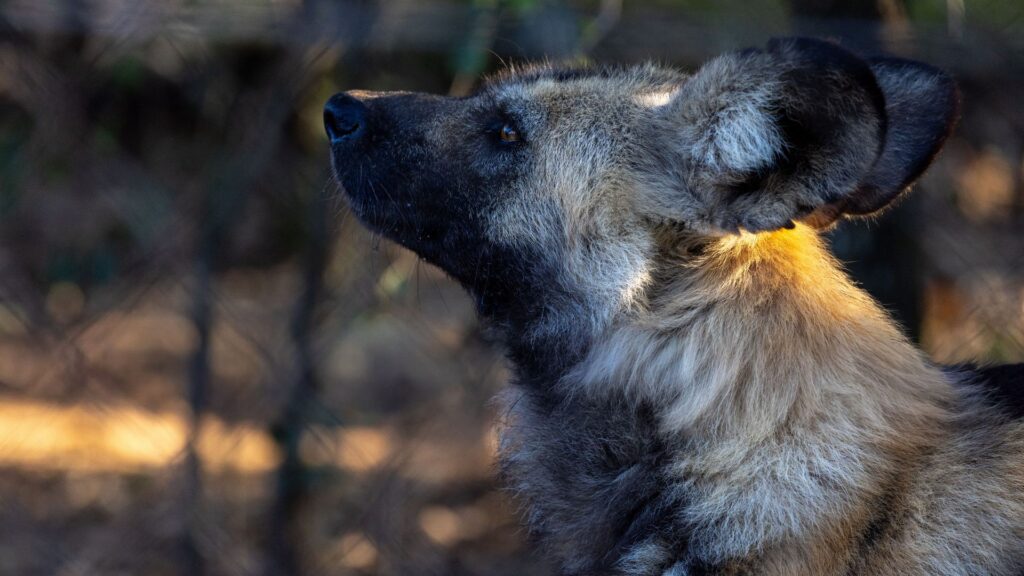
That restoration story is Mkomazi’s real headline: it now holds roughly 30% of Tanzania’s entire black rhino population inside a guarded sanctuary, and hosts one of Africa’s longest-running African wild dog breeding and reintroduction programmes. Elephant numbers have grown from just 11 individuals in 1989 to around 500 today.
Landscape-wise, Mkomazi is Tanzania’s slice of the Sahel — dry Acacia-Commiphora savanna framed by the Pare Mountains to the west and the Usambara Mountains to the east, with Kilimanjaro visible on clear mornings. Sitting off the main northern-circuit route, it remains one of Tanzania’s least-visited major parks — a genuine rarity: a full safari experience with almost no other vehicles in sight.
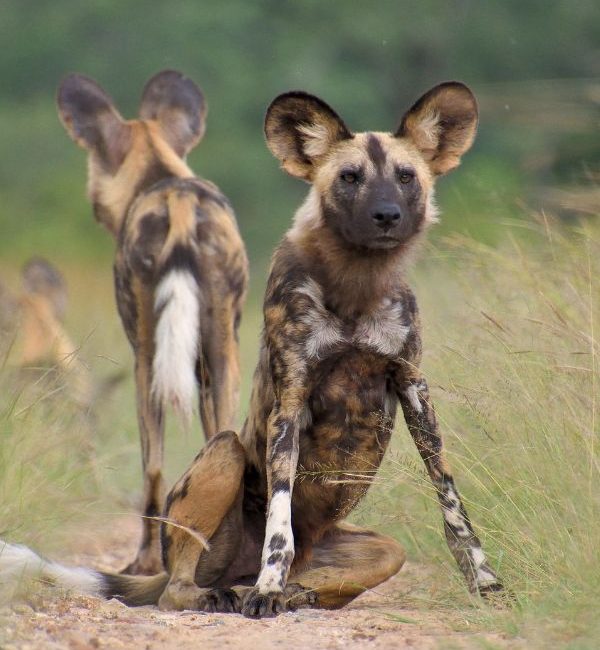
Tap a season on the loop to see how conditions shift for Mkomazi's signature wildlife.
Brief showers green up the savanna, with wildlife still fairly concentrated around permanent water before the rains fully take hold.
Good to know: guided visits to the Black Rhino Sanctuary must be arranged through the park authority, and sightings — while far more likely here than anywhere else in Tanzania — are never guaranteed.
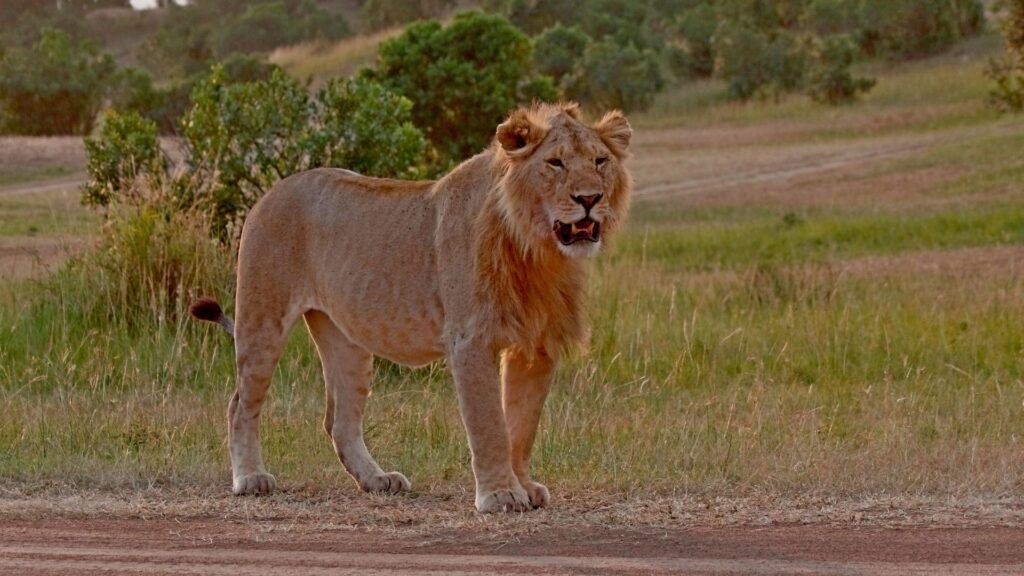
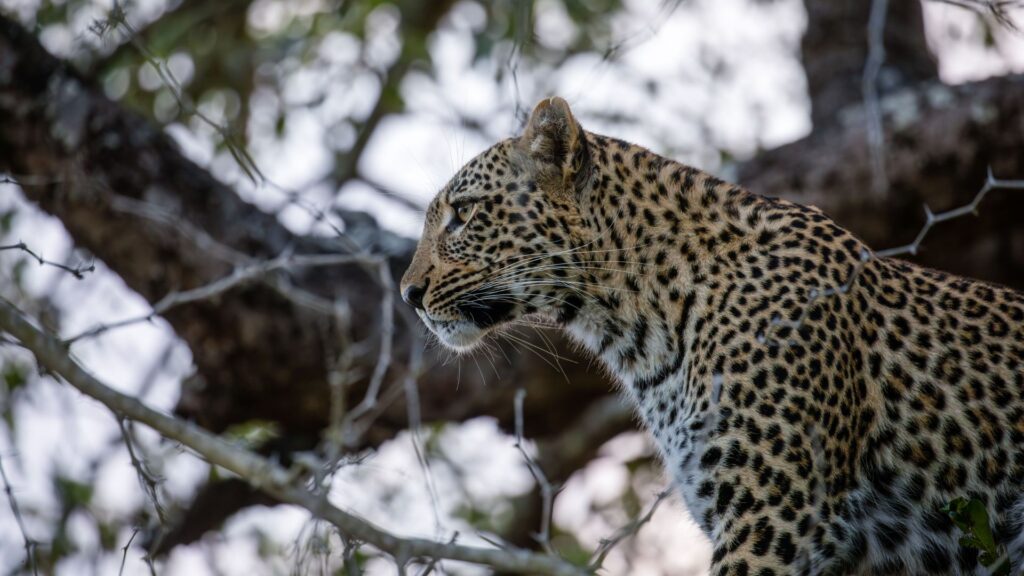
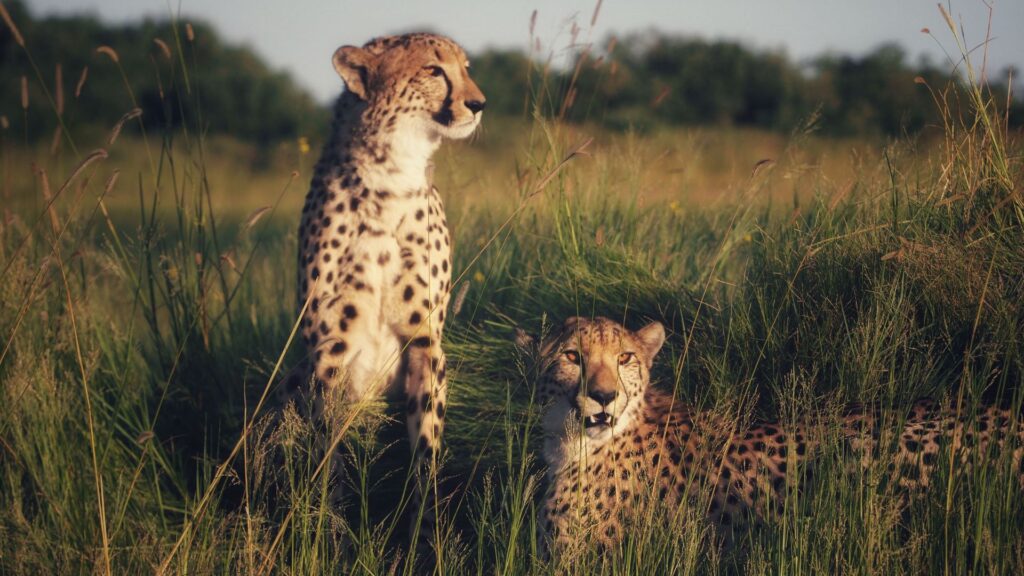
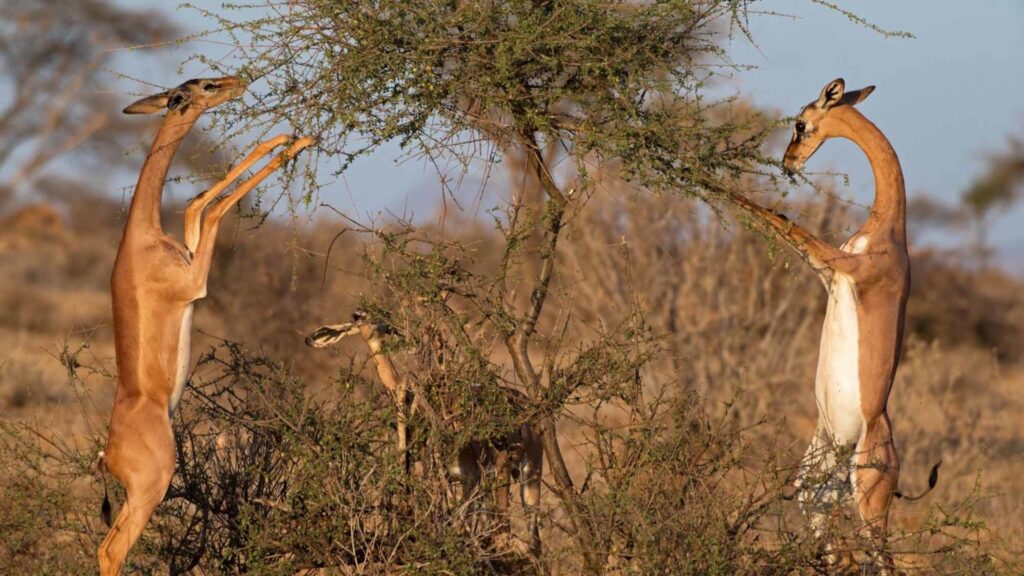
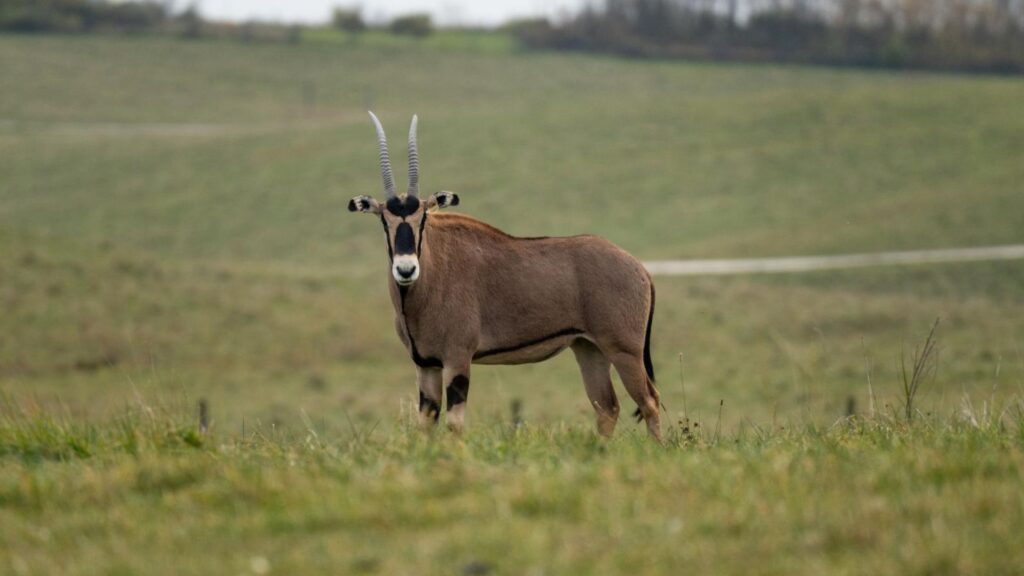
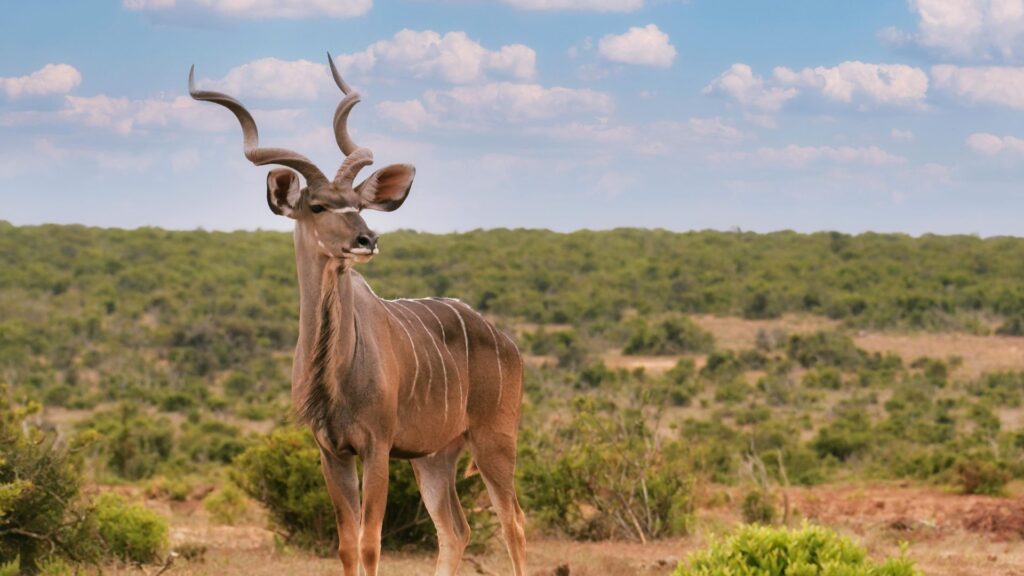
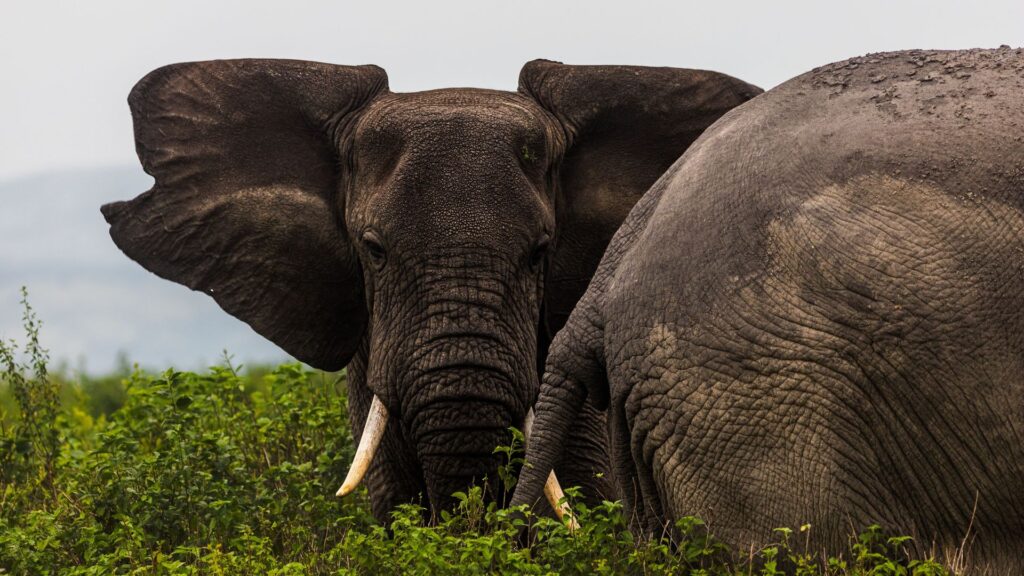
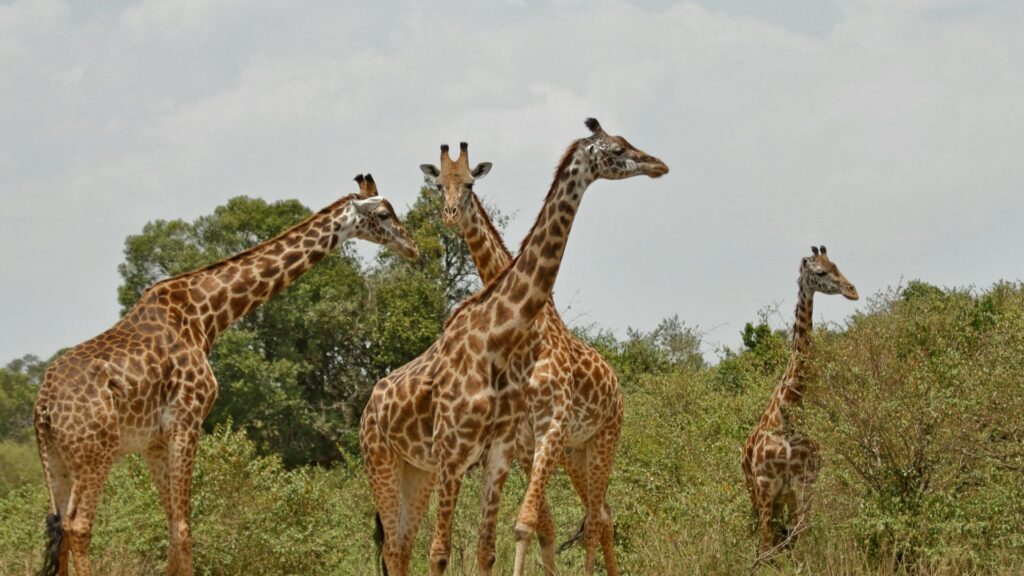
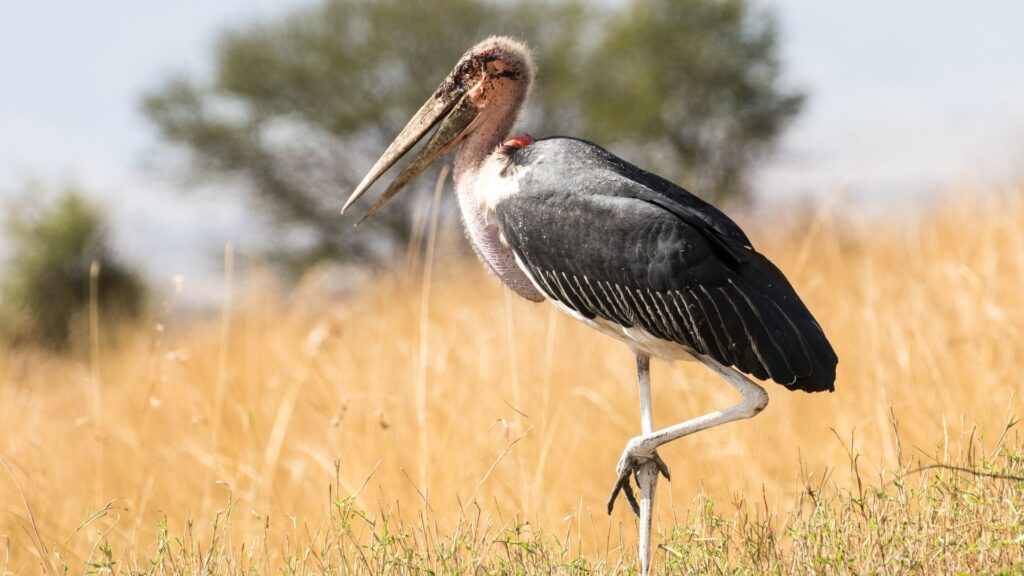
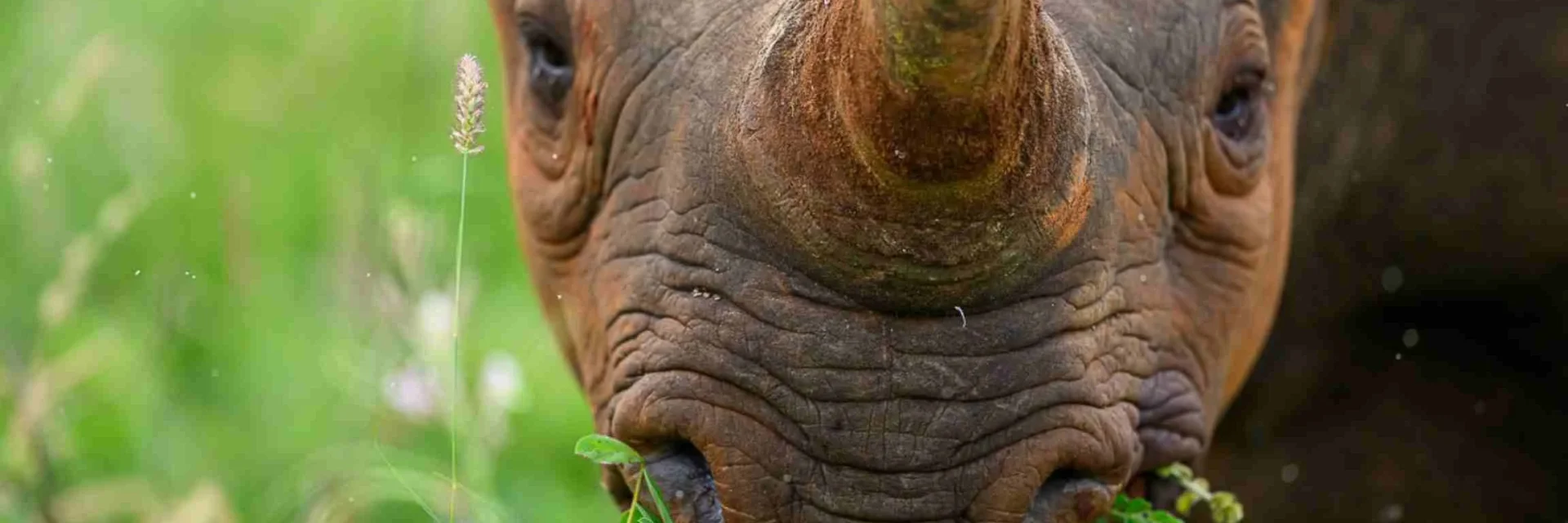
The park's main water source and the most reliable spot for general game viewing, especially in the dry season.
A fenced, closely guarded sanctuary with two distinct visitor areas — Mbula Reserve (public, TANAPA-managed) and Kisima Reserve (private, hide-based viewing).
The mountain ranges framing the park to the west and east offer cooler air, scenic backdrops, and optional hiking add-ons.
Mkomazi's remote northern reaches share an unfenced border with Kenya's Tsavo West, forming a single cross-border elephant corridor.
| Season | Months | Conditions | Highlights |
|---|---|---|---|
| Dry season / peak | Sep - Oct | Dry and clear — wildlife concentrates around Dindira Dam. | The most reliable general game viewing of the year. |
| Wild dog denning season | Jun - Aug | Dry, with packs relatively sedentary around their dens. | Significantly raised odds of an African wild dog sighting. |
| Short rains | Nov - Dec | Brief showers begin greening up the savanna. | Fewer visitors, with wildlife still fairly concentrated near permanent water. |
| Transition | Jan - Feb | A warm, mostly dry interlude between the rains. | Good general game viewing with pleasant conditions. |
| Long rains / green season | Mar - May | Heaviest rainfall of the year; lush, quiet, and some tracks harder going. | Excellent birding and the fewest visitors of the year. |