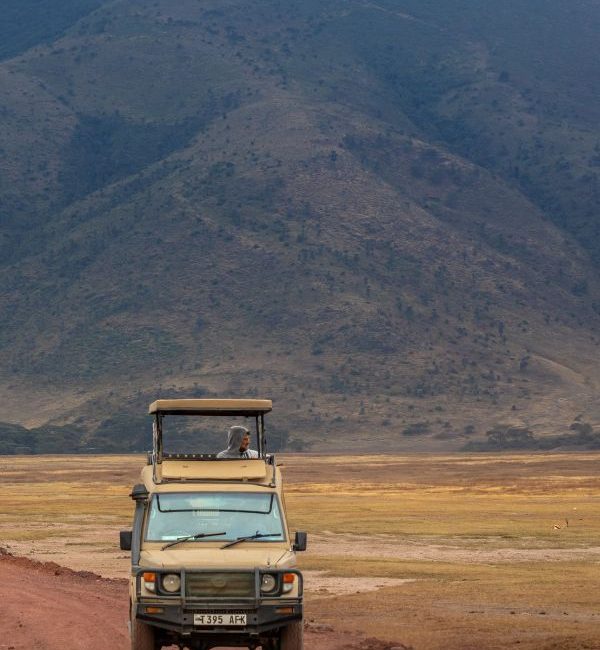
Ngorongoro Crater sits within the Ngorongoro Conservation Area (NCA) in northern Tanzania, roughly 180 km (about a 3-hour drive) west of Arusha, directly adjoining the Serengeti’s southeastern boundary. Formed when a giant volcano collapsed in on itself some 2–3 million years ago, the crater is the world’s largest intact, unfilled volcanic caldera — its walls rise roughly 600 metres above a floor spanning about 260 km².
Inscribed as a UNESCO World Heritage Site in 1979, the NCA is unique among Tanzania’s protected areas as a multiple land-use zone: Maasai pastoralist communities live and graze livestock within its boundaries alongside the wildlife, rather than being excluded as in a standard national park.
Because the crater floor holds water and grazing year-round, an estimated 25,000 large animals live there permanently, without needing to migrate — among the highest densities of resident wildlife anywhere in Africa, including one of the region’s last strongholds of the critically endangered black rhino.
The crater through the seasons
Tap a season on the loop to see how conditions on the crater floor change through the year.
January – February
A brief dry spell
A short dry interlude between the rains brings clear crater-floor visibility and good wildlife viewing, with fewer crowds than the peak dry season.
Good to know: vehicles are restricted to a maximum of 6 hours on the crater floor and must exit by 6pm — plan an early descent to make the most of your visit.
Who you'll meet on the crater floor
The crater’s permanent water and grazing support one of Africa’s densest concentrations of resident wildlife, including one of the region’s last strongholds of the black rhino.
Lion
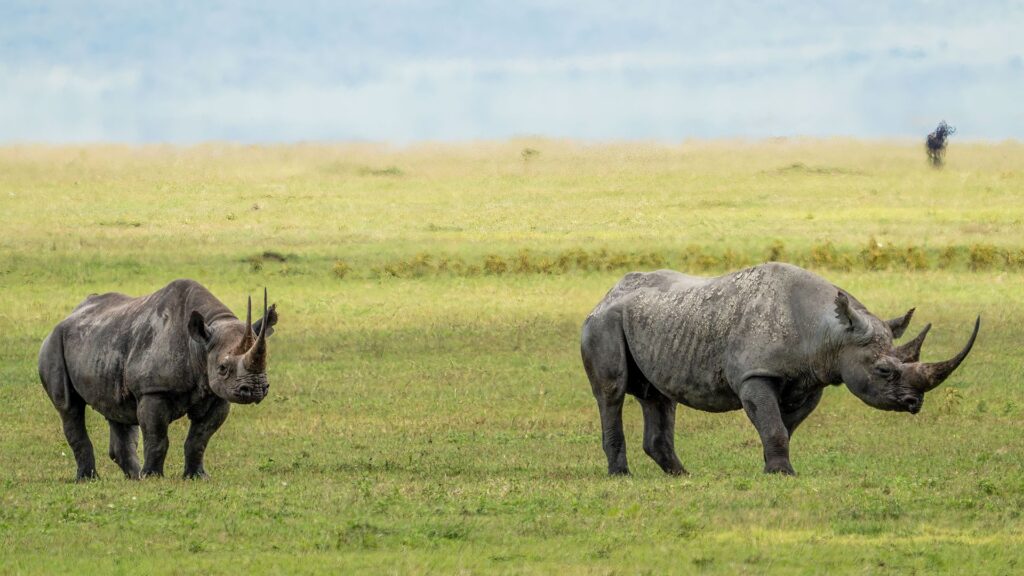
Black Rhinoceros
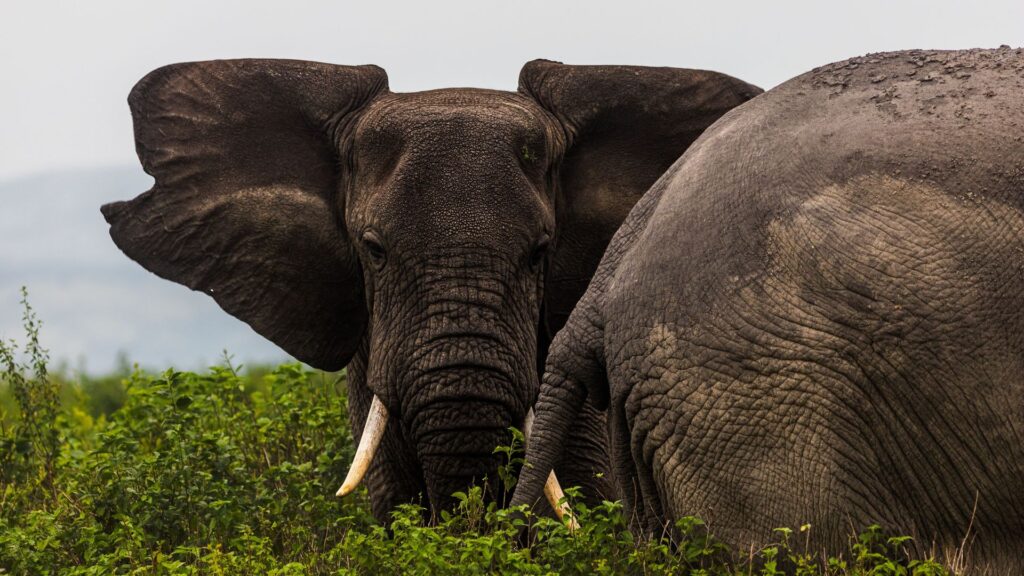
African Elephant
Spotted Hyena
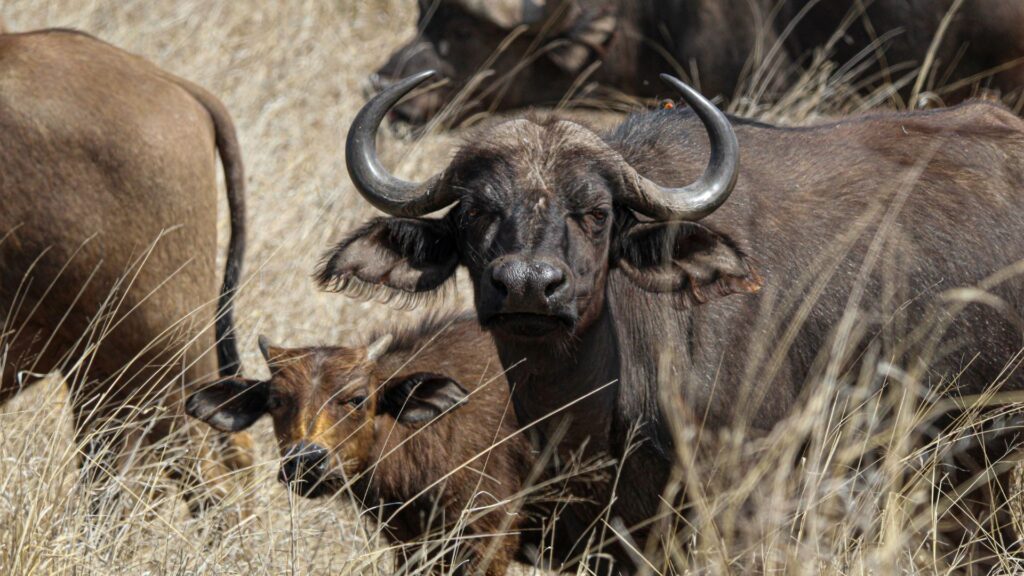
Cape Buffalo
Predator
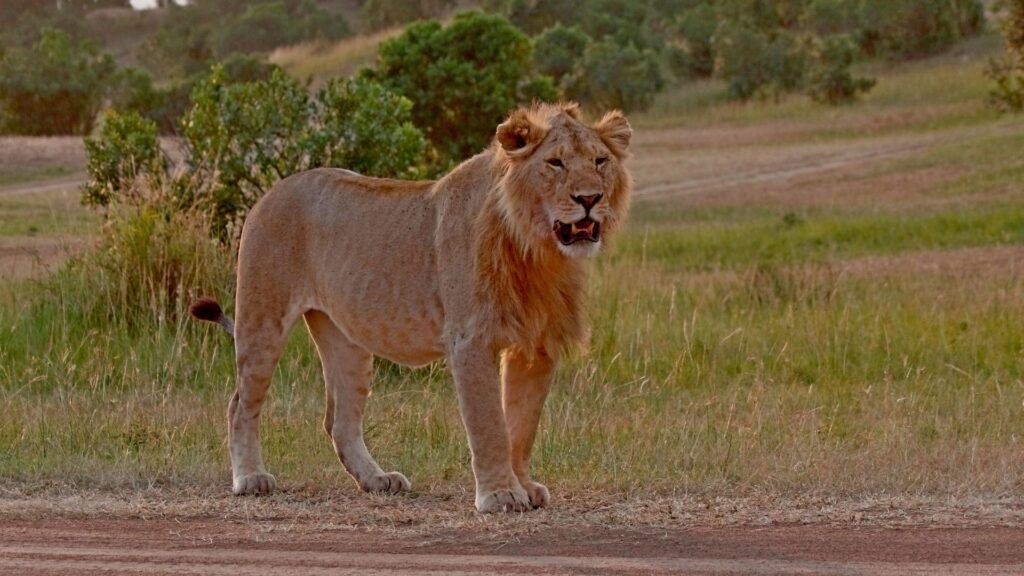
Lion
Panthera leo
Around 60–70 lions live within the crater’s walls — among the highest densities anywhere, though genetically isolated from outside populations.
Predator
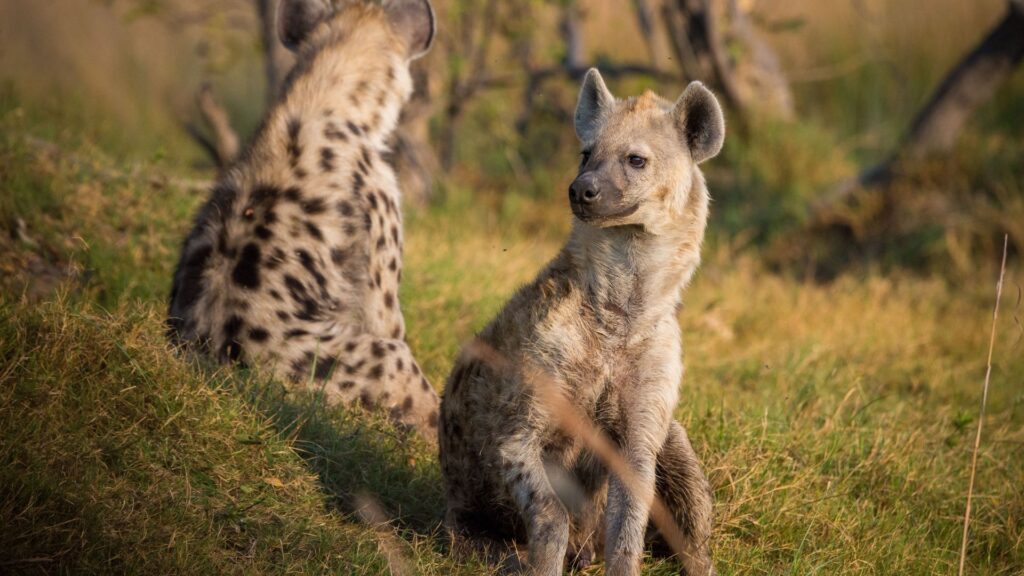
Spotted Hyena
Crocuta crocuta
The crater’s dominant predator by biomass, with large, highly organised clans that frequently displace lions from kills.
Predator
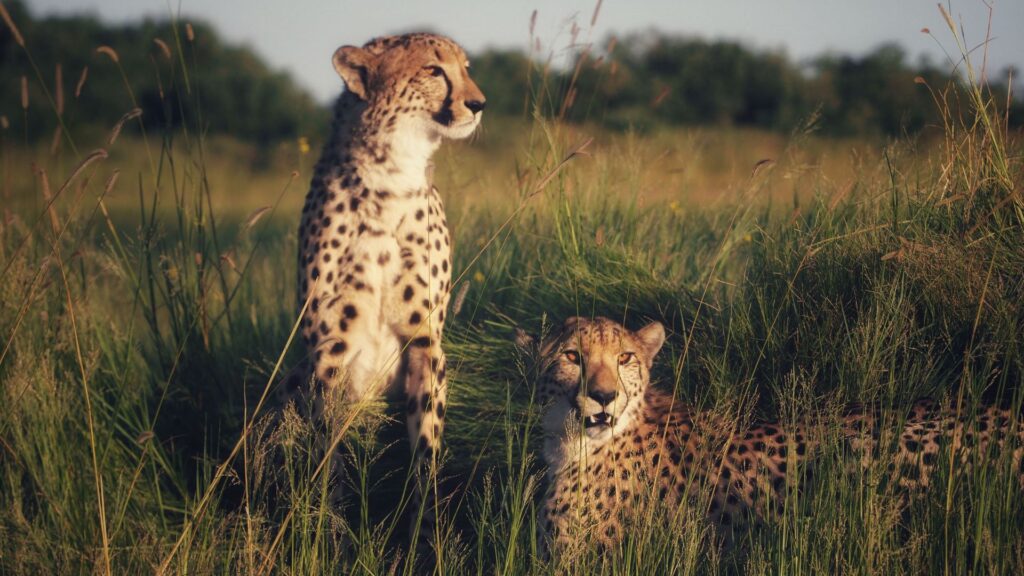
Cheetah
Acinonyx jubatus
Occasional sightings occur on the crater floor’s open grassland, though cheetah are less common here than on the plains above the rim.
Critically endangered
Black Rhinoceros
Diceros bicornis
The crater holds one of the last viable populations of the eastern black rhino, with roughly 30 closely monitored individuals.
Herbivore
African Bush Elephant
Loxodonta africana
Large solitary bulls are frequent visitors to the crater’s Lerai forest, though breeding herds rarely descend from the highlands.
Herbivore
Cape Buffalo
Syncerus caffer
Large resident herds graze the crater floor grasslands year-round, unlike the seasonal herds elsewhere in Tanzania.
Resident herbivore
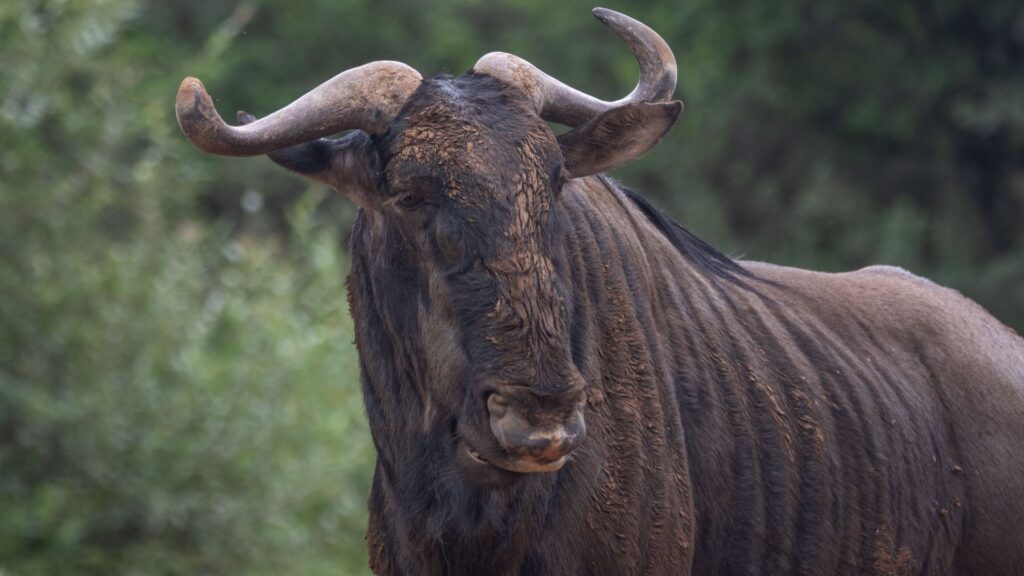
Blue Wildebeest
Connochaetes taurinus
A small, non-migratory population lives permanently on the crater floor, distinct from the Serengeti’s migratory herds.
Resident herbivore
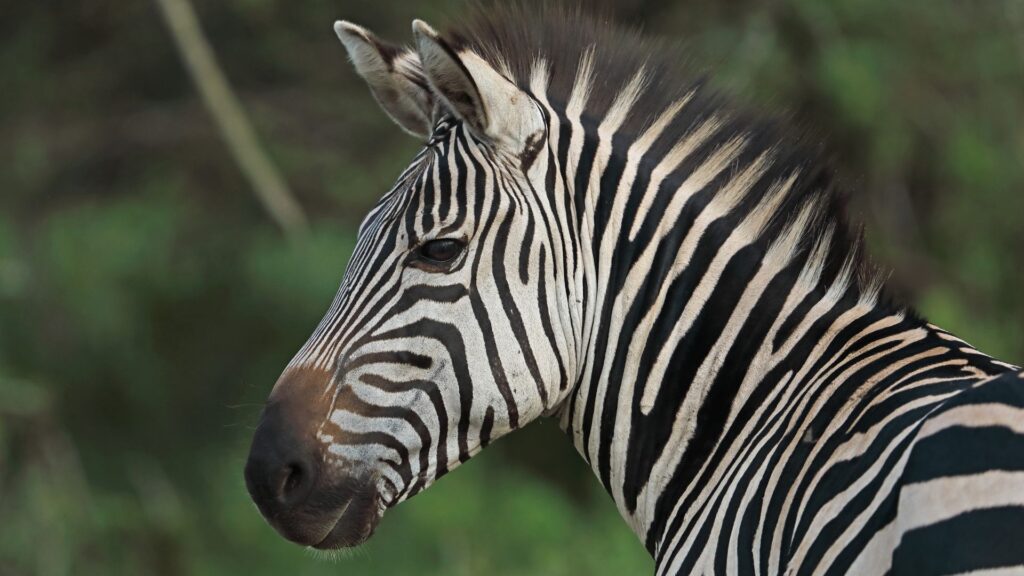
Plains Zebra
Equus quagga
Resident herds graze alongside wildebeest across the crater grasslands throughout the year.
Wetland birdlife
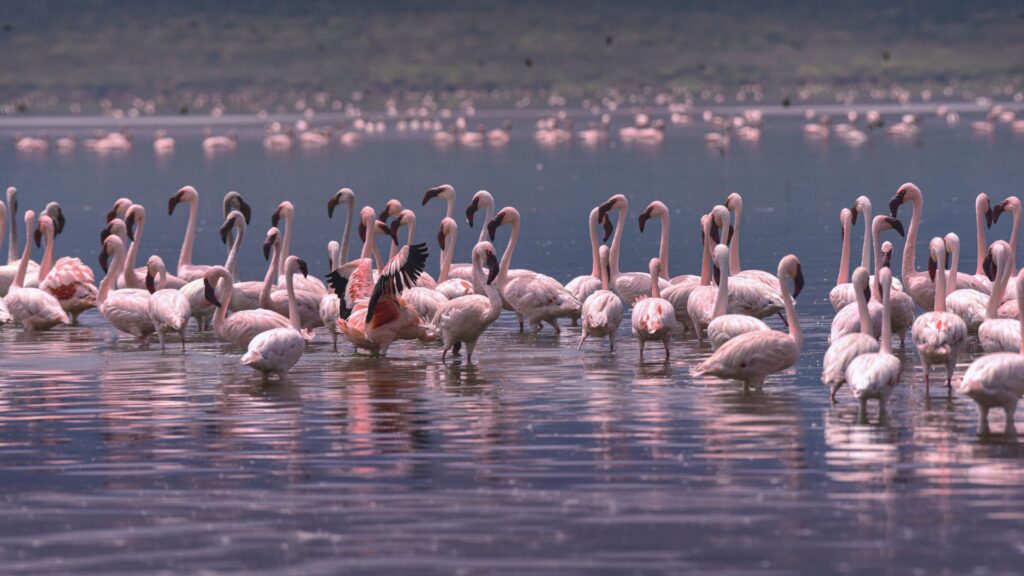
Flamingo
Phoeniconaias minor & Phoenicopterus roseus
Thousands of lesser and greater flamingos gather on the soda waters of Lake Magadi on the crater floor.
Rare sighting
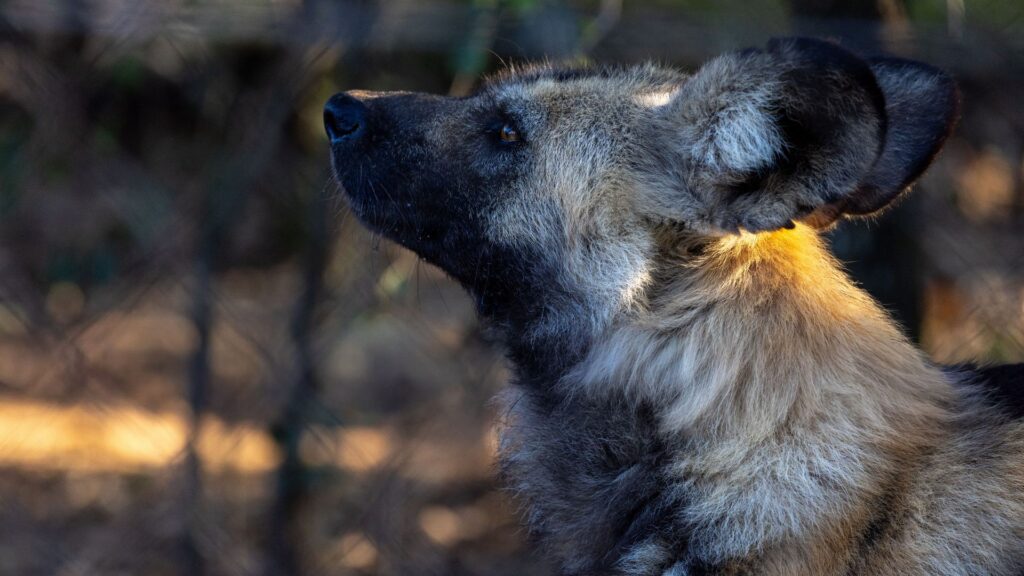
African Wild Dog
Lycaon pictus
Occasionally seen passing through, though the crater does not support a resident wild dog population.
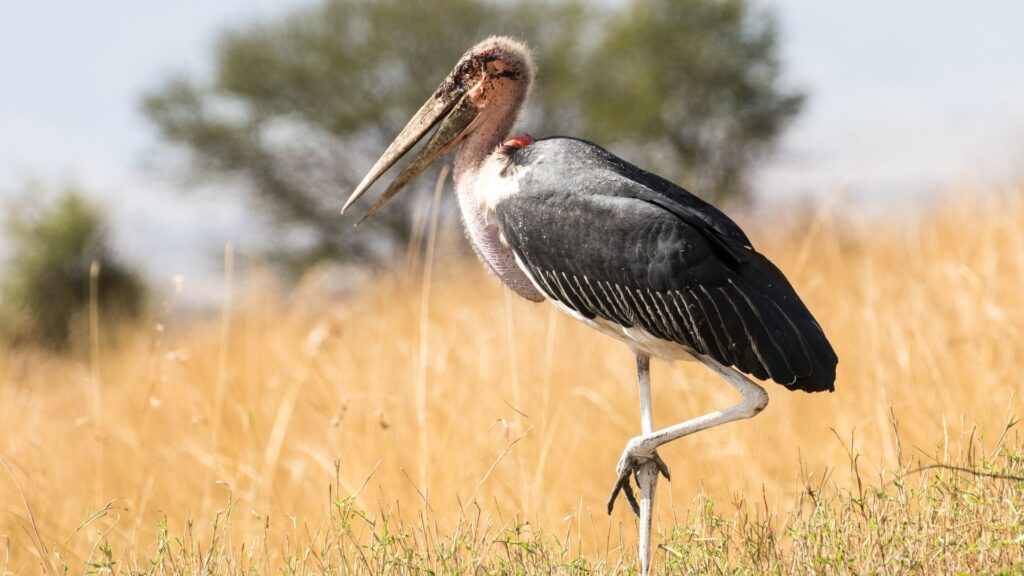
Birdlife
500+ Bird Species
—
The variety of habitats — grassland, forest, and soda lake — makes the crater one of Tanzania’s richest birding sites.
Ancient landscape
Lerai Forest
—
This fever-tree forest on the crater floor provides shade and browse for elephants and buffalo, and a striking contrast to the open grassland.
Four faces of Ngorongoro
The wider Conservation Area holds far more than the crater itself — pick a focus according to what you want to see.
01
The Crater Floor
The main draw — a single, unforgettable day of Big Five game viewing across grassland, forest, and soda lake, all within one collapsed volcanic caldera.
BEST FOR: BIG FIVE · DAY SAFARIS
02
Crater Highlands & Rim
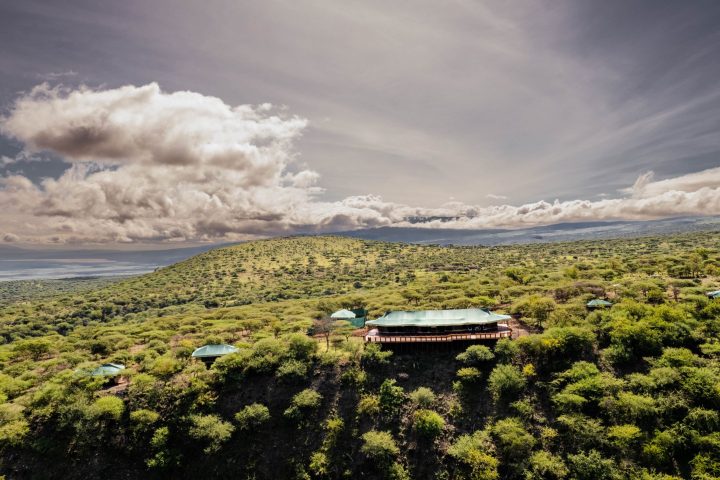
Lodges perched along the forested rim offer dramatic views down into the crater and a noticeably cooler climate than the floor below.
BEST FOR: SCENIC LODGES · VIEWPOINTS
03
Olduvai Gorge — the Cradle of Mankind
One of the world's most important paleoanthropological sites, where the Leakeys' discoveries reshaped understanding of early human evolution.
BEST FOR: HISTORY · ARCHAEOLOGY
04
Empakaai Crater & the Ndutu Plains
A quieter, flamingo-lined crater lake to the north, and the NCA's southern plains around Ndutu, which connect directly into the Serengeti's calving-season grounds.
BEST FOR: FEWER CROWDS · CONNECTING TO NDUTU
When to visit
Because its wildlife is resident year-round, Ngorongoro Crater is a genuine any-season destination — the main trade-off is crater-floor mud in the rains versus crowds in the dry season.
Season
Months
Conditions
Highlights
Dry season / peak
Jun - Oct
Dry, clear, and reliably sunny — the busiest months on the crater floor.
The most reliable predator sightings and easiest overall game viewing of the year.
Short dry spell
Jan - Feb
A brief dry window between the rains, warm and mostly clear.
Good visibility with noticeably fewer visitors than the peak season; overlaps with Ndutu calving season nearby.
Long rains / green season
Mar - May
Heaviest rainfall of the year; crater floor tracks can get muddy.
Lush scenery, excellent birding, and the lowest lodge rates.
Drying out
Jun (early)
Rains easing, grass still relatively long.
Visibility opens up as the dry season approaches.
Short rains
Nov - Dec
Brief afternoon showers, landscape greening up again.
Migratory birds arrive; fewer crowds than the dry-season peak.
Getting there & getting around
By air
Most visitors fly into Kilimanjaro International Airport (JRO) or Arusha Airport (ARK), then continue by road.
The nearest usable airstrip is at Manyara, roughly an hour’s drive from the crater rim; most itineraries reach Ngorongoro by road rather than air.
By road
Around a 3-hour drive from Arusha (roughly 180 km) via Karatu, on tarmac road for most of the route.
Almost always combined with the Serengeti as part of a northern-circuit safari, since the crater sits directly on the route between Arusha and the Serengeti plains.
Main entry gates
Loduare GateMain entrance, on the Karatu side approaching from Arusha
Naabi Hill GateShared boundary gate toward the Serengeti, on the western route out
Inside the crater
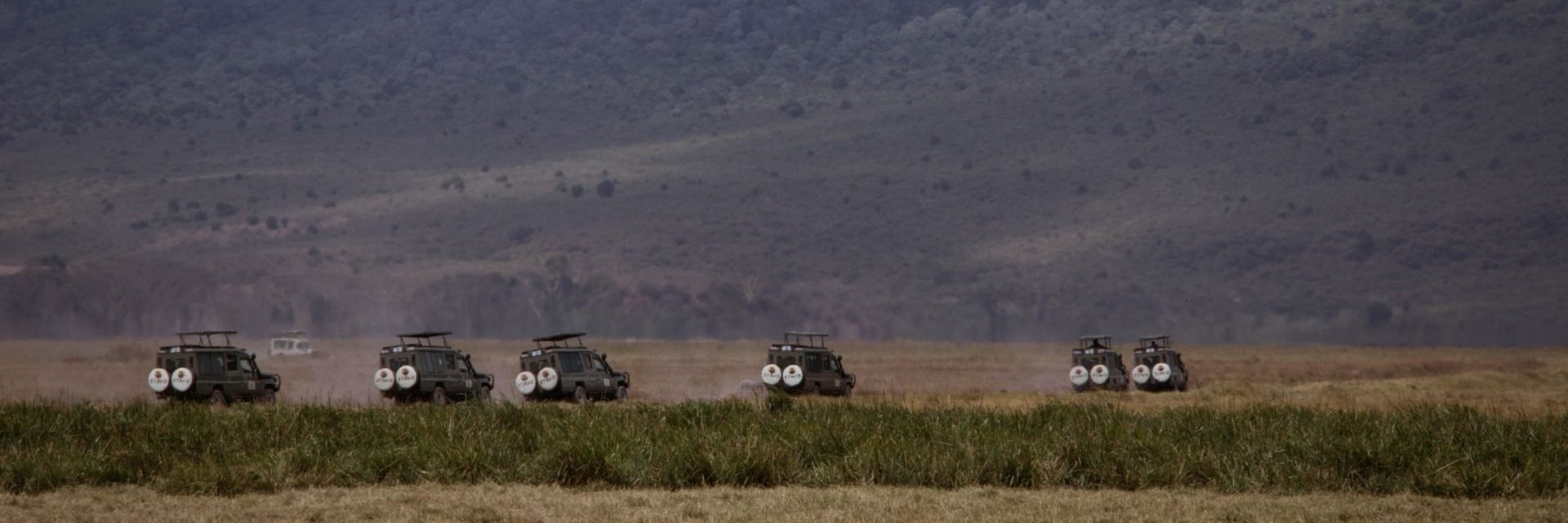
Vehicles are limited to a maximum of 6 hours on the crater floor and must exit by 6pm; there is no overnight stay or camping inside the crater itself.
Off-road driving is prohibited; vehicles must stick to marked tracks.
4×4 vehicles are required for the steep descent and ascent roads.
NCA conservation fees for adults have generally sat in the roughly US $70–80 per person, per 24 hours range in recent years, with children discounted and under-5s free.
A separate crater service fee (commonly around US $200 per vehicle, for up to 6 passengers) applies on top of the general NCA fee for descending onto the crater floor.
An 18% VAT typically applies on top of quoted rates, and fees are reviewed periodically — always confirm current pricing with the Ngorongoro Conservation Area Authority or your operator.
Most package safaris fold these fees into the overall price.
Park etiquette & rules
Stay inside your vehicle at all times except at designated picnic or rest areas on the crater rim.
Keep a respectful distance from wildlife, particularly the closely monitored black rhino population.
Never feed or attempt to attract animals; keep noise to a minimum.
Respect Maasai communities living within the Conservation Area — photography of people or homesteads requires permission.
Stavo Adventures itineraries in the Ngorongoro Crater
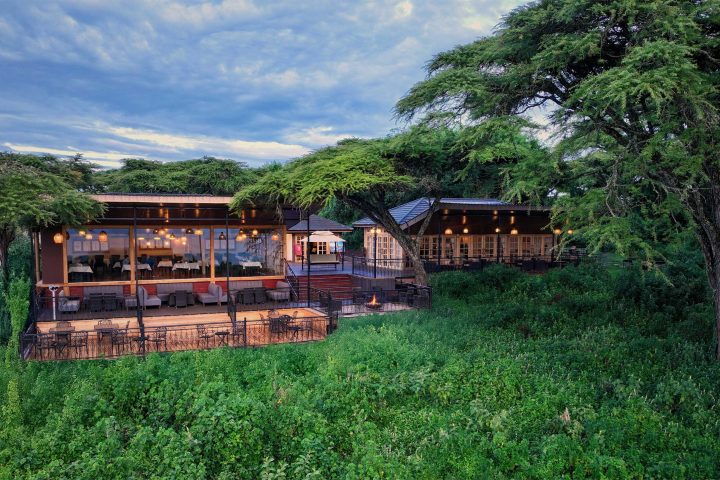
Options range from simple tented camps to some of the most dramatically sited luxury lodges in Africa, most perched along the crater rim overlooking the caldera below.
Select
Embalakai Ngorongoro Camp
Embalakai Ngorongoro Camp offers comfortable tented accommodation near the crater rim, with easy early-morning access to the descent road and warm, attentive service.
Reserve
Lions Paw Tented Camp
Lion’s Paw Tented Camp combines elevated rim views with spacious, well-appointed tents, positioned for an easy pre-dawn descent onto the crater floor.
Private Collection
Ngorongoro Crater Lodge
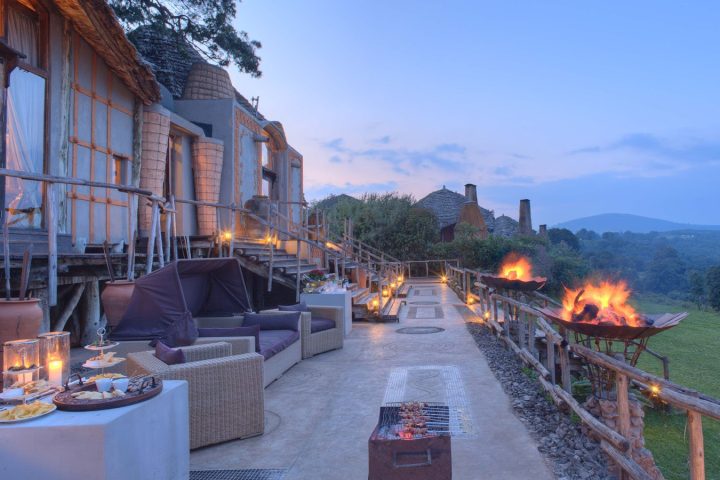
&Beyond Ngorongoro Crater Lodge is one of Africa’s most celebrated properties, perched directly on the crater rim with theatrical interiors, panoramic caldera views, and a prime position for first light on the floor below.
Before you go
A few practical notes to help you prepare for a Ngorongoro Crater safari, from what to pack to what to expect on the ground.
What to pack
Warm layers are essential — the crater rim sits at around 2,300m and mornings can be genuinely cold, even though the crater floor warms up quickly.
Neutral-toned clothing (khaki, olive, beige) for game drives.
A wide-brimmed hat, sunglasses, and high-SPF sunscreen for the equatorial sun once the day warms up.
Binoculars — useful for spotting the crater’s black rhino and distant wildlife across open grassland.
A rain jacket if travelling during the long rains (March–May), when crater-floor tracks can be muddy.
Health & documents
A yellow fever vaccination certificate is required for travellers arriving from, or having transited, certain countries — check current Tanzanian entry requirements before you fly.
Malaria is present in the region; consult a doctor about prophylaxis well before departure.
A valid passport (with the validity/blank-page margin your airline requires) and Tanzanian visa, arranged in advance or on arrival depending on nationality.
Travel insurance that explicitly covers safari activities and medical evacuation is strongly recommended.
Money & connectivity
US dollars (cash, newer notes) and international cards are both commonly used for fees and lodges — confirm accepted methods with your operator ahead of time.
Mobile signal is patchy on the crater rim and largely absent on the crater floor.
Tipping guides and camp staff is customary; ask your operator for typical local guidance.
Getting the most from a visit
Descend as early as possible — the crater floor is quietest and wildlife most active in the first hour or two after gates open.
Remember the 6-hour limit on the crater floor when planning your day; build in time for the steep ascent back to the rim.
Combine with Serengeti and Olduvai Gorge for a fuller northern-circuit itinerary.
A rim-side lodge lets you watch sunrise over the caldera before your descent — one of the signature views in East Africa.

 Dutch
Dutch Spanish
 French
 Russian
 Chinese