Park area (1,100 sq mi)
National park established
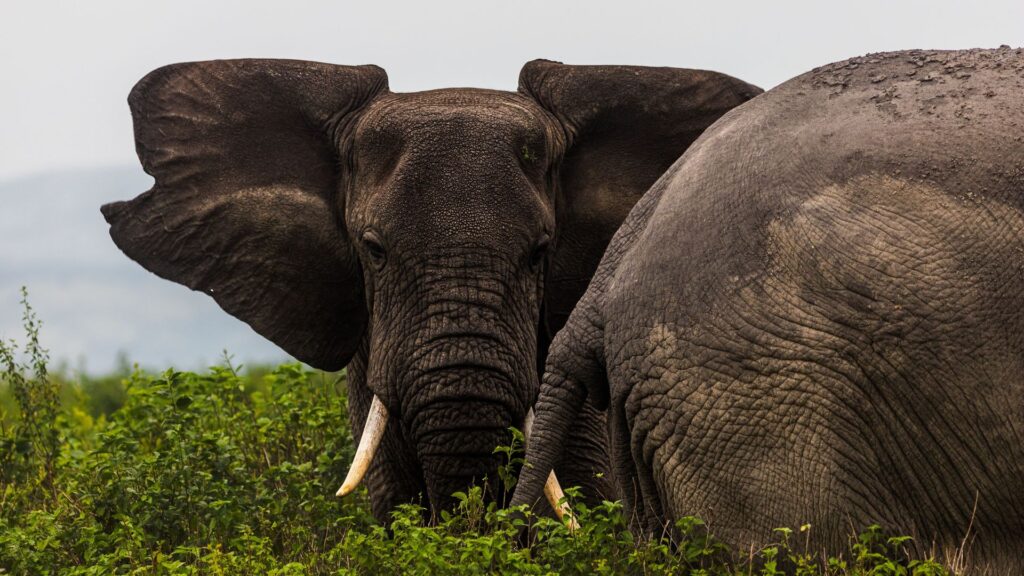
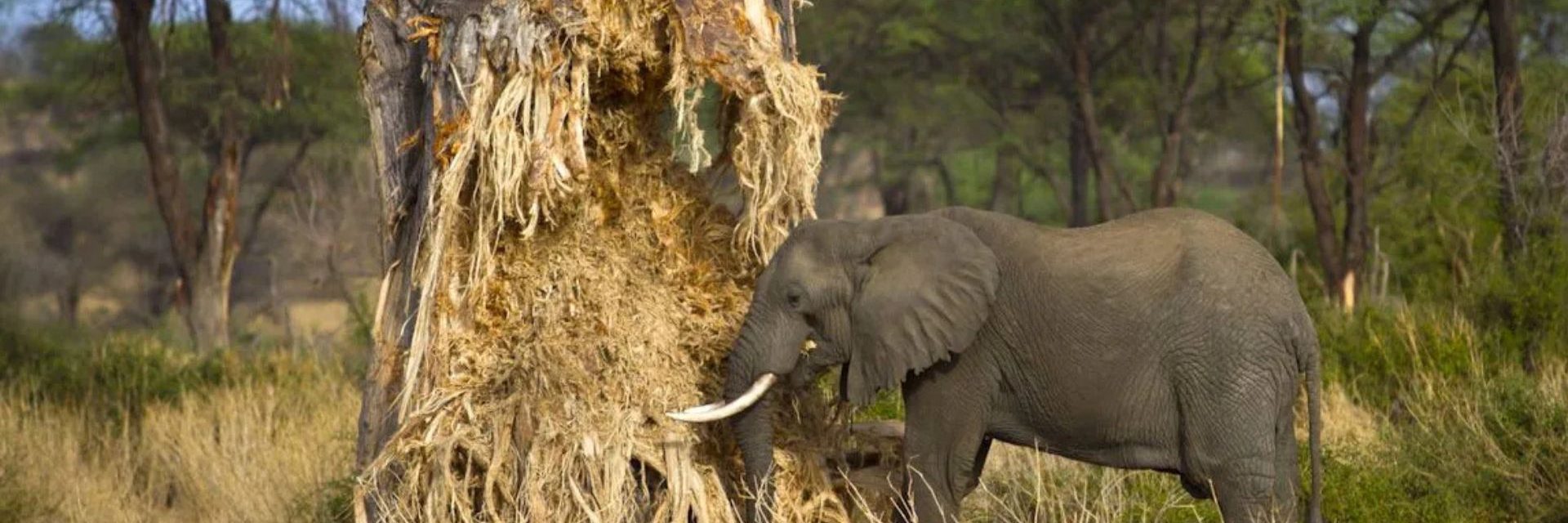
Elephants — highest density
Tarangire National Park lies in Tanzania’s Manyara Region, roughly 118 km (about a 2-hour drive) southwest of Arusha, forming the core of a much wider ecosystem that stretches south toward Lake Burunge and the Simanjiro Plains. The park takes its name from the Tarangire River, which runs through it and remains one of the only permanent water sources in the region once the rains stop.
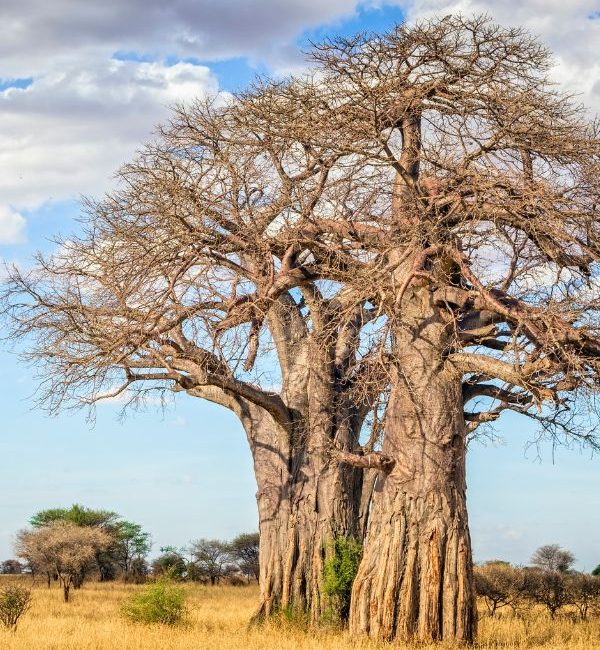
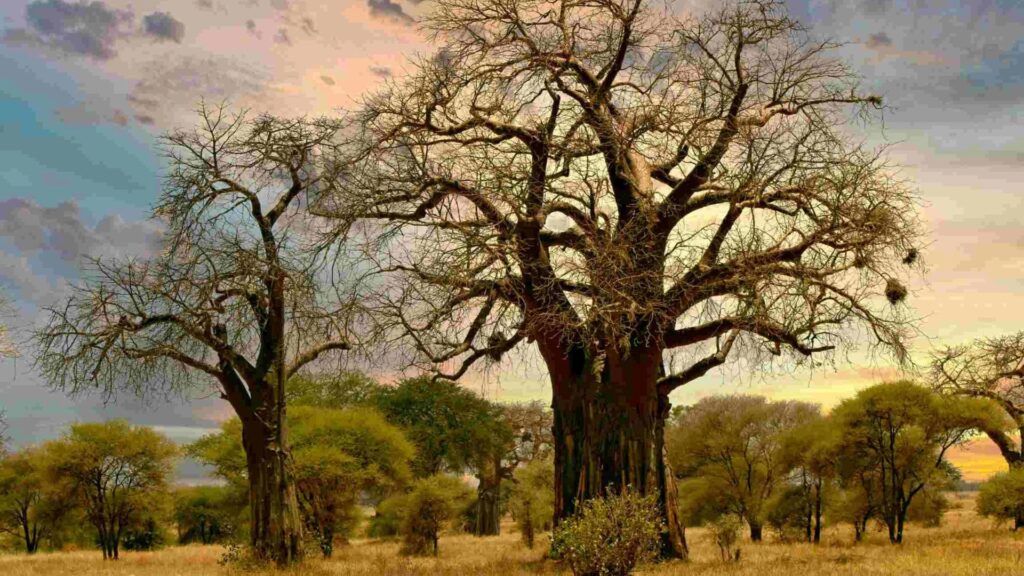
Gazetted in 1970, the park is best known for two things: its ancient, swollen-trunked baobab trees, some many centuries old, and its elephants — during the dry season (roughly June to October), herds numbering in the thousands migrate in from a huge surrounding area to drink and graze along the riverbanks, producing some of the highest elephant densities anywhere in East Africa.
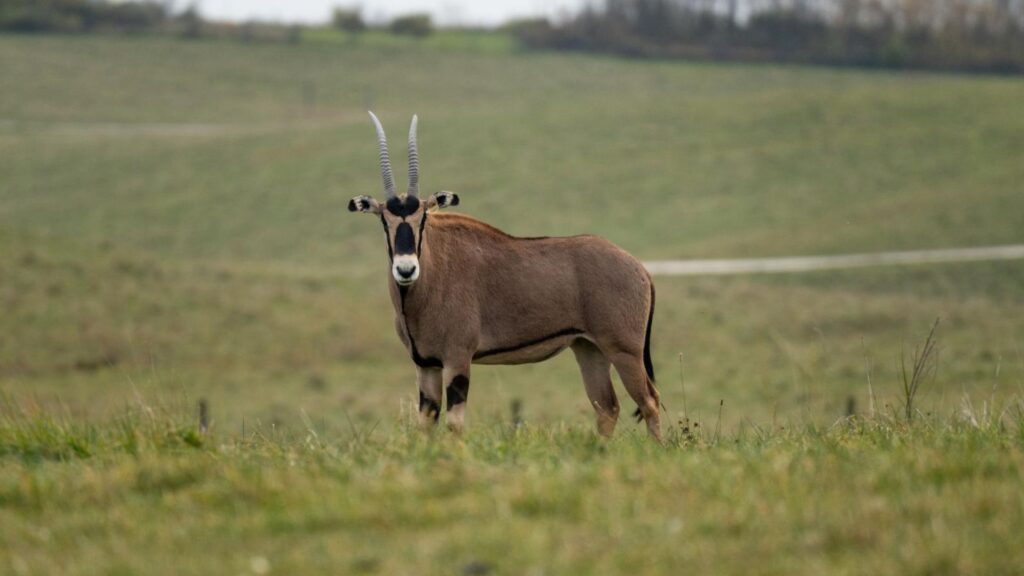
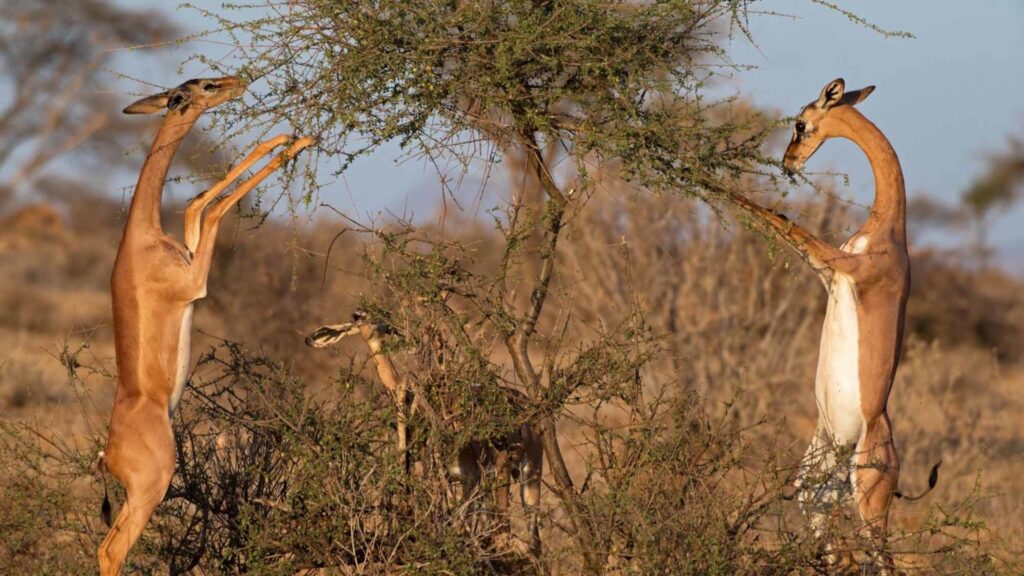
The terrain is a mix of acacia woodland, seasonal swamps, and open grassland studded with baobabs, rising gently from the river valley to low hills in the south. Beyond elephants, Tarangire is one of the few parks on the northern circuit where dry-country specialists like fringe-eared oryx and gerenuk are regularly seen.
Tap a season on the loop to track how Tarangire's wildlife moves between the wider ecosystem and the river.
With seasonal pans and rivers full across the Simanjiro Plains and surrounding areas, elephants and other wildlife spread out far beyond the park boundaries. Game viewing is quieter, but the landscape is lush and green.
Good to know: elephant numbers along the river build gradually through the dry season and are most reliable from August through October, though family groups can be seen near the river year-round.
The park's permanent water source and its most reliable game-viewing area year-round, with the highest concentrations of elephant, buffalo, and predators during the dry season.
The classic Tarangire scenery — open acacia woodland studded with centuries-old baobab trees, popular for scenic game drives and photography.
Far fewer visitors reach the park's southern reaches, where dry-country wildlife and a genuine wilderness feel reward those who make the trip.
Community and conservation lands bordering the park that form part of the wider Tarangire ecosystem — essential dry-season dispersal areas without which the park's elephant gatherings couldn't happen.
| Season | Months | Conditions | Highlights |
|---|---|---|---|
| Dry season / peak | Aug - Oct | Dry, dusty, reliably sunny — the classic safari season and the busiest. | Peak elephant concentration along the river — the park's signature spectacle. |
| Building season | Jun - Jul | Rains easing, landscape still green; water sources beginning to dry. | Herds start moving back toward the river; numbers building. |
| Short rains | Nov - Dec | Brief, often light afternoon showers. | Migratory birds arrive; herds begin dispersing again; fewer crowds. |
| Transition | Jan - Feb | Warm, drier interlude between the rains. | Good general game viewing before the long rains and before peak crowds. |
| Long rains / green season | Mar - May | Heaviest rainfall of the year; lush, quiet, and often much cheaper. | Excellent birding, dramatic skies, lowest lodge rates. |