
 Dutch
Dutch Spanish
 French
 Russian
 Chinese
Elevation above sea level
Peak calving season window
Wildebeest calves born each season
Ndutu lies on the southeastern edge of the Serengeti ecosystem, around the shores of Lake Ndutu and Lake Masek. Although it feels like part of the Serengeti, the area actually falls within the Ngorongoro Conservation Area rather than Serengeti National Park itself — a distinction that matters, since it means night game drives and walking safaris are both permitted here, unlike inside the national park proper.
Ndutu’s short-grass plains sit on nutrient-rich volcanic ash soil from the Ngorongoro highlands, producing exactly the kind of nutritious grass wildebeest need for calving. Each year, roughly 500,000 calves are born here within a few concentrated weeks between December and March — one of the most spectacular wildlife events on the planet, and a magnet for predators of every kind.
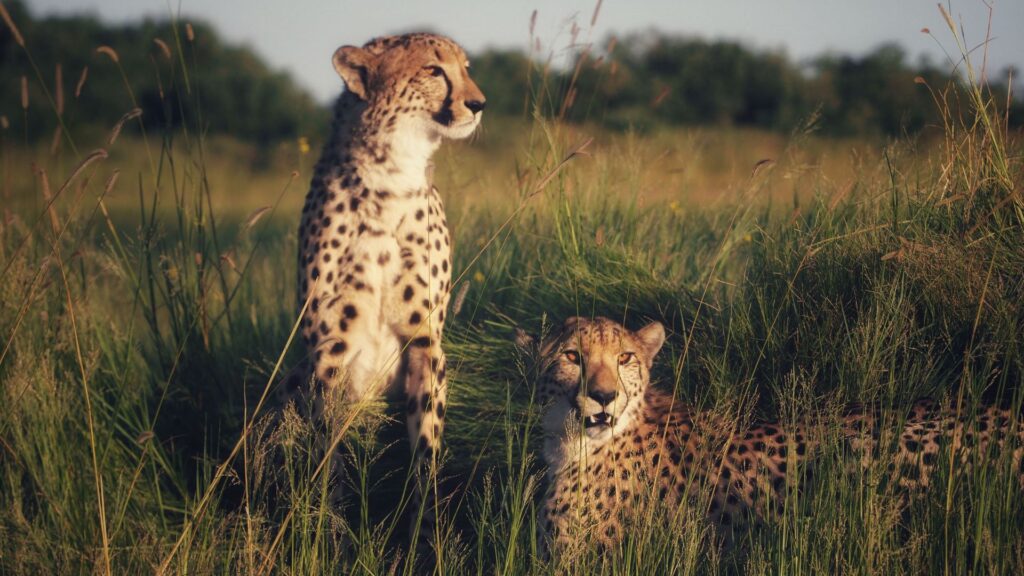
Beyond the calving season, Ndutu holds resident lion prides and some of the best year-round cheetah viewing in the entire ecosystem, thanks to the open plains these speed-hunting cats favour.
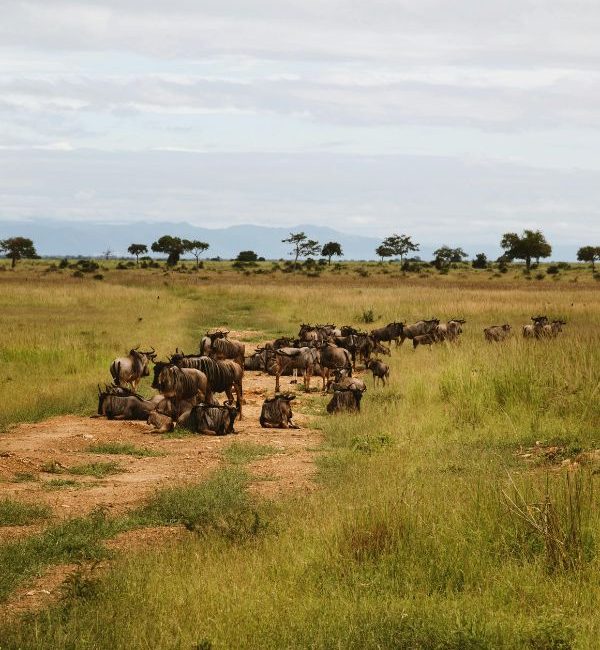
Tap a season on the loop to track the herds through Ndutu's part of the annual migration.
Short rains draw the migratory herds back down onto the Ndutu plains, ahead of the calving season to come.
Good to know: because Ndutu falls within the Ngorongoro Conservation Area rather than Serengeti National Park itself, it’s one of the few places in the ecosystem where night game drives and walking safaris are both permitted.
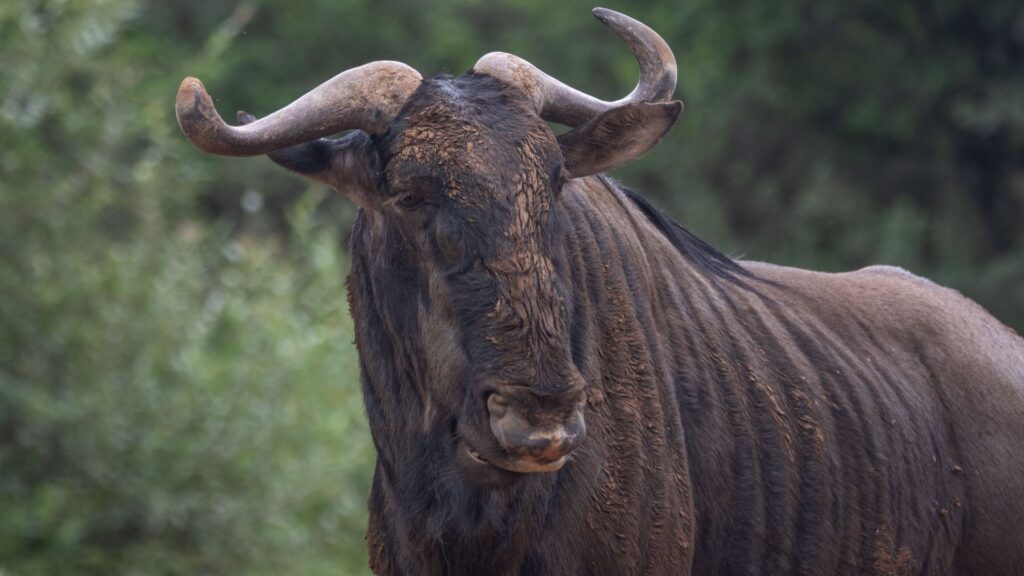
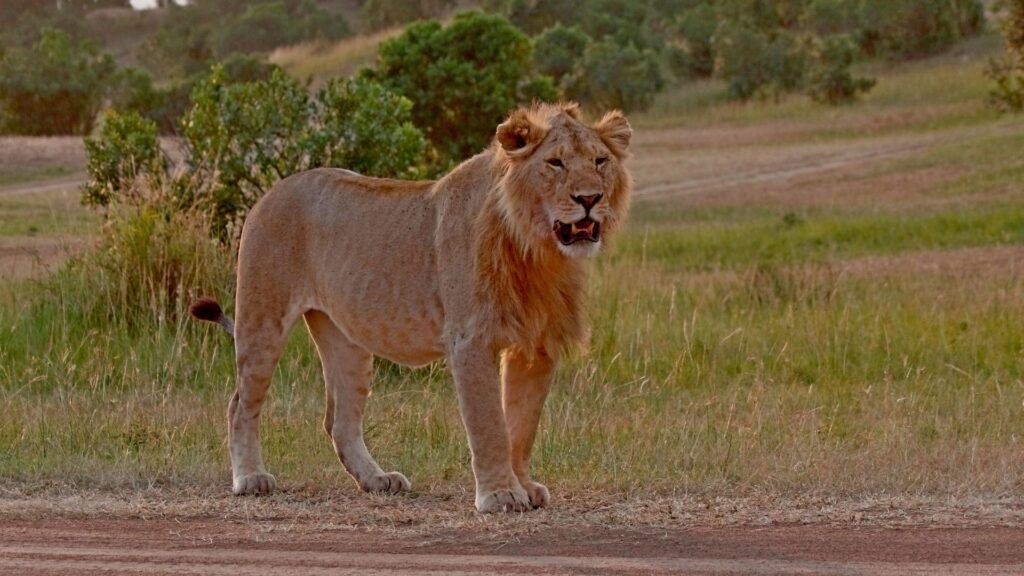
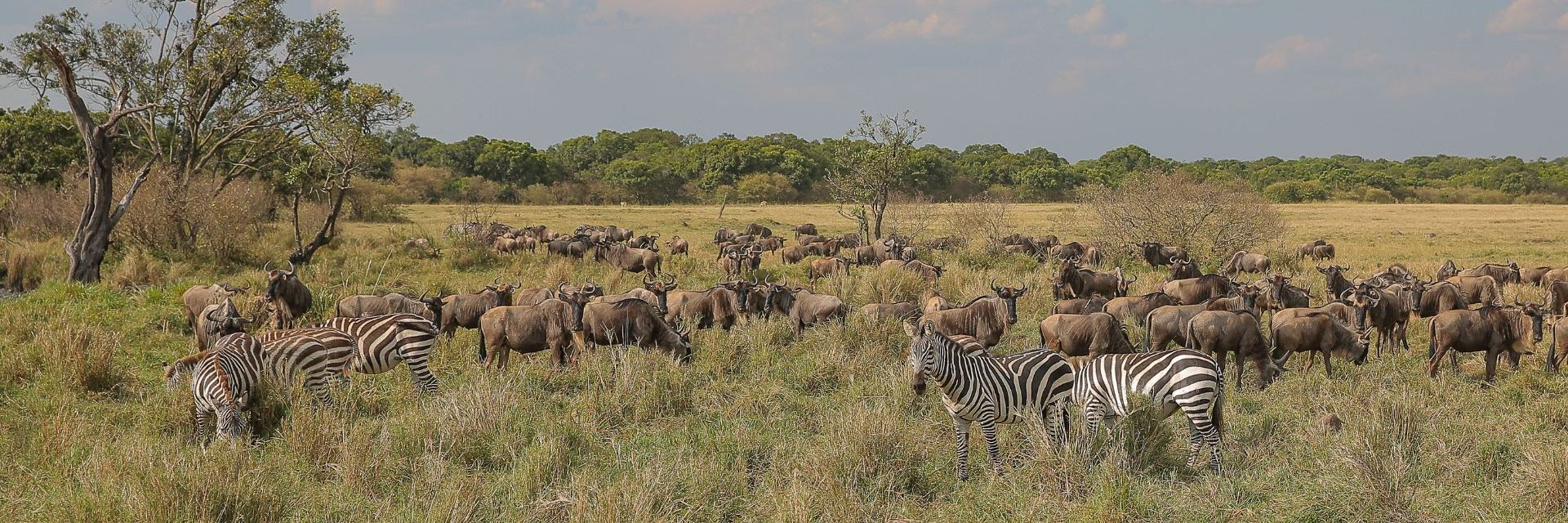
The core calving grounds, where nutrient-rich volcanic soils and open terrain make for the migration's most concentrated wildlife spectacle.
A freshwater lake close by, home to several of Ndutu's best-known safari camps and a good base for exploring the wider area.
A transition zone of acacia woodland bordering the open plains, offering good leopard habitat and a change of scenery from the grasslands.
Dramatic granite outcrops rising from the plains toward the Serengeti boundary — a quieter, less-visited corner of the ecosystem.
| Season | Months | Conditions | Highlights |
|---|---|---|---|
| Calving season peak | Jan - Feb | Warm and mostly dry, with short-grass plains at their greenest. | Peak calving activity and the most intense predator action of the year — book well ahead. |
| Herds arrive | Nov - Dec | Short rains bring the migratory herds back onto the plains. | Building excitement ahead of the calving peak; slightly fewer crowds than peak season. |
| Dispersal | Mar | Plains beginning to dry as the season transitions. | Calves growing stronger; herds starting to loosen into moving columns. |
| Herds move north | Apr - May | Long rains; the bulk of the migration moves on toward central Serengeti. | Quieter, lush scenery with lower lodge rates as wildebeest numbers thin out. |
| Quiet resident season | Jun - Oct | Dry and clear, with the migratory herds largely absent. | Excellent resident lion and cheetah viewing, with noticeably fewer visitors. |


