Serengeti National Park

the complete field guide to the endless plains
Experience the Serengeti: an iconic landscape of endless golden plains, the Great Migration, and legendary big cat hunts.

14,763 km²

Park area (5,700 sq mi)

1951

National park established

1.5M+

Wildebeest on migration

The place where the land runs forever

Serengeti National Park sits in northern Tanzania, stretching from the Ngorongoro Highlands in the southeast to Lake Victoria in the west and the Kenyan border in the north. Its name is widely traced to the Maasai word siringet, “the place where the land runs on forever” — a fair description of its near-treeless southern plains, which run to the horizon in every direction.

Gazetted in 1951 and inscribed as a UNESCO World Heritage Site in 1981, the park protects the core of the wider Serengeti ecosystem, an intact web of national park, game reserves and conservation areas covering roughly 25,000–30,000 km² across Tanzania and Kenya. Unlike many reserves, it has no internal fences, which is precisely what allows its defining event — the Great Migration — to happen at all.

Altitudes range from about 920 to 1,850 metres, and the landscape shifts dramatically across the park: treeless volcanic grassland in the south, riverine forest and woodland along the Grumeti and Mbalageti rivers in the west, and open Commiphora woodland and granite kopjes in the north, near the Mara River.
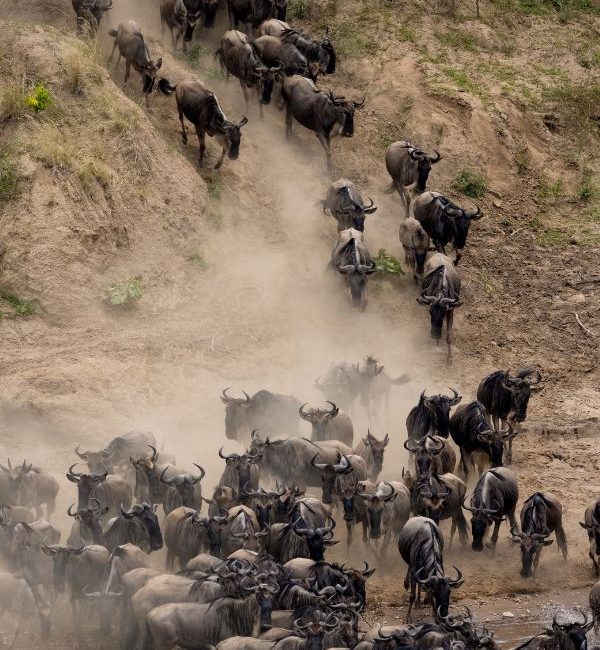
Wildebeest Migration

The Great Migration Cycle

Tap a season on the loop to track the continuous journey of over 1.5 million wildebeest across the Serengeti ecosystem.

December – March

Calving season — Southern Plains & Ndutu

The herds gather on the short-grass plains around Ndutu and Naabi Hill. Some 500,000 calves are born in a few concentrated weeks, drawing dense predator activity.

Good to know: the migration follows rainfall, not the calendar — exact timing shifts year to year. Treat these windows as reliable ranges, and ask your operator or lodge for the herds’ current position before finalising an itinerary.
Who you'll meet on the plains

The Serengeti holds Africa’s largest lion population and some of its highest predator densities, alongside the migratory herds that make the whole ecosystem run.

Lion

Leopard

African Elephant

Cape Buffalo

Black Rhinoceros

Predator
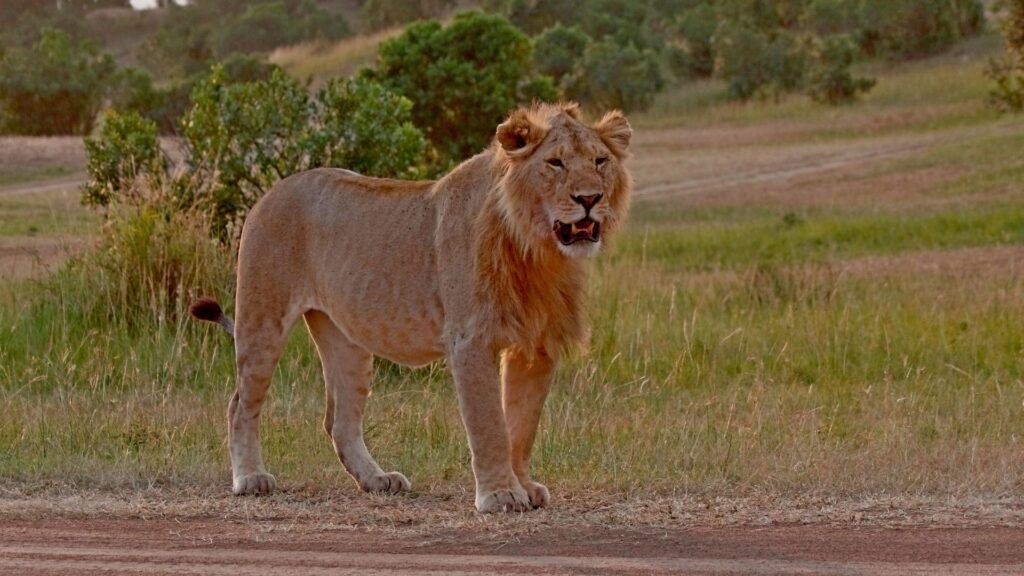
Lion
Panthera leo
An estimated 3,000+ roam the ecosystem — the largest population in Africa. Prides are easiest to find near kopjes and along the Seronera Valley.
Predator
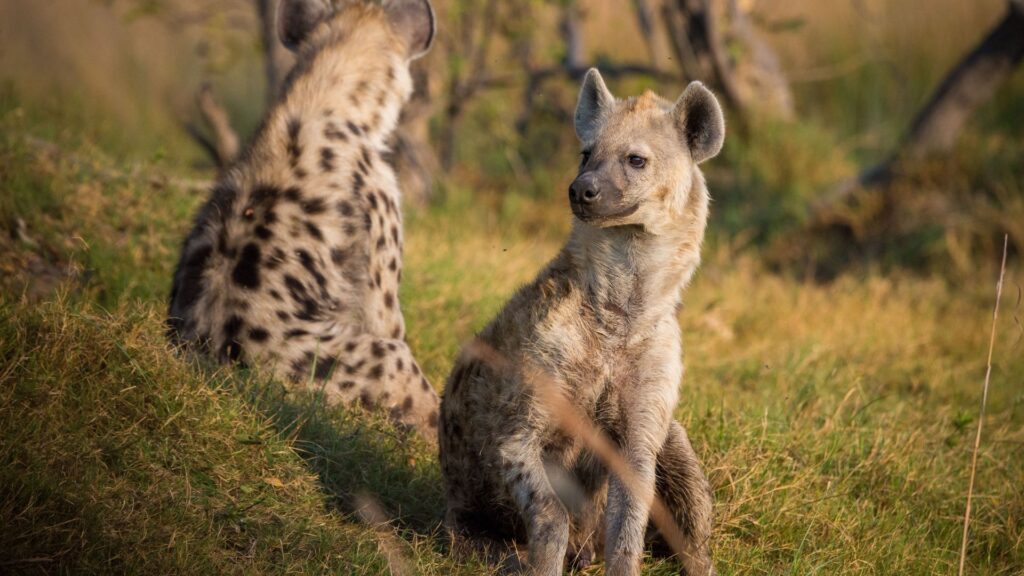
Spotted Hyena
Crocuta crocuta
Highly social clans of 7,000–8,700 individuals live here, as much skilled hunters as scavengers.
Predator
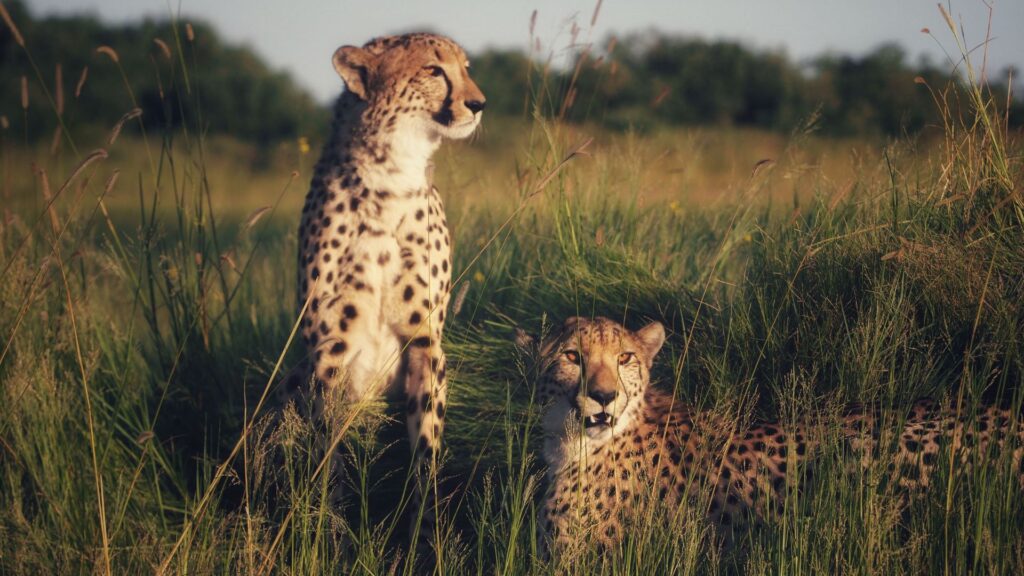
Cheetah
Acinonyx jubatus
The open southern plains are ideal cheetah habitat — watch for them scanning from termite mounds at dawn.
Predator
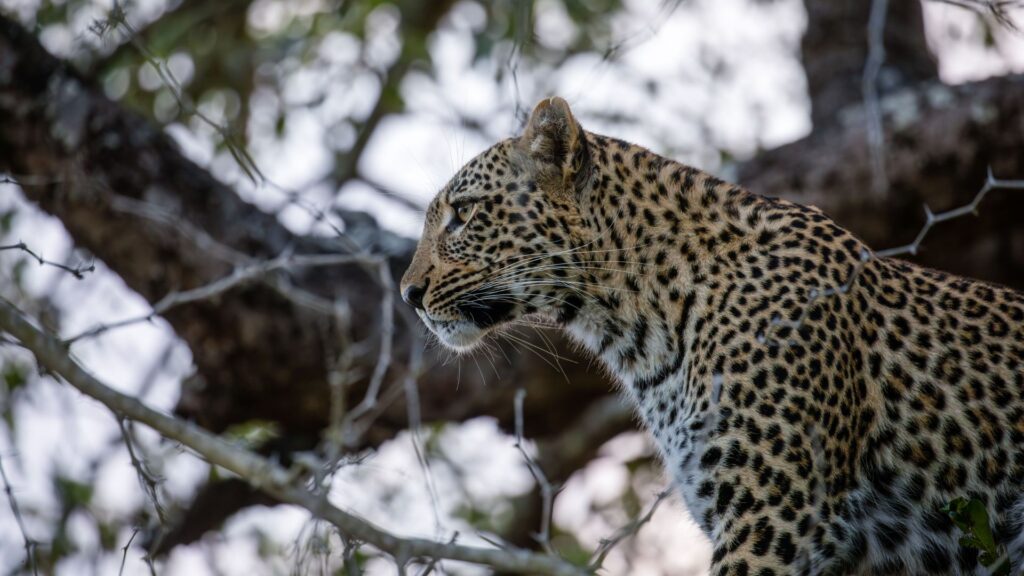
Leopard
Panthera pardus
Solitary and elusive, leopards favour riverine forest and rocky kopjes; the Seronera area is a reliable spot.
Migratory herbivore
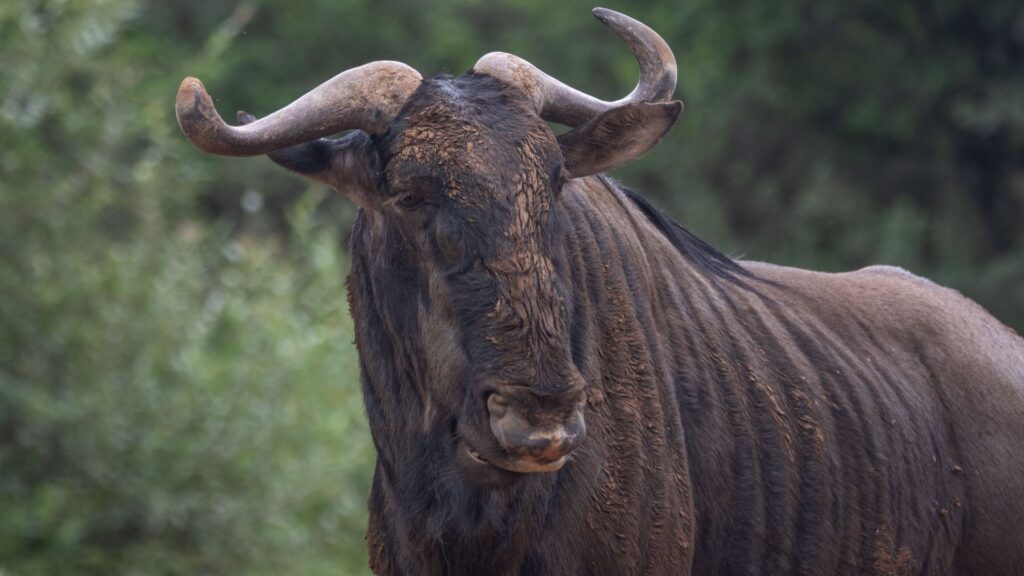
Blue Wildebeest
Connochaetes taurinus
Over 1.5 million strong, the wildebeest is the engine of the Great Migration and the primary prey base for the park’s predators.
Migratory herbivore
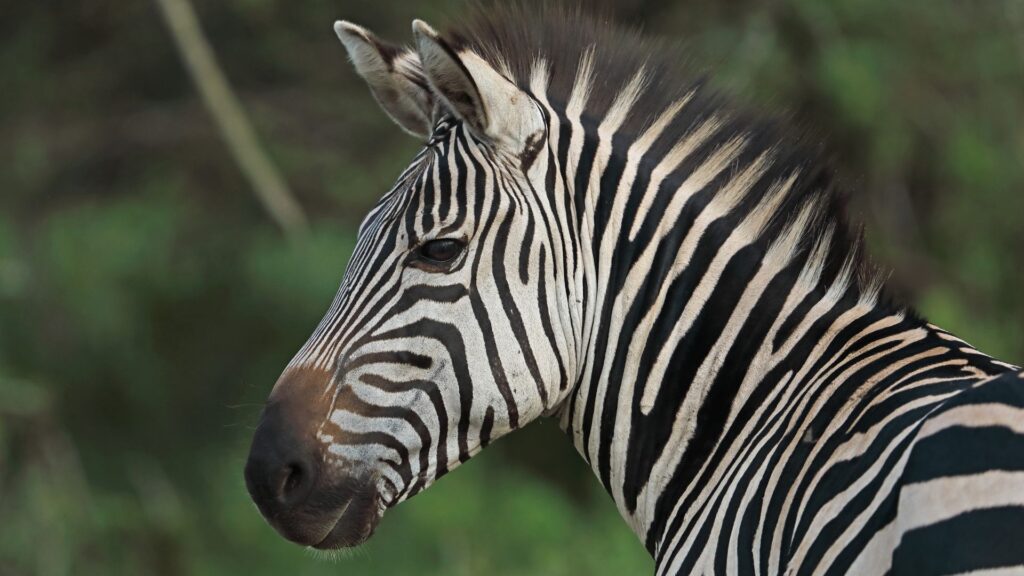
Plains Zebra
Equus quagga
Around 250,000 zebra migrate alongside the wildebeest, often leading the herds to fresh grazing.
Herbivore
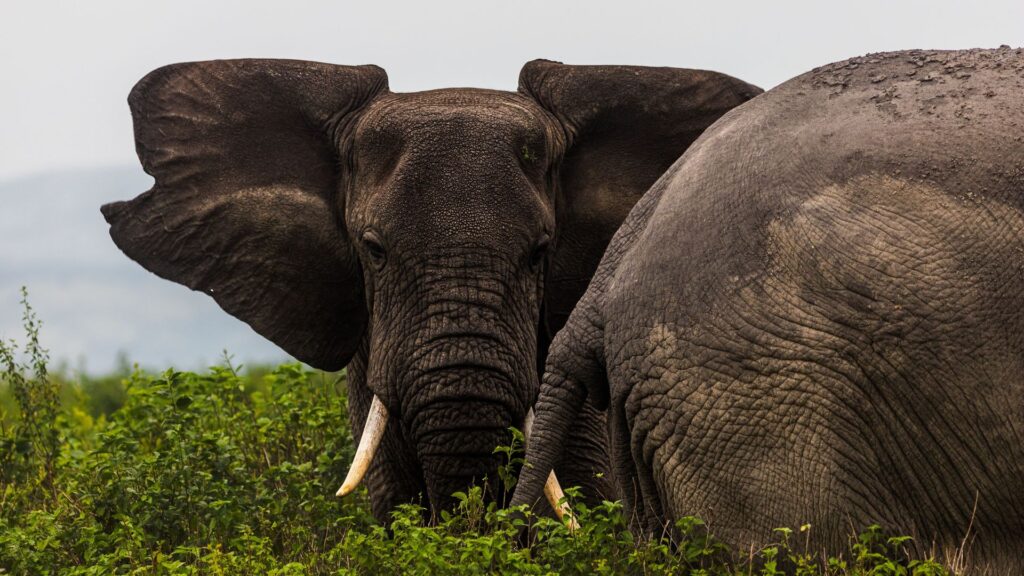
African Bush Elephant
Loxodonta africana
Herds recovered from 1980s poaching lows to number over 5,000, seen throughout the park’s woodlands.
Migratory herbivore
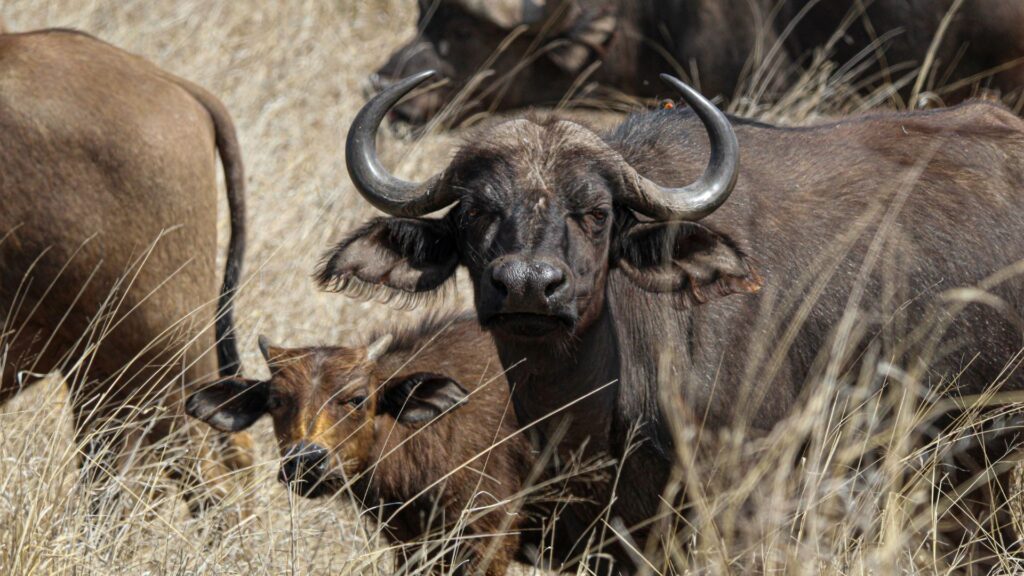
Cape Buffalo
Syncerus caffer
Over 1.5 million strong, the wildebeest is the engine of the Great Migration and the primary prey base for the park’s predators.
Migratory herbivore
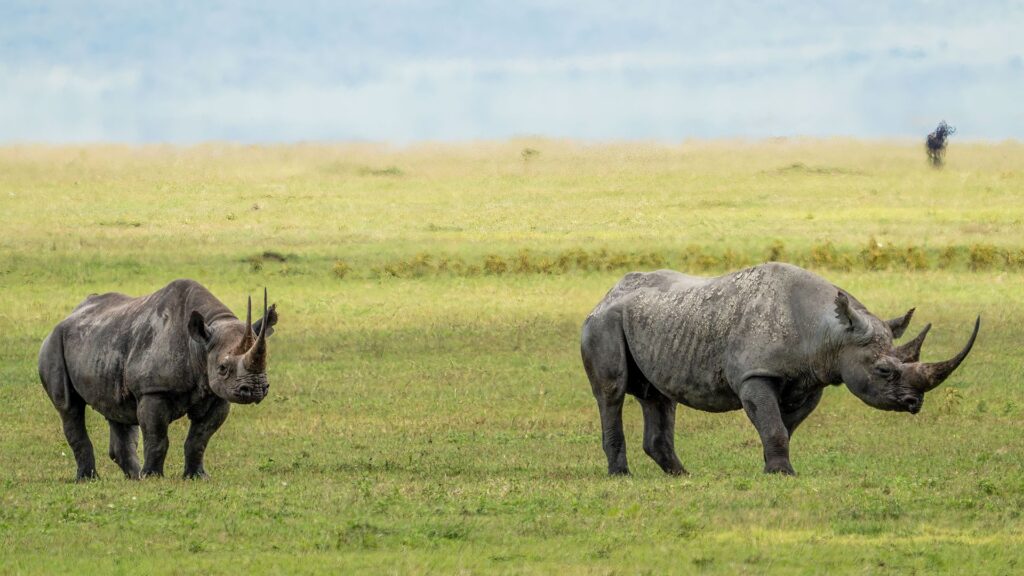
Black Rhinoceros
Diceros bicornis
Critically endangered and now scarce; a small, closely protected population survives in the Moru Kopjes area.
River wildlife
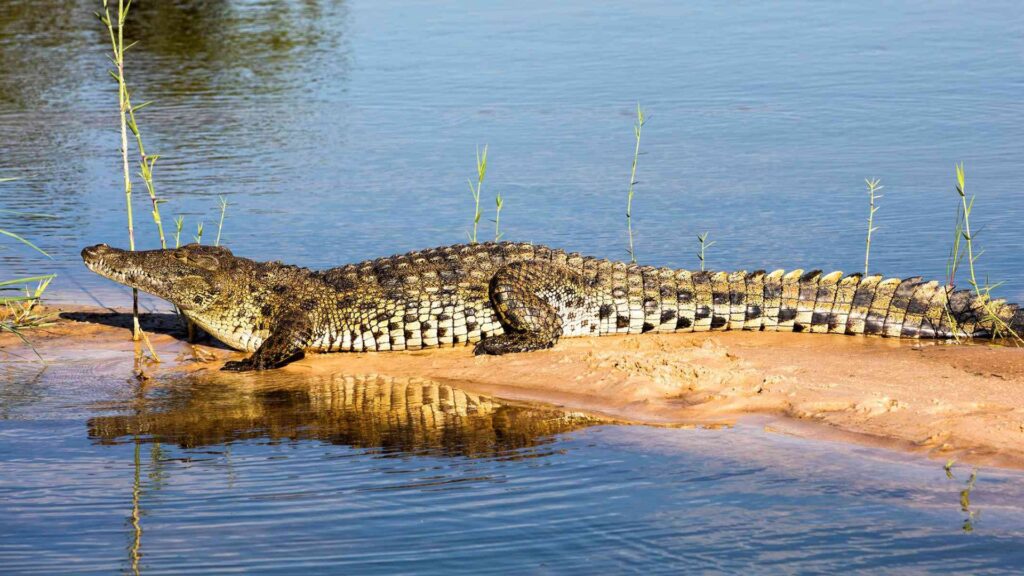
Nile Crocodile
Crocodylus niloticus
Giant crocodiles lie in wait at Grumeti and Mara river crossings, one of the migration’s most dramatic sights.
Birdlife
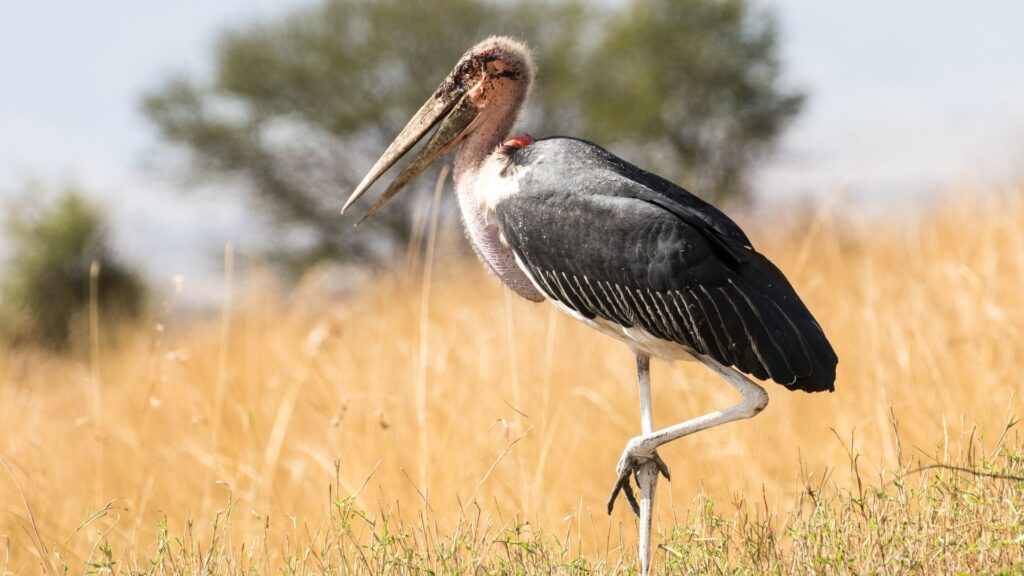
500+ Bird Species
Ostrich, secretary bird, vultures, eagles and the lilac-breasted roller are among the most commonly spotted.
Wild dog
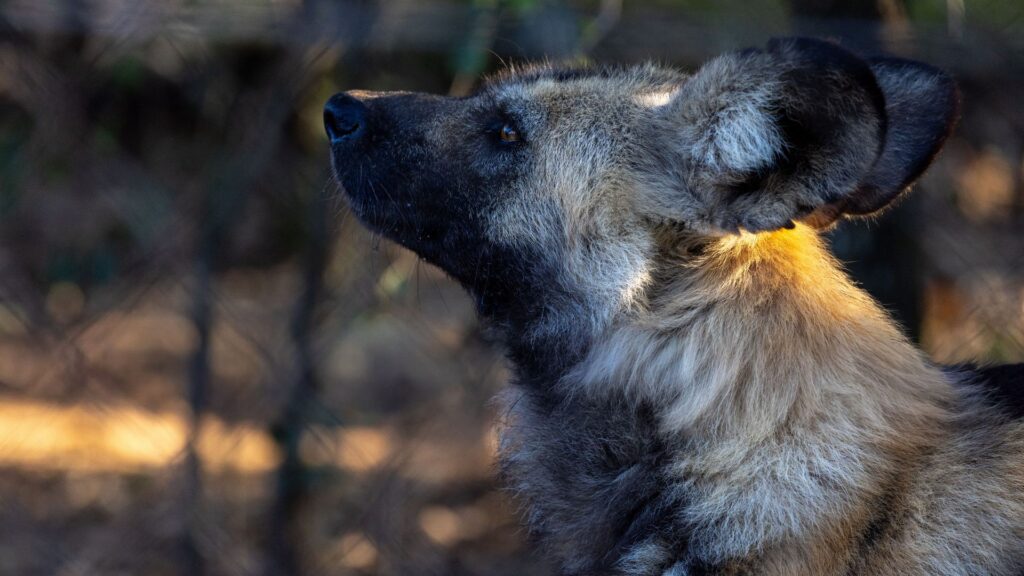
African Wild Dog
Lycaon pictus
Once locally extinct, painted wolves are occasionally seen again on the park’s margins as populations slowly recover.

Four faces of the Serengeti

The park is loosely divided into distinct zones — pick a base according to when you’re visiting and what you want to see.
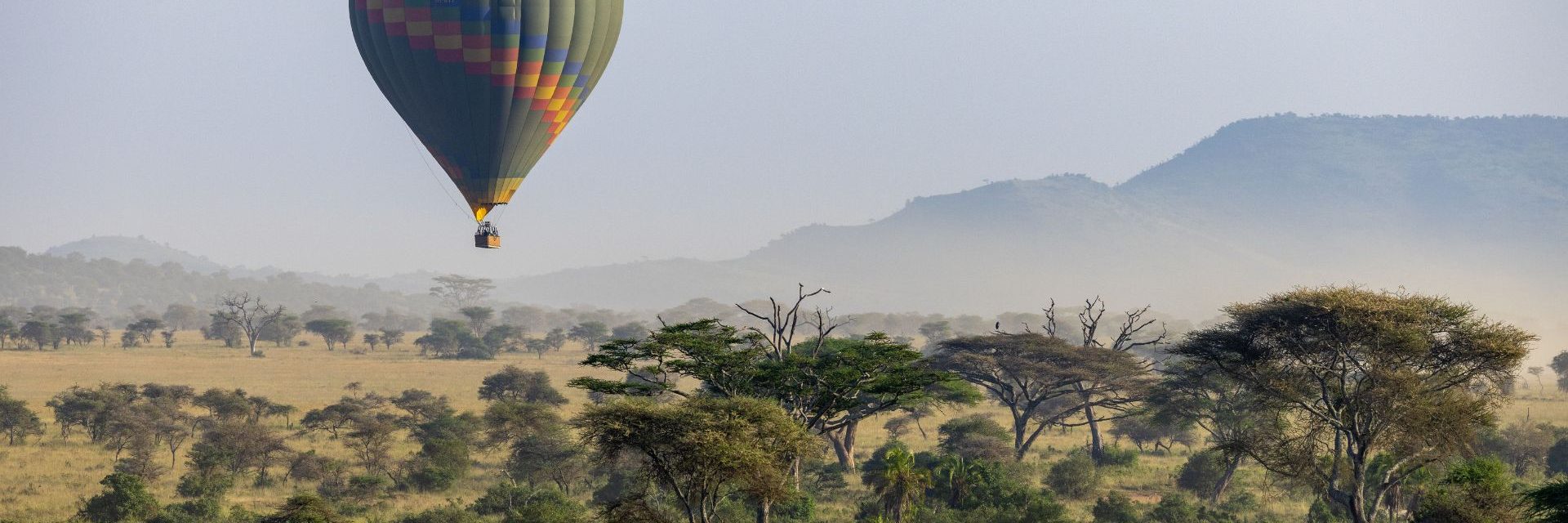
serengeti national park Balloon Safari (1)
01

Southern & Central Serengeti — Seronera & Ndutu

Open volcanic grassland dotted with granite kopjes, and the year-round heart of the park. Seronera's permanent water draws resident wildlife even outside migration season; Ndutu, just south, is the calving ground from December to March.

BEST FOR: YEAR-ROUND GAME VIEWING · CALVING SEASON · BIG CATS
02

Western Corridor

Defined by the Grumeti and Mbalageti rivers and their fringing riverine forest, this narrower stretch of the park runs toward Lake Victoria. The migration passes through from roughly May to July, with dramatic Grumeti River crossings.

BEST FOR: JUNE-JULY MIGRATION · BIRDLIFE · FEWER CROWDS
03

Northern Serengeti — Kogatende & the Mara River

Open Commiphora woodland and hills stretching to the Kenyan border. Home to the famous Mara River crossings from roughly July to October, and quieter, more remote game viewing than the south.

BEST FOR: JULY-OCTOBER RIVER CROSSINGS · REMOTE SAFARI FEEL
04

Eastern & Wider Ecosystem — Ngorongoro, Maswa, Loliondo

Surrounding conservation areas and game reserves that form the intact wider ecosystem, without which the migration couldn't function. Ngorongoro Conservation Area, adjoining the southeast, is easily combined with a Serengeti trip.

BEST FOR: COMBINING WITH NGORONGORO CRATER · MAASAI CULTURE

When to visit

The Serengeti is a genuine year-round destination — there is no single “best” month, only trade-offs between crowds, cost, and what part of the migration story you want to see.
Season Months Conditions Highlights
Calving season Dec - Mar Warm, mostly dry with short November-December rains tapering off; short green grass on southern plains. Huge concentrations of wildebeest calves and predator action around Ndutu.
Long rains / green season Mar - May Heaviest rainfall of the year; lush, quiet, and often much cheaper. Fewer visitors, dramatic skies, excellent birding, lowest lodge rates.
Western corridor migration Jun - Jul Rains easing, landscape still green; herds moving through. Grumeti River crossings, transitional scenery.
Dry season / peak Jul - Oct Dry, dusty, reliably sunny; the classic safari season and the busiest. Mara River crossings in the north, easiest general game viewing.
Short rains Nov Brief, often light afternoon showers. Herds beginning their return south; landscape greening up again.

Getting there & getting around

By air

  • Most journeys begin at Kilimanjaro International Airport (JRO) or Arusha Airport (ARK), the main gateways to northern Tanzania.
  • Light aircraft connect Arusha to airstrips inside the park itself — flight times run from roughly 1 hour to nearly 3 hours depending on the strip, with an extra ~30 minutes from JRO.
  • Scheduled flights often make multiple stops en route, serving several lodges on one route.

By road

  • Self-drive, private transfer, or guided safari vehicle from Arusha — a long but scenic day’s drive, often broken up via Ngorongoro Conservation Area.
  • Most itineraries combine the Serengeti with Ngorongoro Crater, Tarangire, and Lake Manyara as part of a northern-circuit road safari.

Main entry gates

  • Naabi Hill Gate Main southeastern approach, via Ngorongoro
  • Ndabaka Gate Western approach, from Lake Victoria side
  • Klein's Gate Northeastern approach
  • Bologonja Gate Northern approach, near the Kenyan border

Inside the park

  • Game drives run between 6:00am and 6:00pm; night driving isn’t permitted inside the national park itself.
  • Speed limit is roughly 25–50 km/h depending on road; animals always have right of way.
  • Off-road driving, leaving your vehicle outside designated areas, and drones are all prohibited.

Park fees & rules, at a glance

Entry fees (non-resident foreign visitors)

  • Published TANAPA rates for adults have generally sat in the roughly US $70–83 per person, per 24 hours in recent years, with children (5–15) around half that and under-5s free.
  • An 18% VAT typically applies on top of quoted rates.
  • If staying at a lodge or camp inside the park, an additional concession fee (commonly around US $60/adult/night) applies.
  • Fees are reviewed periodically by TANAPA — always confirm current pricing directly with TANAPA or your operator before budgeting a trip, since rates and payment rules (cash vs. card) change.
  • Most package safaris and fly-in itineraries fold park fees into the overall price.

Park etiquette & rules

  • Stay inside your vehicle at all times except at designated picnic or rest areas.
  • Keep a respectful distance from wildlife — guides typically hold back around 25m from predators.
  • Never feed or attempt to attract animals; keep noise (including music) to a minimum.
  • Camping is permitted only at designated public or special campsites, best booked well ahead in peak season.
  • Carry nothing out and leave nothing behind — no plants, bones, or other natural objects.

Stavo Adventures itineraries in the Serengeti National Park

Where to stay

Options range from simple public campsites to some of Africa’s most storied luxury camps — the right choice depends mostly on which region you’re chasing and the time of year.
Indor swimming pool with blue wavy roof. Clear water and calm surface
Select
Embalakai Serengeti Camp
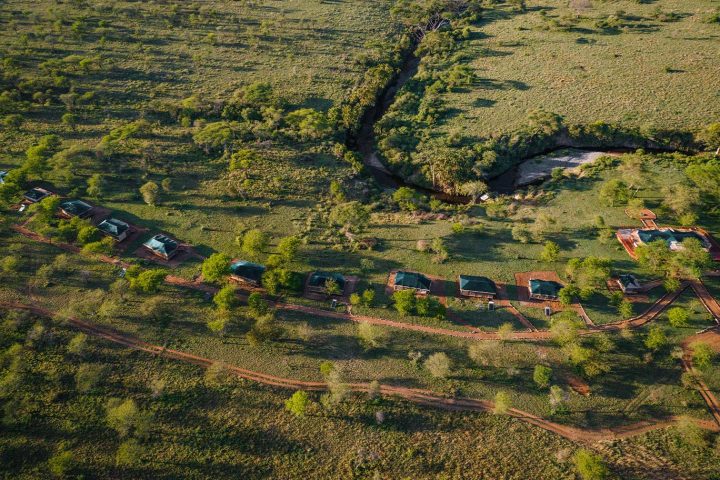
Embalakai Serengeti Camp offers an authentic, immersive safari experience in the heart of the Serengeti. Guests enjoy comfortable, eco-friendly tented accommodations with stunning views, exceptional wildlife proximity, and warm, attentive service throughout their stay.
Kubu Kubu Tented Camp
Reserve
Kubu Kubu Tented Camp
Kubu Kubu Tented Lodge is a highly-rated safari destination in the Serengeti, renowned for its luxurious, spacious tents that offer sweeping views of the landscape and seamless access to prime wildlife viewing areas.
Four Seasons Safari Lodge
Private Collection
Four Seasons Safari Lodge
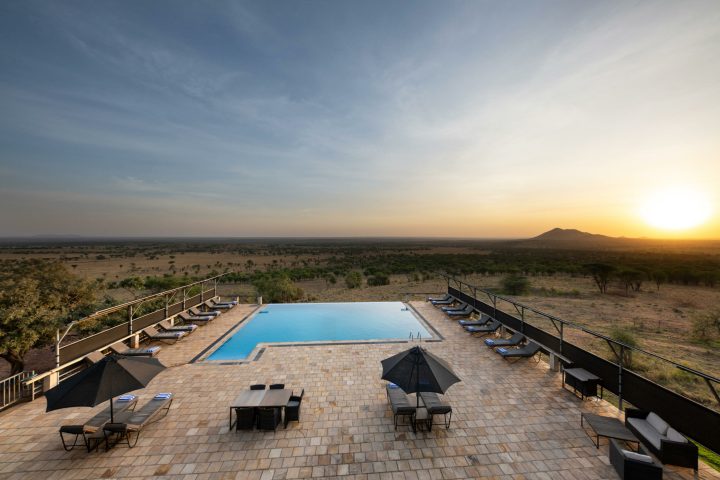
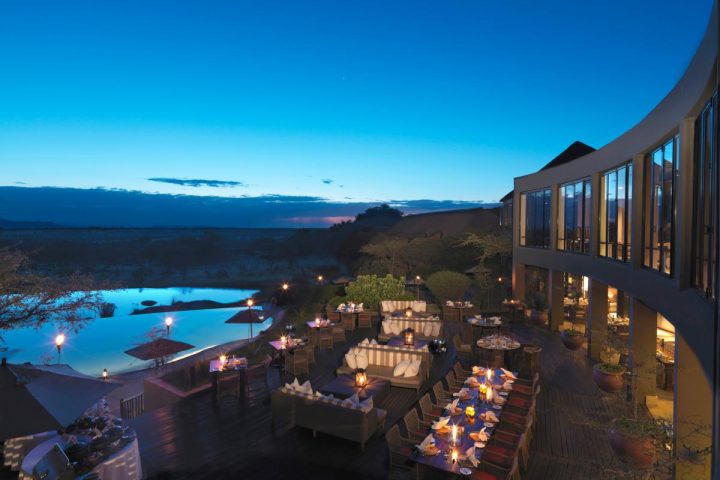
Four Seasons Safari Lodge Serengeti provides a sophisticated 5-star experience, featuring elegant rooms and suites, multiple gourmet dining options, an iconic infinity pool overlooking an active watering hole, and expertly guided game drives.

Before you go

Options range from simple public campsites to some of Africa’s most storied luxury camps — the right choice depends mostly on which region you’re chasing and the time of year.
What to pack
  • Neutral-toned clothing (khaki, olive, beige) — avoid bright colours, white, and dark blue/black, which attract tsetse flies.
  • Layers: mornings and open-vehicle game drives can be genuinely cold, even though days warm up fast.
  • A wide-brimmed hat, sunglasses, and high-SPF sunscreen — the equatorial sun is intense even when it’s cool.
  • Binoculars — arguably the single most valuable item for spotting distant wildlife.
  • Insect repellent and anti-malarial precautions, as advised by a travel clinic.
  • A dust-proof bag or cover for cameras and electronics on dry-season game drives.
Health & documents
  • A yellow fever vaccination certificate is required for travellers arriving from, or having transited, certain countries — check current Tanzanian entry requirements before you fly.
  • Malaria is present in the region; consult a doctor about prophylaxis well before departure.
  • A valid passport (with the validity/blank-page margin your airline requires) and Tanzanian visa, arranged in advance or on arrival depending on nationality.
  • Travel insurance that explicitly covers safari activities and medical evacuation is strongly recommended given the park’s remoteness.
Money & connectivity
  • US dollars (cash, newer notes) and international cards are both commonly used for park fees and lodges — confirm accepted methods with your operator ahead of time, as gate policies vary.
  • Mobile signal is patchy to non-existent across most of the park; most lodges offer limited Wi-Fi at best.
  • Tipping guides and camp staff is customary; ask your operator for typical local guidance.
Getting the most from a visit
  • Book migration-season camps and campsites months in advance — the popular windows fill up fast.
  • A hot-air balloon safari at dawn is the classic way to see the plains and, in season, the herds from above.
  • Combine the Serengeti with Ngorongoro Crater, Tarangire, or Lake Manyara for a fuller northern-circuit itinerary.
  • Set realistic expectations around river crossings — they’re unpredictable and can be over in minutes, so treat them as a bonus, not a guarantee.