Dutch
Dutch Spanish
 French
 Russian
 Chinese
Summit elevation (Socialist Peak)
Typical days to climb
Official route: Momella
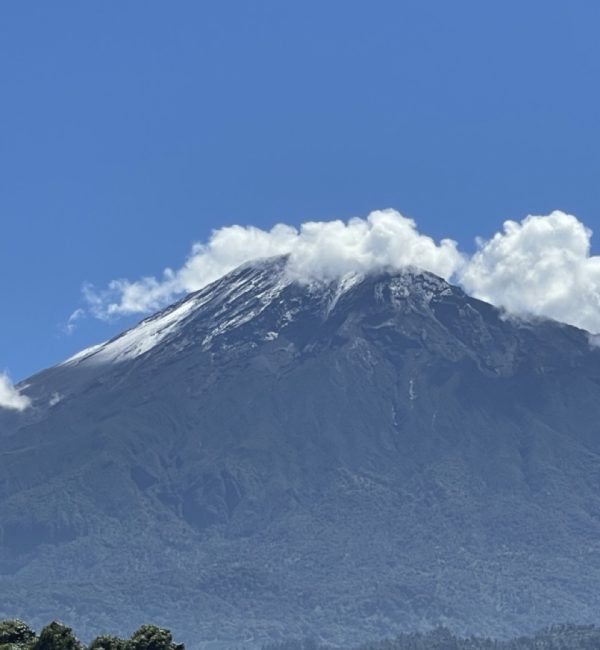
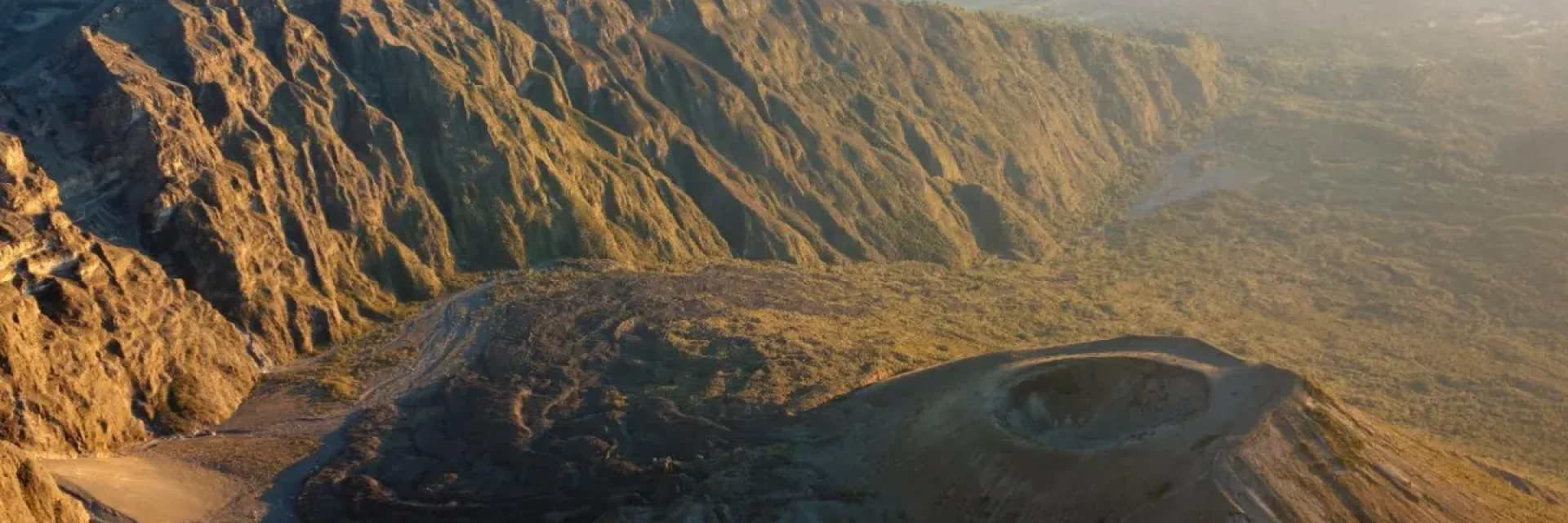
Mount Meru rises within Arusha National Park, its summit reachable via a single official trail — the Momella Route — starting at Momella Gate (1,500m) and climbing to Socialist Peak at 4,566m. It is Tanzania’s second-highest mountain after Kilimanjaro and Africa’s fifth-highest, yet sees a fraction of Kilimanjaro’s traffic, making it one of the continent’s most rewarding lesser-known treks.
About 250,000 years ago, a massive eruption blew away Meru’s entire eastern flank, leaving behind the dramatic ash cone and horseshoe-shaped crater that define its summit today. Climbers spend their first day walking through forest and grassland where giraffe, buffalo, and elephant are a real possibility — which is exactly why an armed park ranger is a mandatory part of every ascent.
Because it demands genuine altitude acclimatization without Kilimanjaro’s extreme elevation, Meru has become the classic warm-up climb for Kilimanjaro-bound trekkers, while standing perfectly well on its own — not least for the sunrise view from its summit, looking straight across at Kilimanjaro itself.
Tap a season on the loop to see how conditions on the mountain change.
Mild temperatures and stable weather make this one of the two best periods of the year to attempt the summit.
Good to know: an armed park ranger is a mandatory part of every Meru ascent, not an optional extra — the lower slopes are genuine buffalo and elephant habitat.
A 4–6 hour walk through lower forest and open grassland that feels as much like a walking safari as a trek — giraffe, buffalo, and warthog are common sights.
A steeper 3–5 hour climb through montane forest and giant heather, with the first proper views of Meru's crater and Little Meru peak.
The summit push — a midnight start, a steep climb to Rhino Point, and a narrow, exposed ridge past Cobra Point to the top.
An optional longer descent route passes closer to the ash cone and offers further chances of wildlife, before rejoining the main trail back to Momella Gate.
| Season | Months | Conditions | Highlights |
|---|---|---|---|
| Dry season / peak | Jun - Oct | Clear skies and stable weather — the most reliable climbing window of the year. | The classic time to combine Meru with a Kilimanjaro climb. |
| Short dry window | Jan - Feb | Mild temperatures and generally stable conditions. | A quieter alternative to the June–October peak, with similarly good odds of clear summit views. |
| Rains approaching | Mar | Weather becoming less predictable as the long rains set in. | A transitional month best avoided for a summit attempt. |
| Long rains | Apr - May | The wettest months of the year; slippery trails on the exposed ridge. | Generally avoided by climbers; lush scenery for those visiting the lower park only. |
| Short rains | Nov - Dec | Afternoon showers return, adding risk to the summit ridge. | Best avoided for summit attempts; fewer climbers on the mountain. |