Lake Manyara National Park sits in Tanzania’s Manyara Region, roughly 126 km (about a 1.5–2 hour drive) west of Arusha, wedged between the dramatic wall of the Great Rift Valley escarpment and the shallow, alkaline waters of Lake Manyara itself. The lake covers close to two-thirds of the park’s total area, fed by underground springs and rivers descending from the escarpment above.
Gazetted in 1960, the park is compact but remarkably varied for its size — a dense groundwater forest near the entrance gives way to acacia woodland, open floodplain grassland, and the lake’s shallow soda shoreline. It is best known for two things: its lions, which have developed an unusual habit of climbing into acacia and fig trees to rest, and its birdlife, with over 400 recorded species including large seasonal flamingo flocks on the lake.
Manyara also holds some of the highest documented densities of elephant and olive baboon anywhere in Africa relative to its size, alongside resident hippo pods near the park entrance and the little-visited Maji Moto hot springs at its southern end.
The lake through the seasons
Tap a season on the loop to see how the lake's water levels shape the wildlife on show.
January – February
A warm, dry interlude
A brief dry spell between the rains brings good all-round visibility across the forest, woodland, and lakeshore, with comfortable, warm conditions.
Good to know: the famous tree-climbing lions are most often spotted resting in acacia or fig trees during the heat of midday — a slow drive through the woodland around noon is your best chance.
Who you'll meet in the forest and on the lake
Manyara packs remarkable variety into a small area — tree-climbing lions, dense elephant and baboon populations, and one of Tanzania’s richest concentrations of birdlife, all within a single compact park.
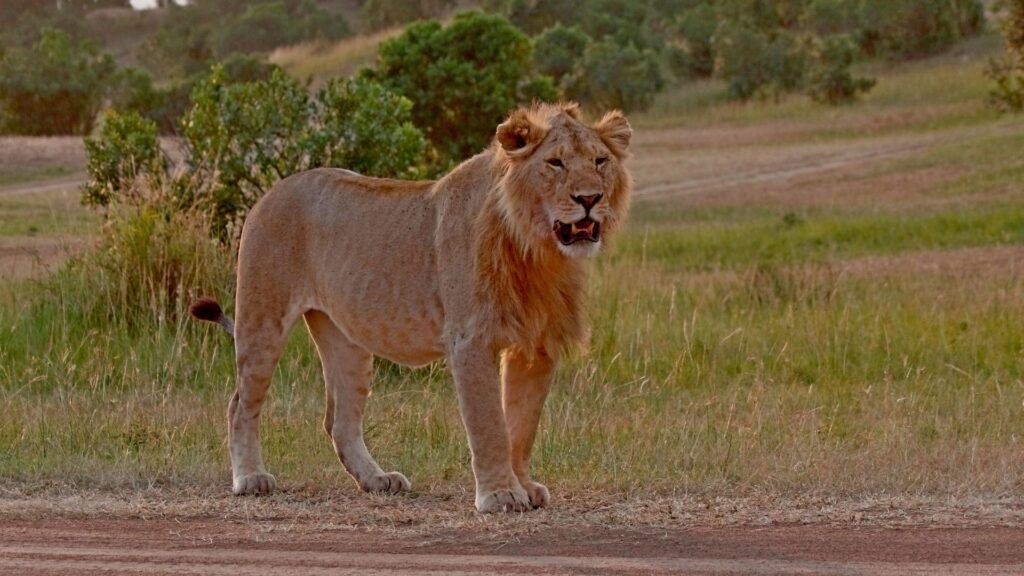
Tree-climbing Lion
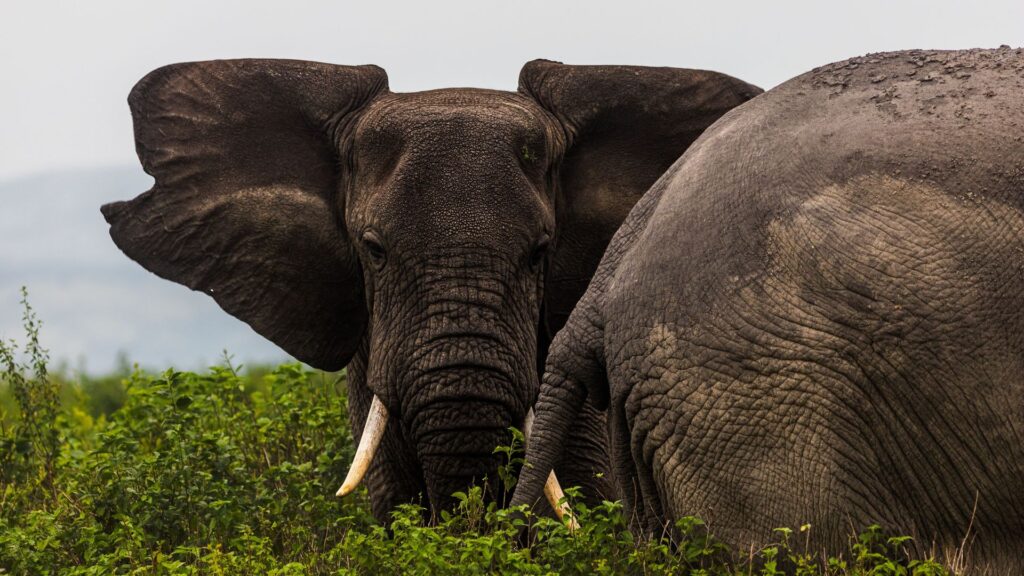
African Bush Elephant
Hippopotamus
Olive Baboon
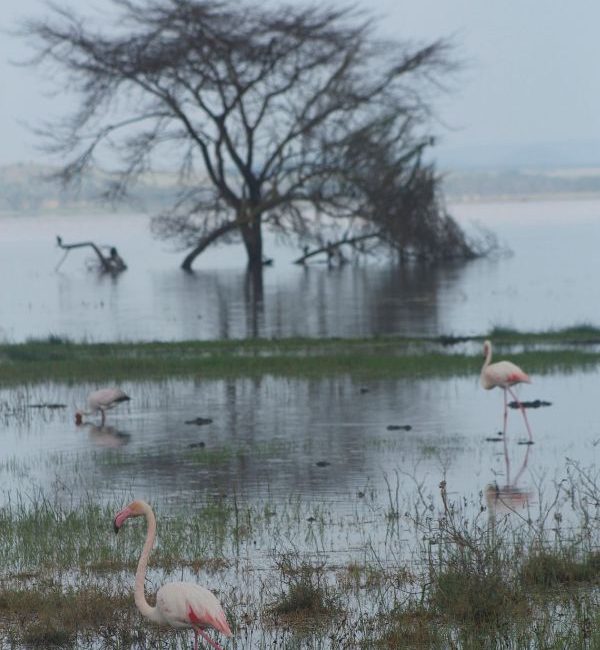
Flamingo
Predator
Lion
Panthera leo
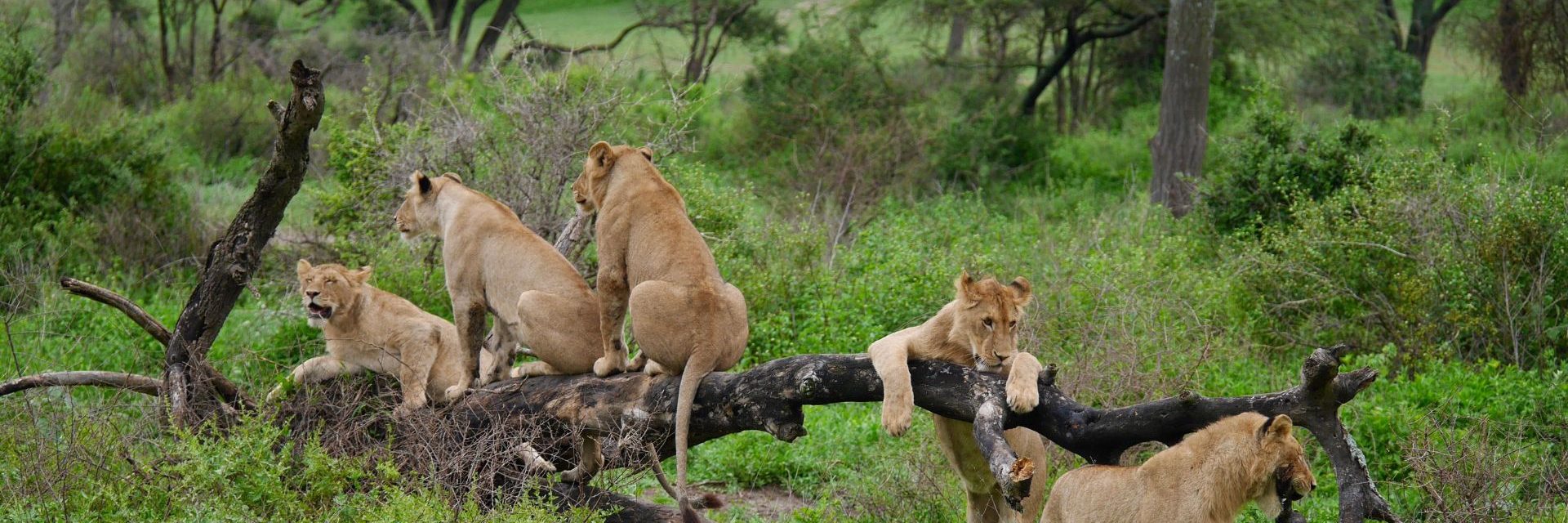
Manyara’s lions are famous for an unusual habit — climbing into acacia and fig trees to rest during the heat of the day.
Predator
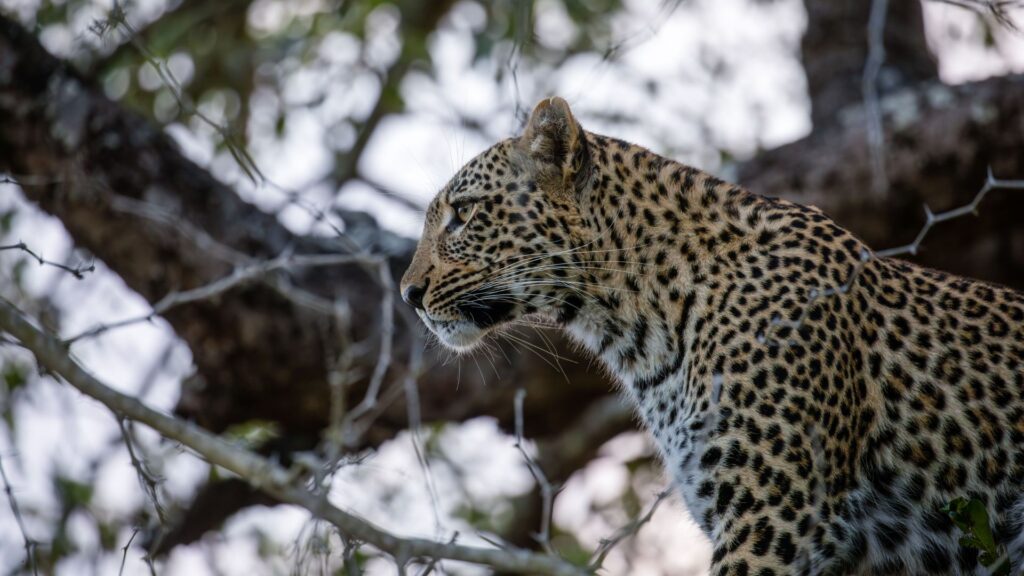
Leopard
Panthera pardus
Present but elusive, favouring the dense groundwater forest near the park entrance.
Large herbivore
African Bush Elephant
Loxodonta africana
Large herds move through the groundwater forest and woodland, among the densest elephant populations for a park of this size.
Aquatic mammal
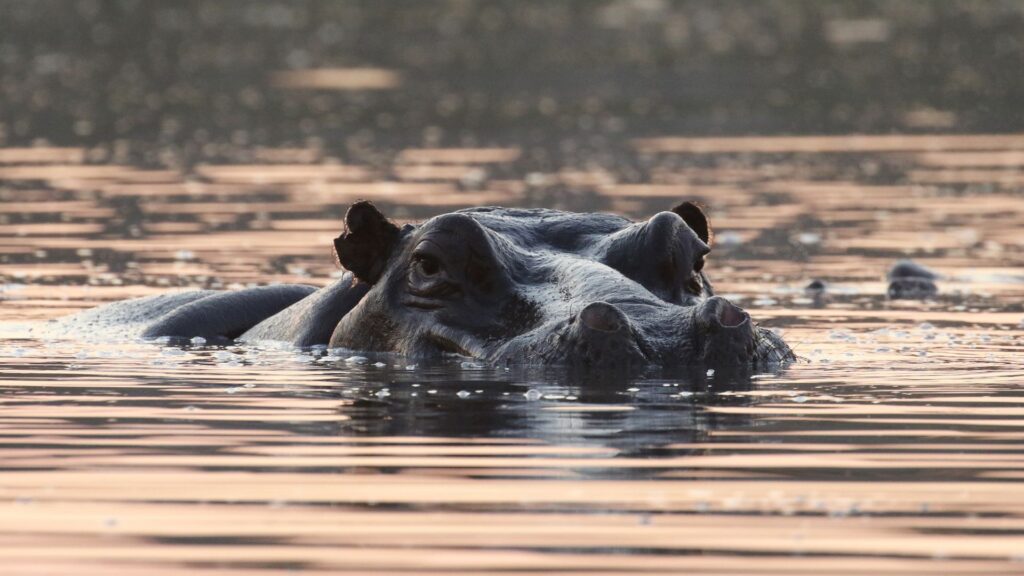
Hippopotamus
Hippopotamus amphibius
Large resident pods occupy shallow pools close to the park entrance, easily viewed from the roadside.
Primate
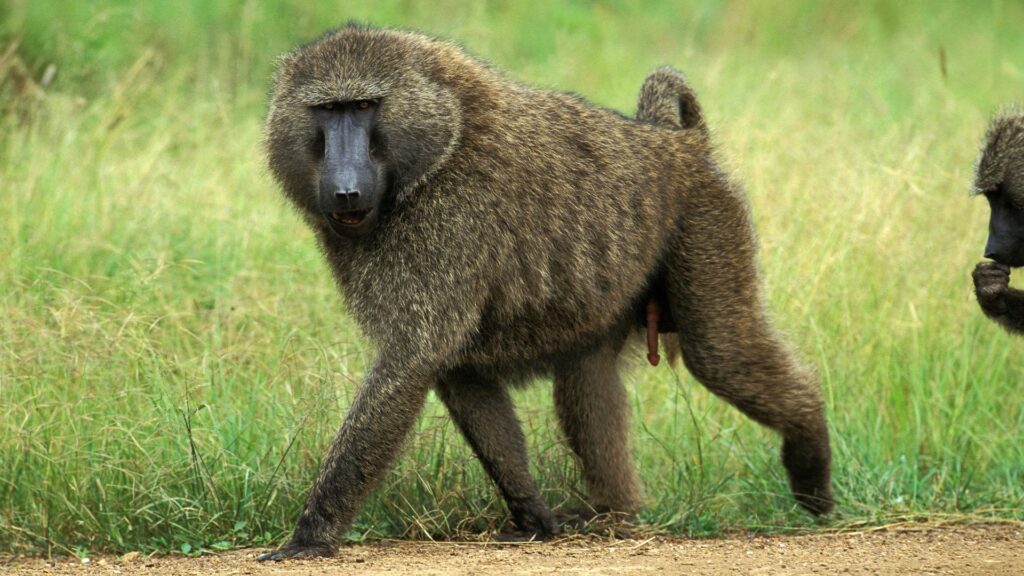
Olive Baboon
Papio anubis
The groundwater forest holds one of the highest documented troop densities of olive baboon anywhere in Africa.
Primate
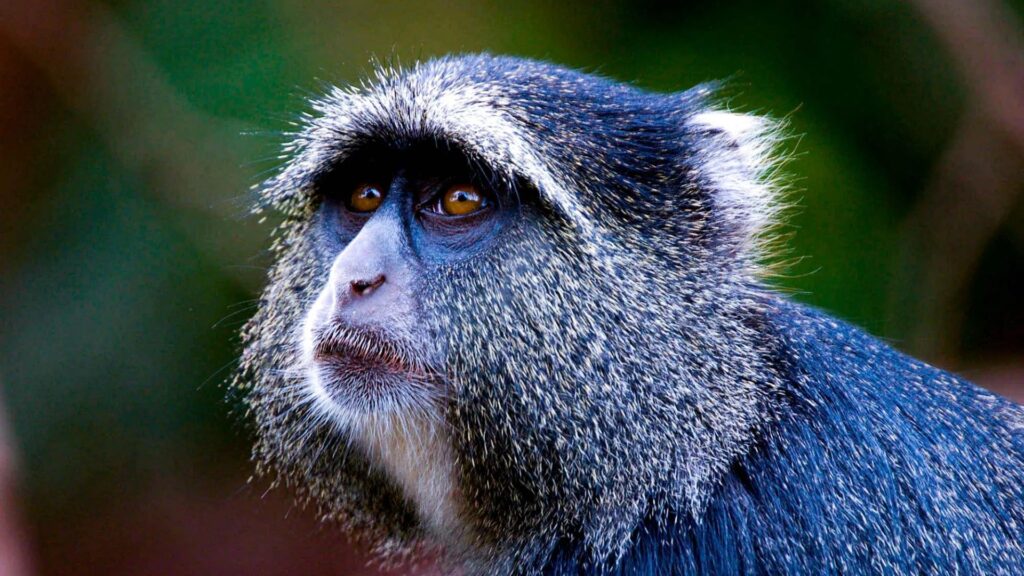
Blue Monkey
Cercopithecus mitis
Found in the shaded canopy of the forest near the main gate, often heard before they’re seen.
Herbivore
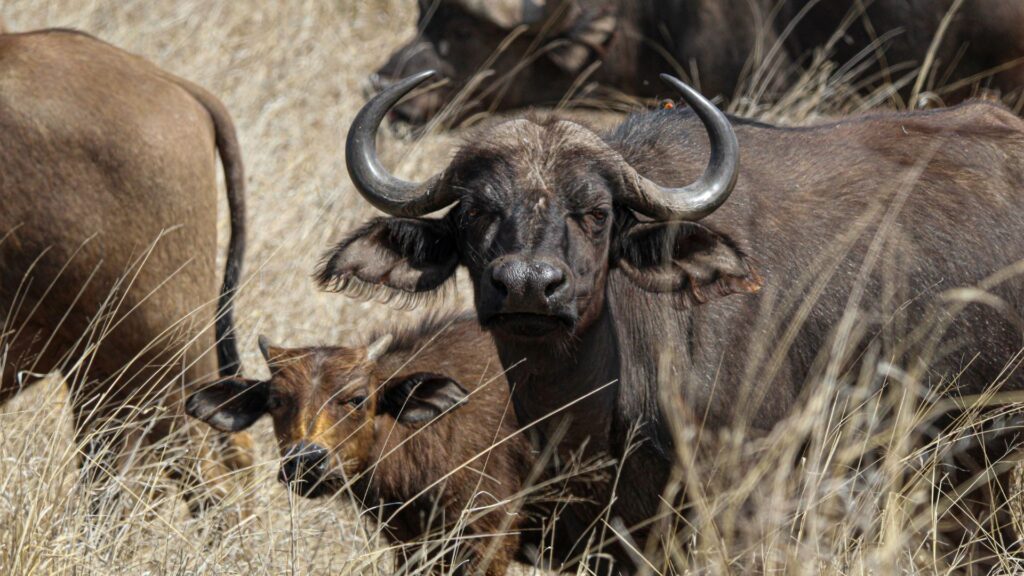
Cape Buffalo
Syncerus caffer
Large herds graze the open floodplain grassland toward the park’s southern reaches.
Herbivore
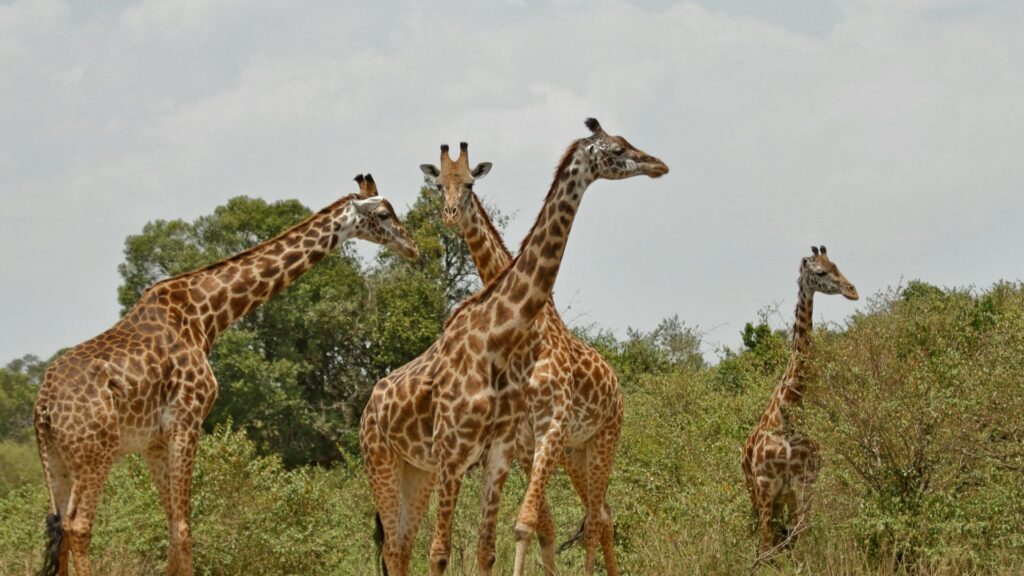
Maasai Giraffe
Giraffa tippelskirchi
Regularly seen browsing the acacia woodland between the forest and the lakeshore.
Wetland birdlife
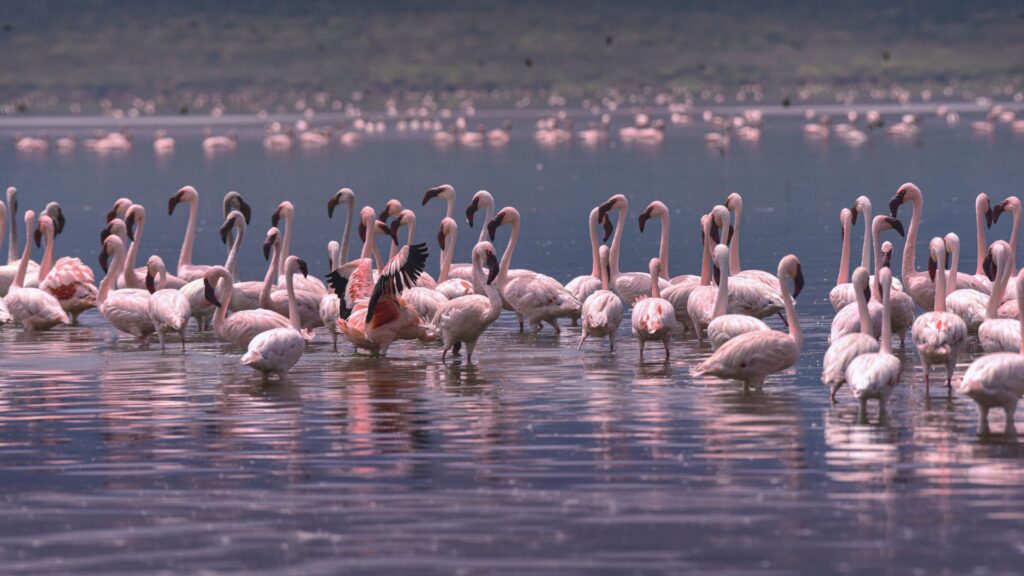
Flamingo
Phoeniconaias minor & Phoenicopterus roseus
Thousands of lesser and greater flamingos gather on the lake’s shallow soda waters, especially when levels are low and algae blooms are exposed.
Birdlife
400+ Bird Species
—
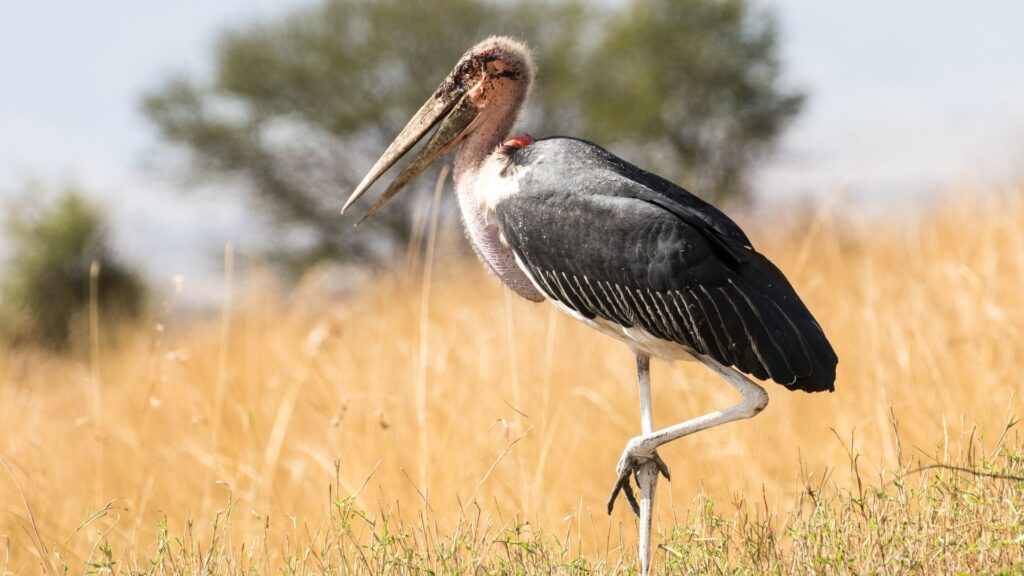
Pelicans, storks, fish eagles, and kingfishers add to a birding list that is exceptional for the park’s size.
Four faces of Lake Manyara
The park is loosely divided into distinct habitats — pick a focus according to what you want to see.
01
Groundwater Forest & Park Entrance
Dense, shaded forest near the main gate, home to large baboon troops, blue monkeys, and passing elephant herds — the park's most immersive habitat.
BEST FOR: PRIMATES · FOREST WILDLIFE
02
The Lake Shore & Flamingo Flats
The shallow soda lake and its shoreline, where flamingo and pelican flocks gather in huge numbers, alongside resident hippo pools.
BEST FOR: BIRDLIFE · FLAMINGOS
03
Escarpment & Rift Valley Wall
The dramatic backdrop to the whole park, with rim-side lodges offering sweeping views down over the lake and forest below.
BEST FOR: SCENIC LODGES · VIEWPOINTS
04
Maji Moto & the Southern Floodplains
Natural hot springs and open grassland toward the park's southern end — far fewer visitors reach this quieter stretch.
BEST FOR: FEWER CROWDS · HOT SPRINGS
When to visit
Manyara is a genuine year-round destination — the main trade-off is dry-season shoreline concentrations of wildlife versus the lush, birdlife-rich green season.
Season
Months
Conditions
Highlights
Dry season / peak
Jul - Oct
Dry and reliably sunny; the lake shrinks toward its lowest levels.
Wildlife concentrates near the shrinking shoreline — the most reliable game viewing of the year.
Drying out
Jun
Rains easing, water levels beginning to drop.
More shoreline exposed, drawing wildlife closer to the water.
Short rains
Nov - Dec
Brief afternoon showers begin refilling the lake's shallow pans.
Flamingo numbers build as algae blooms return; fewer crowds.
Transition
Jan - Feb
A warm, mostly dry interlude between the rains.
Good all-round conditions across forest, woodland, and lakeshore.
Long rains / green season
Mar - May
Heaviest rainfall of the year; the lake at its fullest.
Lush forest scenery, canoeing often possible where permitted, lowest lodge rates.
Getting there & getting around
By air
Lake Manyara Airstrip, near the town of Mto wa Mbu, is a key hub for northern-circuit fly-in safaris, roughly 15–20 minutes by air from Arusha.
Often the first or last stop on a fly-in itinerary connecting to Serengeti or Ngorongoro-area airstrips.
By road
Around a 1.5–2 hour drive from Arusha (roughly 126 km), making Manyara a natural first or last stop on a northern-circuit road safari.
Commonly combined with Tarangire and Ngorongoro Crater on the same route.
Main entry gates
Mto wa Mbu GateMain entrance, on the northern approach from Arusha
Lake Manyara AirstripFly-in access point near Mto wa Mbu
Inside the park
Game drives run between 6:00am and 6:00pm; night driving isn’t permitted inside the national park itself.
Off-road driving and drones are prohibited; animals always have right of way.
Roads through the groundwater forest can be narrow — drivers should proceed slowly and watch for baboon troops crossing.
Park fees & rules, at a glance
Entry fees (non-resident foreign visitors)
Published TANAPA rates for adults have generally sat in the roughly US $60 per person, per 24 hours range in recent years, with children (5–15) around half that and under-5s free.
An 18% VAT typically applies on top of quoted rates.
Fees are reviewed periodically by TANAPA — always confirm current pricing directly with TANAPA or your operator.
Most package safaris fold park fees into the overall price.
Park etiquette & rules
Stay inside your vehicle at all times except at designated picnic or rest areas.
Keep a respectful distance from wildlife, particularly elephant herds and baboon troops near the road.
Never feed or attempt to attract animals; keep noise to a minimum.
Carry nothing out and leave nothing behind.
Stavo Adventures itineraries in the Lake Manyara National Park
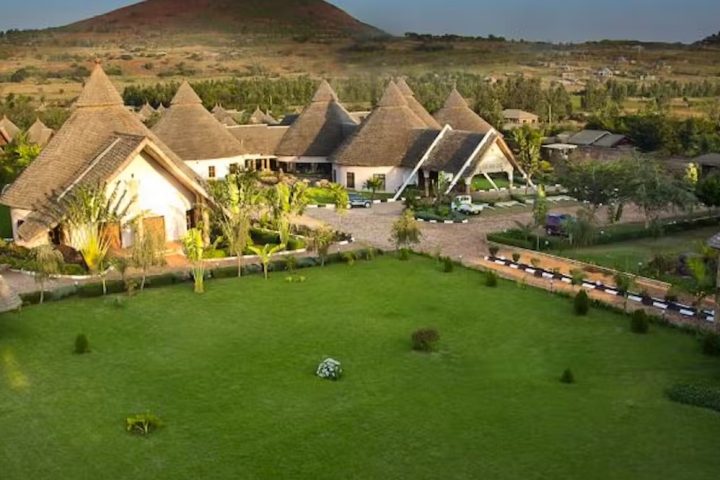
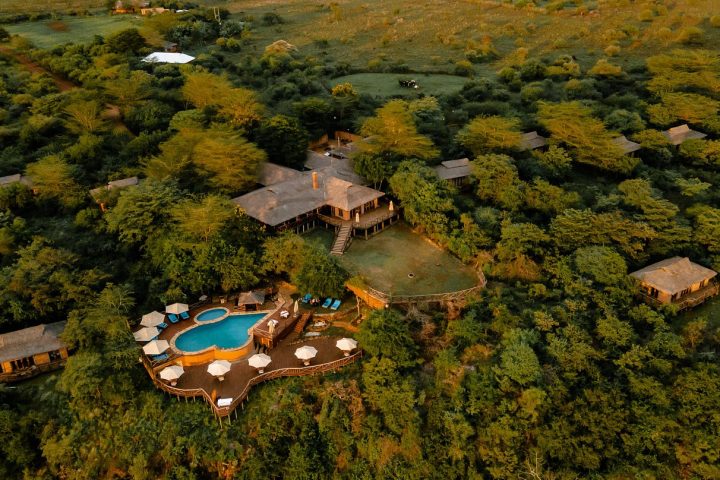
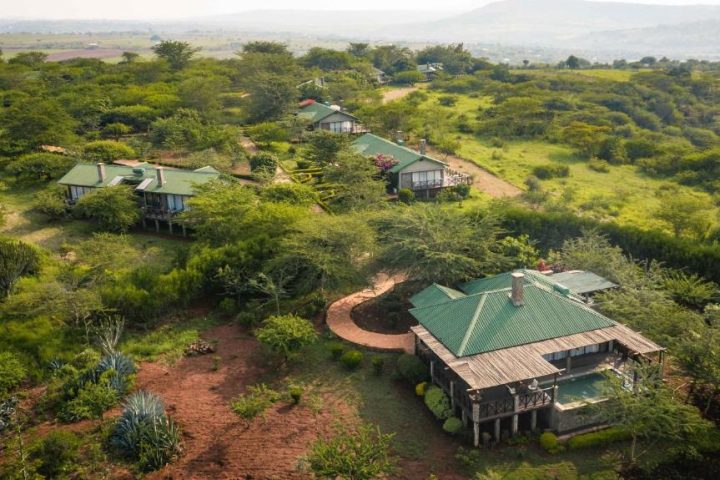
Lodges here range from relaxed, garden-set properties in nearby Karatu to rim-side luxury with sweeping views over the lake and escarpment.
Select
Farm of Dreams Lodge
Farm of Dreams Lodge sits in Karatu’s garden setting, ideally placed for Lake Manyara, Ngorongoro, Lake Eyasi, and Tarangire, with warm, personalised service and produce grown in its own kitchen garden.
Reserve
Escarpment Luxury Lodge
Escarpment Luxury Lodge is perched directly on the Rift Valley escarpment overlooking Lake Manyara, just minutes from the park gate, with private chalets and panoramic sunset views across the valley.
Private Collection
Ngorongoro Oldeani Mountain Lodge
Ngorongoro Oldeani Mountain Lodge is a five-star colonial-style property on Oldeani hill, with 360-degree views extending across to Lake Manyara and Lake Eyasi, and an easy onward run to the Ngorongoro Crater.
Before you go
A few practical notes to help you prepare for a Lake Manyara safari, from what to pack to what to expect on the ground.
What to pack
Neutral-toned clothing (khaki, olive, beige) — avoid bright colours and dark blue/black, which attract tsetse flies present in the groundwater forest.
Layers for cooler mornings, especially if staying at an escarpment-rim lodge.
A wide-brimmed hat, sunglasses, and high-SPF sunscreen for the equatorial sun.
Binoculars — essential for spotting tree-climbing lions and distant flamingo flocks on the lake.
Insect repellent, particularly around the forest and lake margins.
Health & documents
A yellow fever vaccination certificate is required for travellers arriving from, or having transited, certain countries — check current Tanzanian entry requirements before you fly.
Malaria is present in the region; consult a doctor about prophylaxis well before departure.
A valid passport (with the validity/blank-page margin your airline requires) and Tanzanian visa, arranged in advance or on arrival depending on nationality.
Travel insurance that explicitly covers safari activities and medical evacuation is strongly recommended.
Money & connectivity
US dollars (cash, newer notes) and international cards are both commonly used for park fees and lodges — confirm accepted methods with your operator ahead of time.
Mobile signal is generally reasonable around Mto wa Mbu and Karatu, though patchier inside the park itself.
Tipping guides and camp staff is customary; ask your operator for typical local guidance.
Getting the most from a visit
Time a slow midday drive through the acacia woodland for the best chance of spotting the famous tree-climbing lions.
Visit between July and October for the most concentrated wildlife viewing as the lake shrinks toward its lowest levels.
Ask about canoeing on the lake where water levels and park regulations allow — a rare way to experience an African national park from the water.
Combine with Tarangire and Ngorongoro Crater for a fuller northern-circuit itinerary.

 Dutch
Dutch Spanish
 French
 Russian
 Chinese