
 Dutch
Dutch Spanish
 French
 Russian
 Chinese
Lake area (405 sq mi)
Years the Hadzabe have called the area home
Elevation above sea level
Lake Eyasi lies in the southwestern corner of the Ngorongoro Conservation Area, roughly 130 km (about a 2.5–3 hour drive) west of Lake Manyara, at the foot of the Eyasi Escarpment on the western wall of the Great Rift Valley. It is a shallow, seasonal soda lake fed mainly by the Sibiti River, with no outlet — its shoreline expands and contracts dramatically depending on the year’s rainfall.
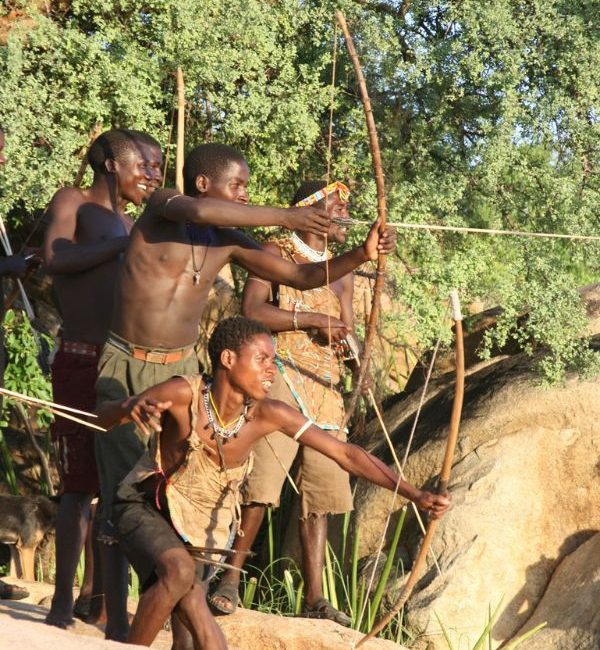
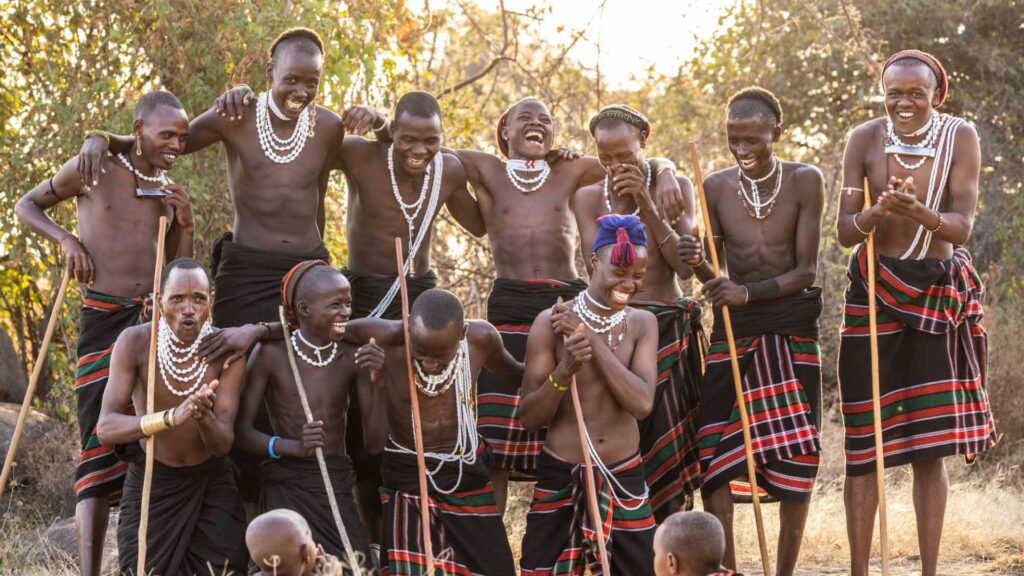
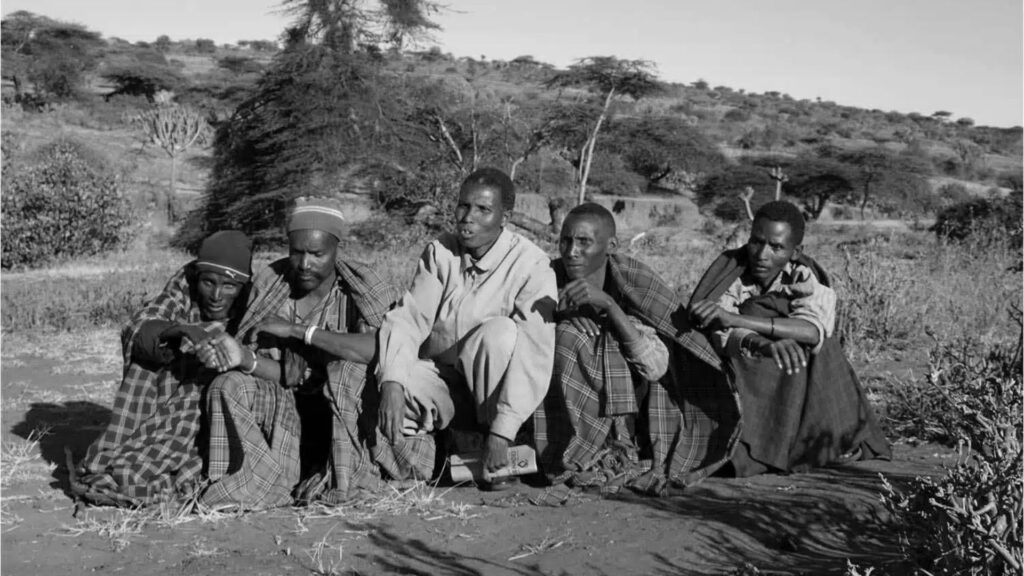
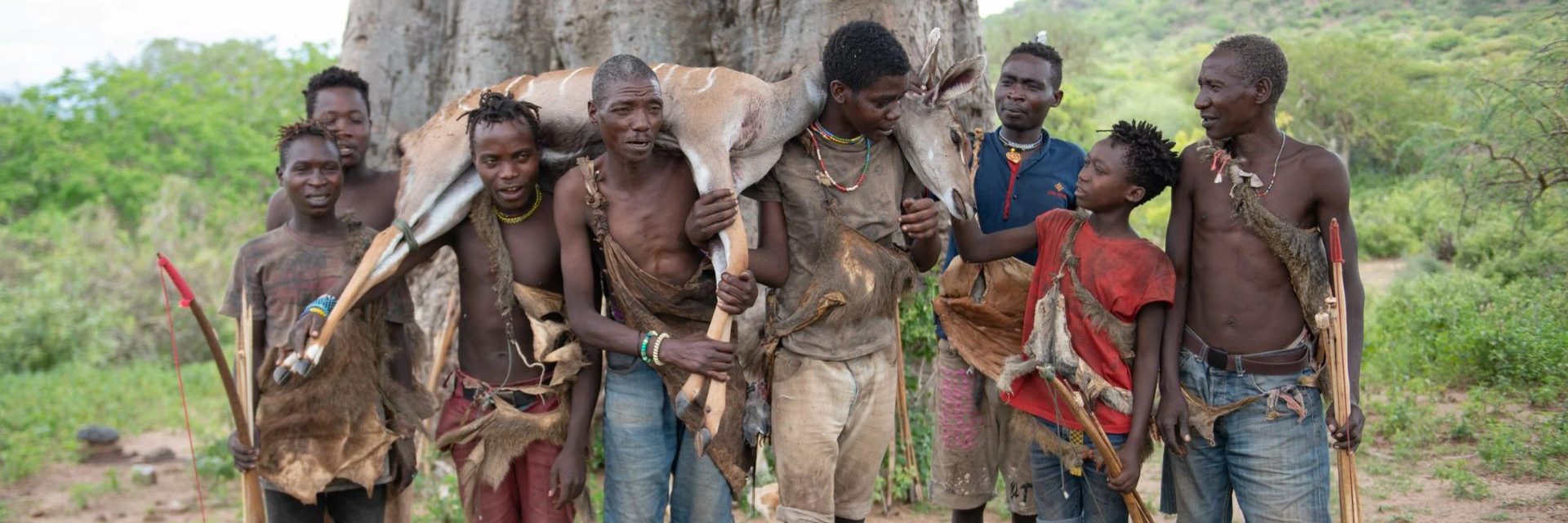
Unlike Tanzania’s national parks, Eyasi isn’t primarily a wildlife destination — it’s a cultural one. The surrounding basin is home to the Hadzabe, one of the last hunter-gatherer peoples in Africa, who have lived here for an estimated 10,000 years and still speak a distinctive click language. Nearby live the Datoga, pastoralists and skilled blacksmiths who trade metal arrowheads with the Hadzabe in exchange for honey and game meat.
The lake itself is fringed with distinctive Doum palms, backed by the dramatic 700m wall of the Eyasi Escarpment, and known for spectacular sunsets. When full, it draws hippos and large flocks of flamingos and pelicans; when dry, its cracked salt-flat surface becomes a striking landscape in its own right.
Tap a season on the loop to see how Lake Eyasi transforms through the year.
A brief dry spell between the rains keeps the lake at moderate levels, with good conditions for both cultural walks and early birdlife.
Good to know: Lake Eyasi is not a national park — visits are arranged entirely through registered local guides, and cultural fees go directly to the Hadzabe and Datoga communities you’ll meet.

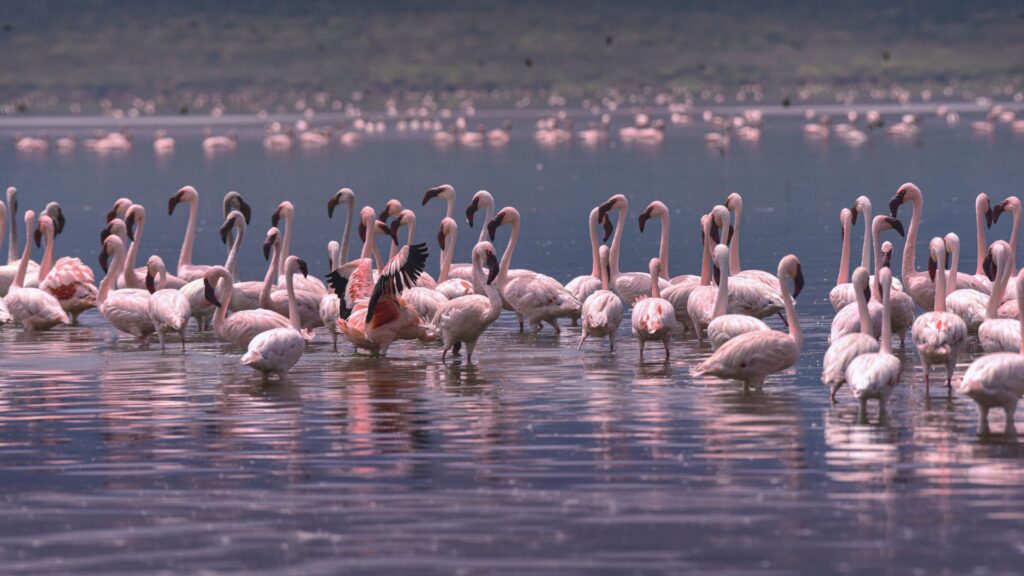
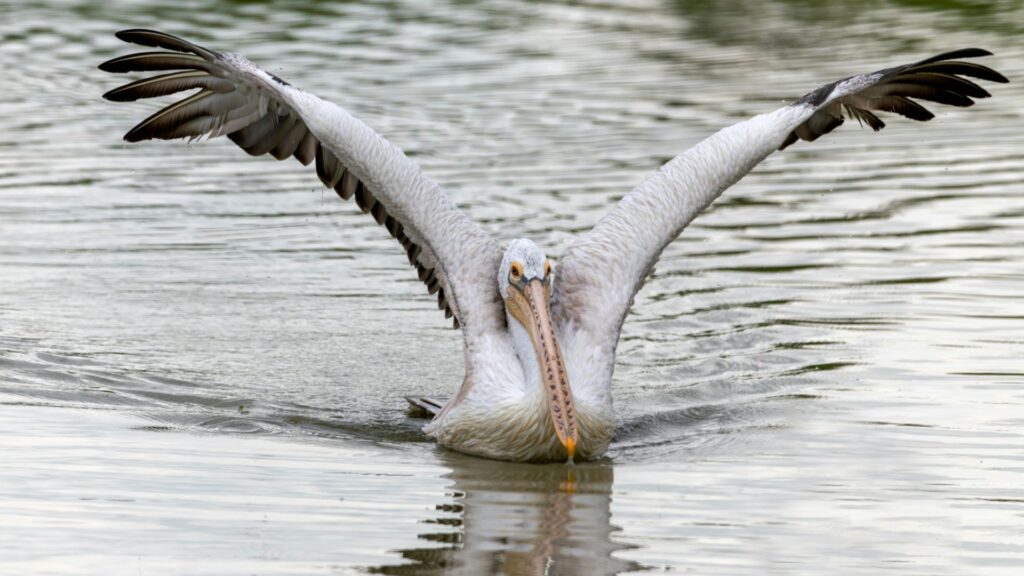
Palm-fringed shoreline known for spectacular sunsets and, when the lake is full, large gatherings of flamingos and pelicans.
Southeast of the lake, this valley is the true homeland of the Hadzabe, and the setting for early-morning hunting walks and cultural visits.
Pastoral homesteads and blacksmith workshops where visitors can watch traditional metalworking and learn about Datoga life.
The dramatic Rift Valley wall forming the lake's northwestern backdrop, with natural springs that sustain the basin's farms and villages.
| Season | Months | Conditions | Highlights |
|---|---|---|---|
| Salt-flat season | Jul - Oct | Dry, dusty, with the lake bed exposed as a cracked salt flat. | Easiest going for hunting walks with the Hadzabe; dramatic, stark scenery. |
| Drying out | Jun | Rains easing, water levels beginning to recede. | Good transitional window with fewer visitors. |
| Refilling / short rains | Nov - Dec | Brief showers begin returning water to the basin. | Birdlife starts building as the lake refills. |
| Transition | Jan - Feb | A warm, mostly dry interlude between the rains. | Good all-round conditions for both cultural visits and early birding. |
| Long rains / lake at its fullest | Mar - May | Heaviest rainfall of the year; the lake reaches its widest extent. | Peak flamingo, pelican, and hippo activity on the water. |