Tarangire National Park

the ancient baobab plains and the river that never runs dry
Explore Tarangire National Park: famous for massive elephant herds and iconic baobab trees across a beautiful, wild savanna.

2,850 km²

Park area (1,100 sq mi)

1970

National park established

3,000+

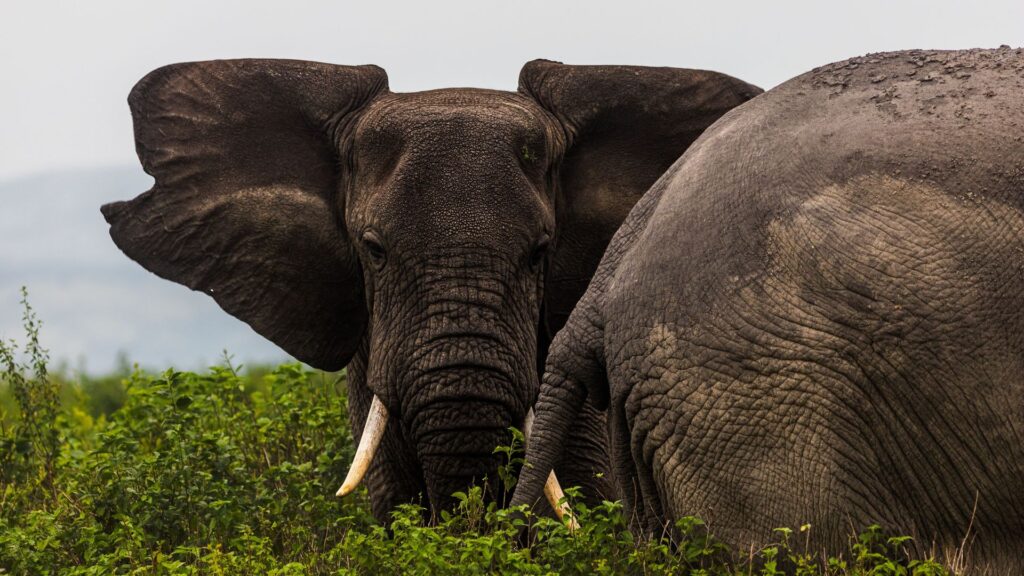
Elephants — highest density

The river that draws the herds

Tarangire National Park lies in Tanzania’s Manyara Region, roughly 118 km (about a 2-hour drive) southwest of Arusha, forming the core of a much wider ecosystem that stretches south toward Lake Burunge and the Simanjiro Plains. The park takes its name from the Tarangire River, which runs through it and remains one of the only permanent water sources in the region once the rains stop.

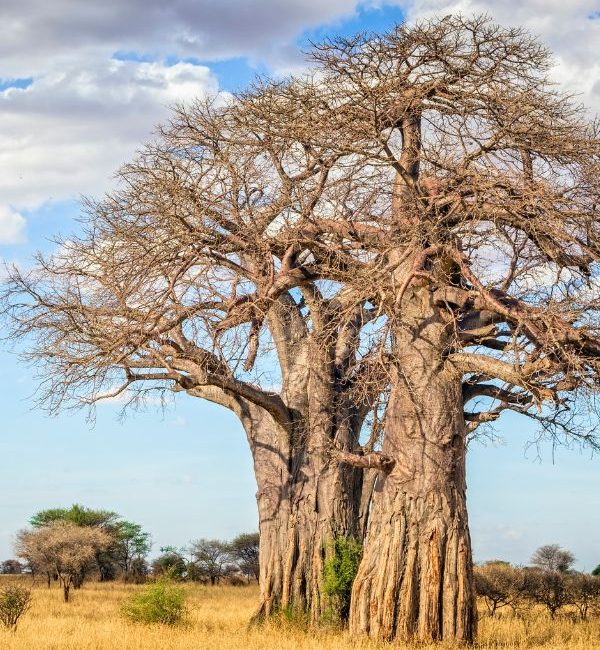
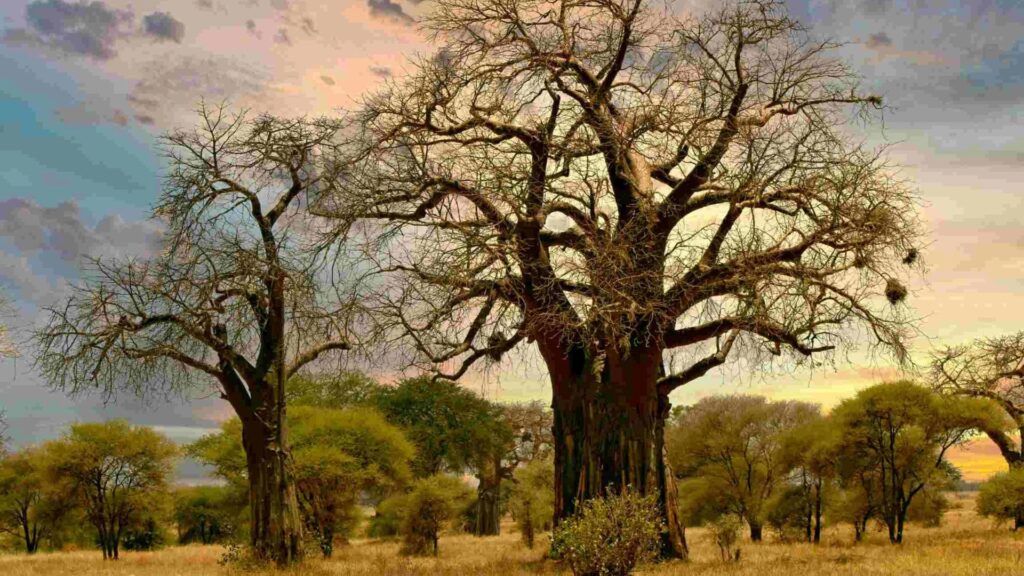
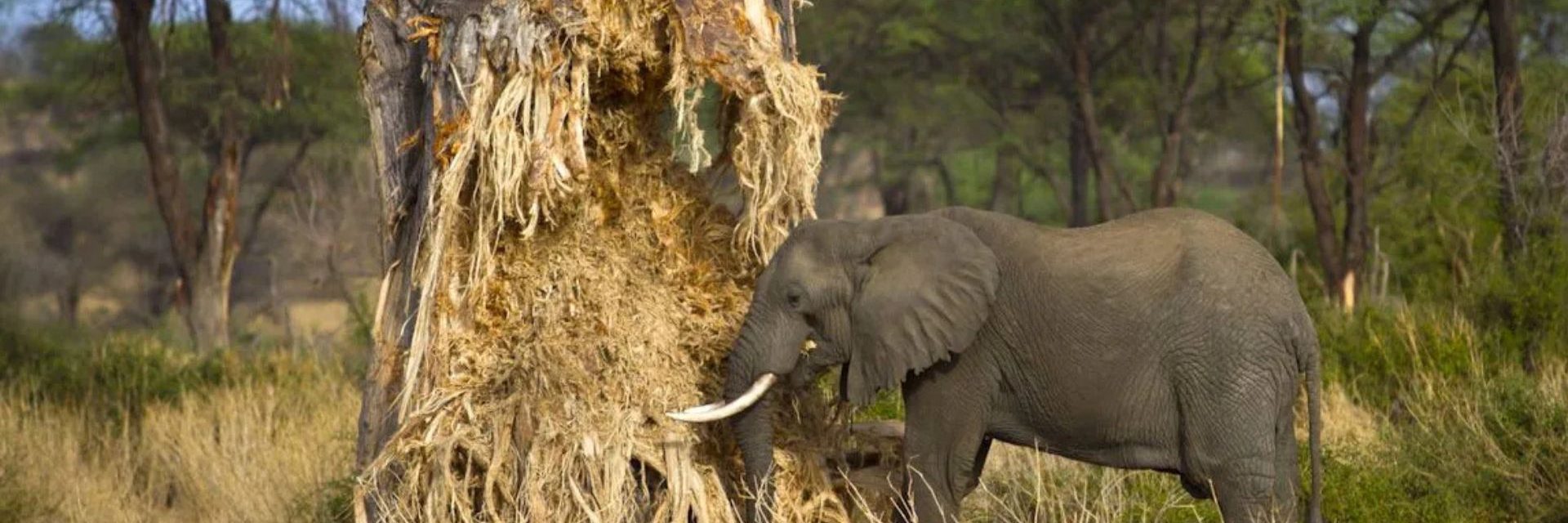
Gazetted in 1970, the park is best known for two things: its ancient, swollen-trunked baobab trees, some many centuries old, and its elephants — during the dry season (roughly June to October), herds numbering in the thousands migrate in from a huge surrounding area to drink and graze along the riverbanks, producing some of the highest elephant densities anywhere in East Africa.

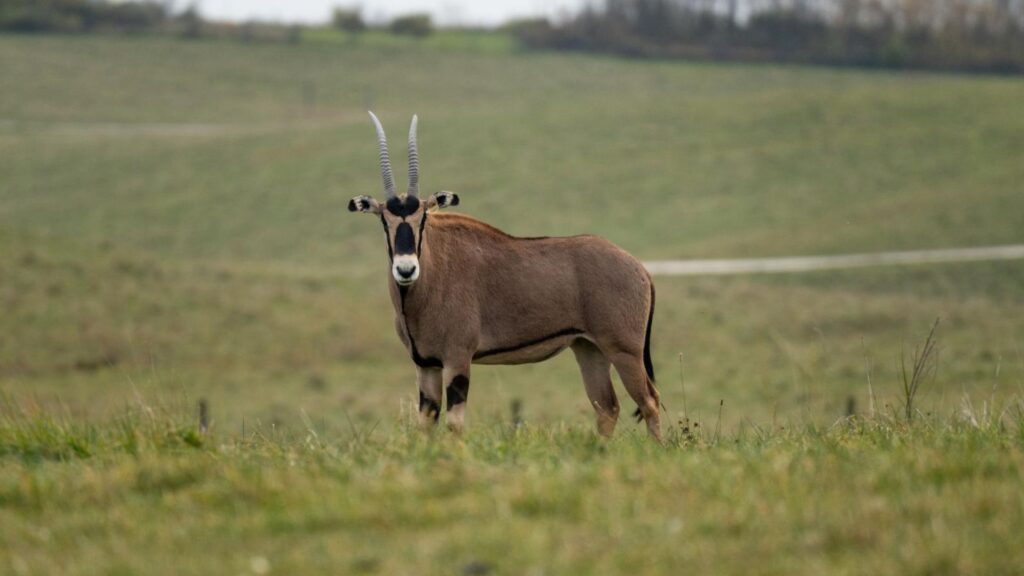
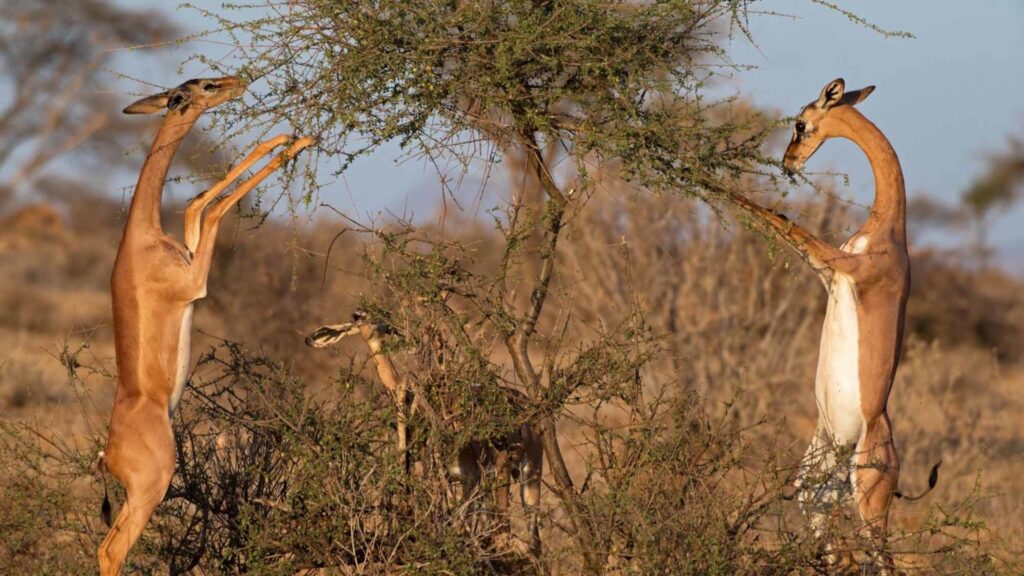
The terrain is a mix of acacia woodland, seasonal swamps, and open grassland studded with baobabs, rising gently from the river valley to low hills in the south. Beyond elephants, Tarangire is one of the few parks on the northern circuit where dry-country specialists like fringe-eared oryx and gerenuk are regularly seen.

Baobab in Tarangire

The Tarangire elephant cycle

Tap a season on the loop to track how Tarangire's wildlife moves between the wider ecosystem and the river.

December – March

Wet season — wildlife disperses

With seasonal pans and rivers full across the Simanjiro Plains and surrounding areas, elephants and other wildlife spread out far beyond the park boundaries. Game viewing is quieter, but the landscape is lush and green.

Good to know: elephant numbers along the river build gradually through the dry season and are most reliable from August through October, though family groups can be seen near the river year-round.

Who you'll meet among the baobabs

Tarangire holds one of the highest elephant densities in East Africa, and is one of the few northern-circuit parks where dry-country specialists rarely seen elsewhere are a regular sight.

African Bush Elephant

Lion

Leopard

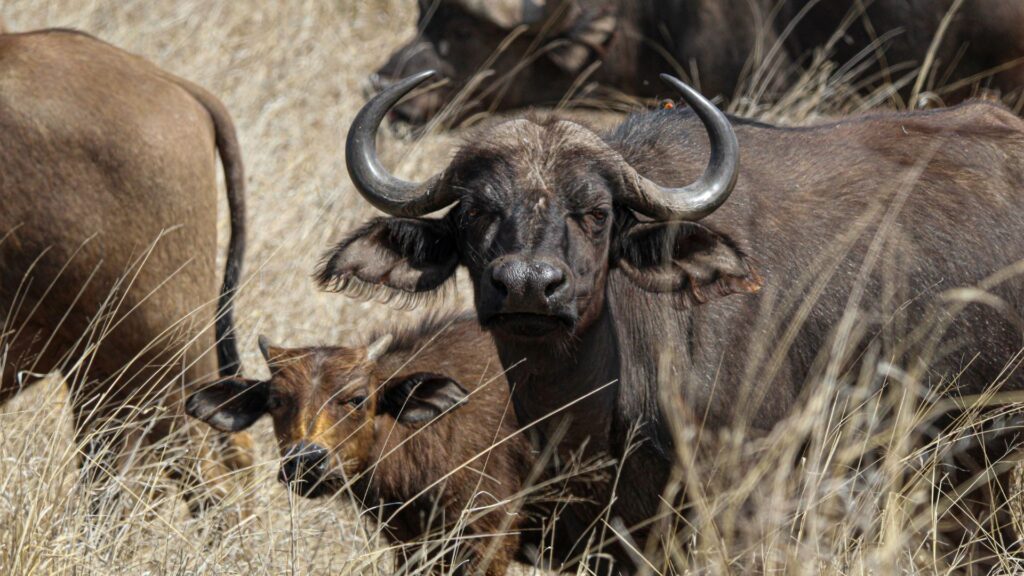
Cape Buffalo

Fringe-eared Oryx

Predator
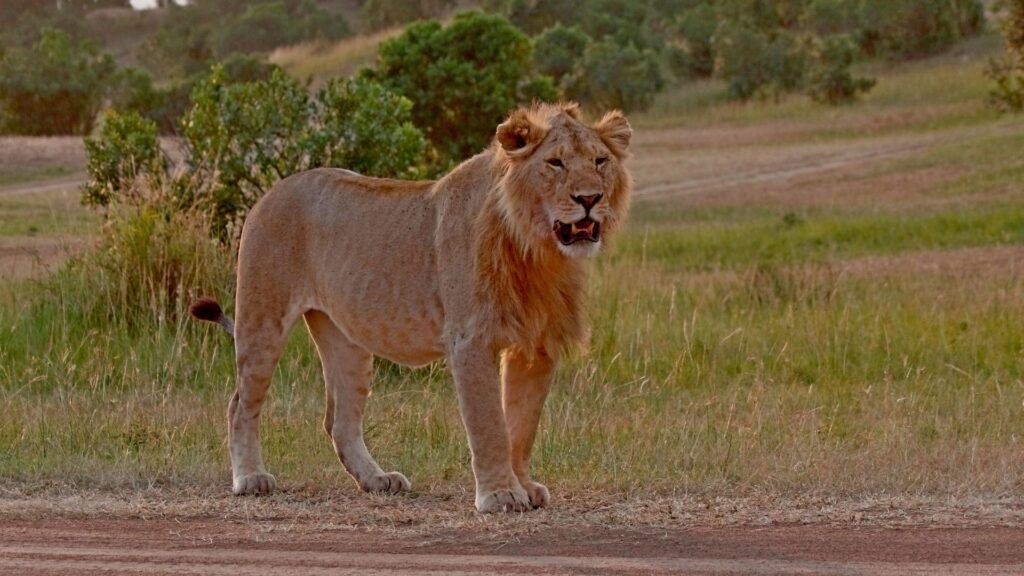
Lion
Panthera leo
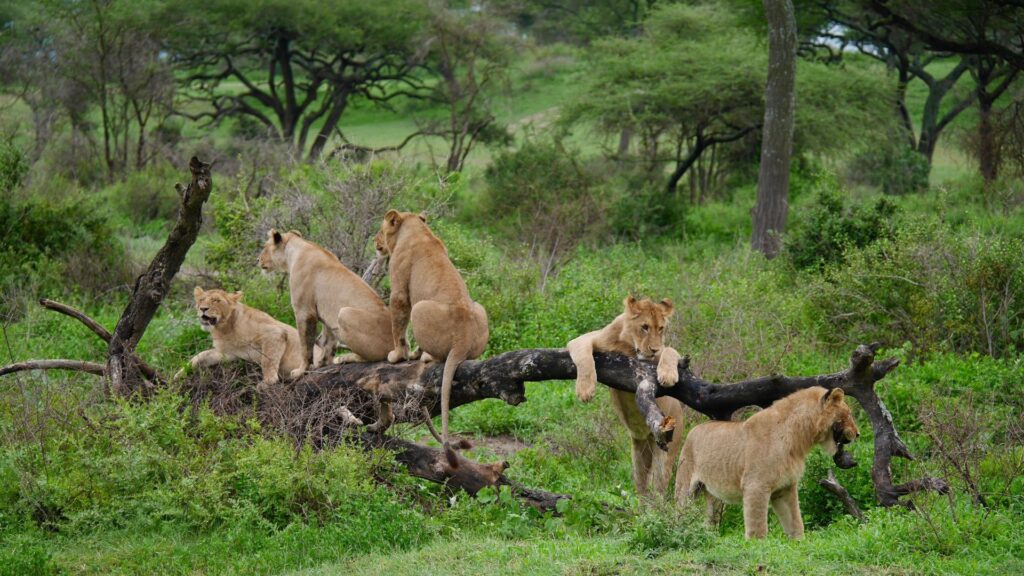
Tarangire’s lion prides are known for an unusual habit — occasionally climbing into baobab and acacia trees to rest.
Predator
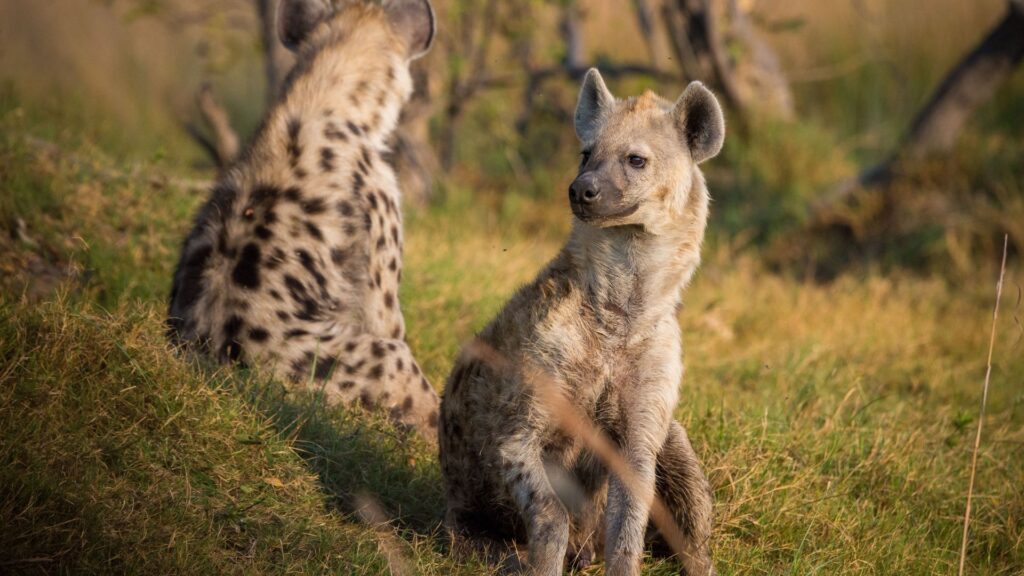
Spotted Hyena
Crocuta crocuta
Skilled hunters as much as scavengers, clans follow the dry-season herds along the river.
Predator
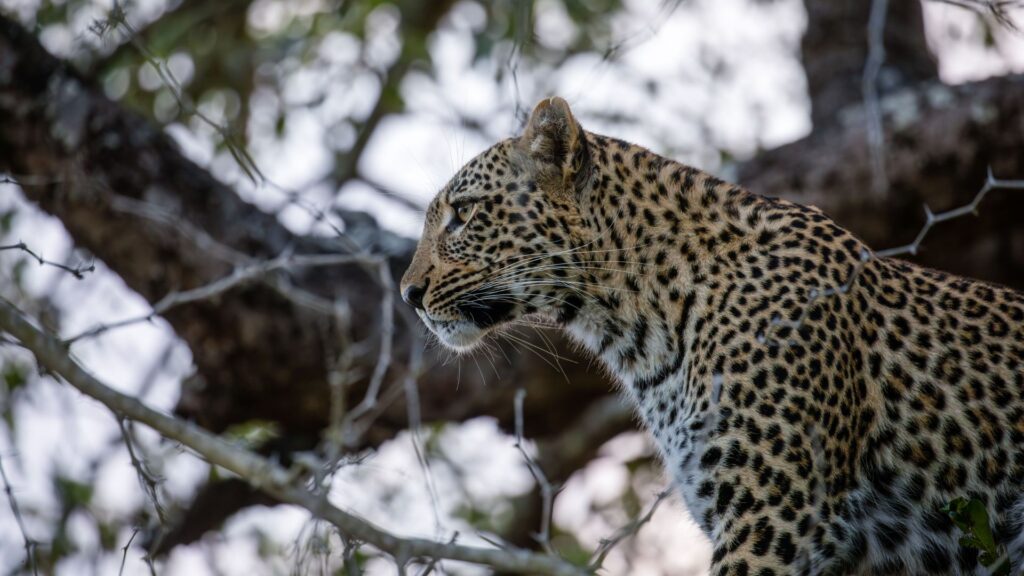
Leopard
Panthera pardus
Elusive and mostly nocturnal, leopards favour the dense riverine woodland along the Tarangire River.
Seasonal herbivore
African Bush Elephant
Loxodonta africana
Herds of several hundred gather along the river in the dry season — among the highest elephant densities in East Africa.
Dry-country specialist
Fringe-eared Oryx
Oryx beisa callotis
One of the few northern-circuit parks where this striking, arid-adapted antelope is regularly seen.
Dry-country specialist
Gerenuk
Litocranius walleri
This long-necked antelope browses standing on its hind legs and is a Tarangire specialty.
Herbivore
Cape Buffalo
Syncerus caffer
Large herds gather near permanent water, especially through the dry months.
Herbivore
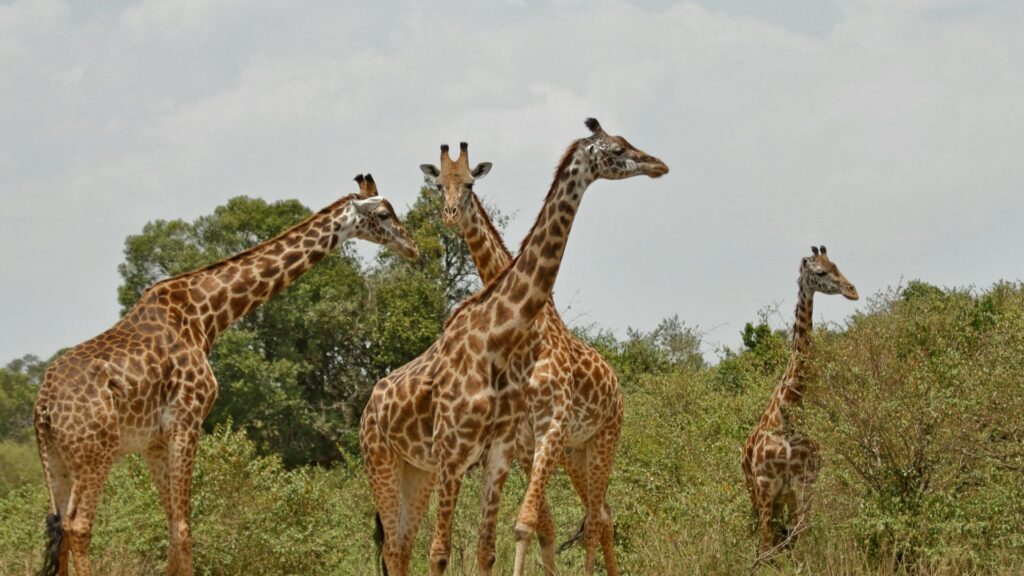
Maasai Giraffe
Giraffa tippelskirchi
Common throughout the park’s acacia woodland, often seen browsing among the baobabs.
Ancient flora
Baobab Tree
Adansonia digitata
Some of the park’s baobabs are estimated to be many centuries old, and define Tarangire’s signature scenery.
River wildlife
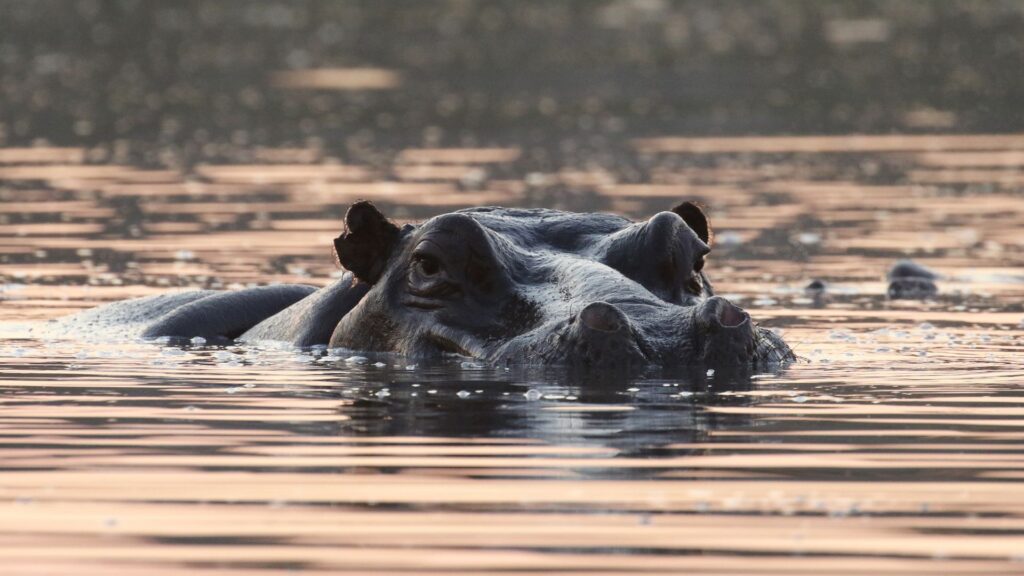
Hippopotamus
Hippopotamus amphibius
Resident pods occupy the permanent pools of the Tarangire River year-round.
Birdlife
550+ Bird Species
One of Tanzania’s premier birding parks, with hornbills, bee-eaters, and raptors among the highlights.
Baobab dweller
African Rock Python
Python sebae
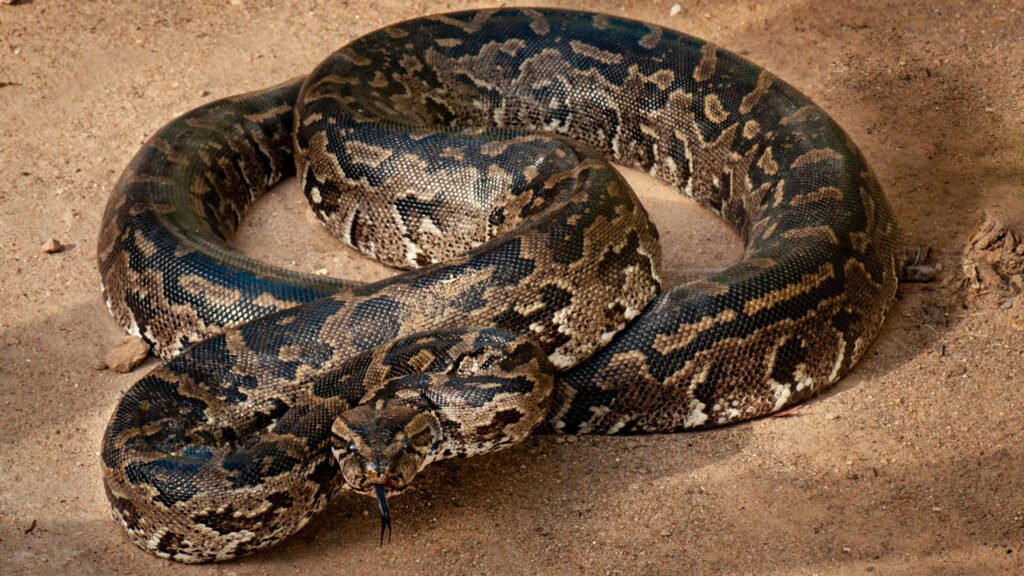
Tarangire’s large pythons are sometimes found coiled in the hollows of old baobab trees.

Four faces of Tarangire

The park and its surrounding ecosystem are loosely divided into distinct areas — pick a base according to what kind of experience you’re after.
tarangire baobabs and Giants
01

Tarangire River Valley & Silale Swamp

The park's permanent water source and its most reliable game-viewing area year-round, with the highest concentrations of elephant, buffalo, and predators during the dry season.

BEST FOR: DRY-SEASON ELEPHANTS · YEAR-ROUND GAME VIEWING
02

Central Woodlands & Baobab Plains

The classic Tarangire scenery — open acacia woodland studded with centuries-old baobab trees, popular for scenic game drives and photography.

BEST FOR: BAOBAB SCENERY · PHOTOGRAPHY
03

Remote South — Gursi & Mkungunero

Far fewer visitors reach the park's southern reaches, where dry-country wildlife and a genuine wilderness feel reward those who make the trip.

BEST FOR: FEWER CROWDS · REMOTE SAFARI FEEL
04

Wider Ecosystem — Manyara Ranch & Simanjiro Plains

Community and conservation lands bordering the park that form part of the wider Tarangire ecosystem — essential dry-season dispersal areas without which the park's elephant gatherings couldn't happen.

BEST FOR: WALKING SAFARIS · COMMUNITY CONSERVATION

When to visit

Tarangire rewards a dry-season visit more than most northern-circuit parks — that’s when its signature elephant gatherings happen — though every season has something to offer.
SeasonMonthsConditionsHighlights
Dry season / peak Aug - Oct Dry, dusty, reliably sunny — the classic safari season and the busiest. Peak elephant concentration along the river — the park's signature spectacle.
Building season Jun - Jul Rains easing, landscape still green; water sources beginning to dry. Herds start moving back toward the river; numbers building.
Short rains Nov - Dec Brief, often light afternoon showers. Migratory birds arrive; herds begin dispersing again; fewer crowds.
Transition Jan - Feb Warm, drier interlude between the rains. Good general game viewing before the long rains and before peak crowds.
Long rains / green season Mar - May Heaviest rainfall of the year; lush, quiet, and often much cheaper. Excellent birding, dramatic skies, lowest lodge rates.

Getting there & getting around

By air

  • Scheduled light-aircraft flights connect Arusha (ARK) and Kilimanjaro (JRO) to the Kuro/Tarangire airstrip in around 30–45 minutes.
  • Often booked on the same route as flights to Serengeti or Ngorongoro-area airstrips.

By road

  • Around a 2-hour drive from Arusha (roughly 118 km), making Tarangire an easy first or last stop on a northern-circuit safari.
  • Commonly combined with Lake Manyara and Ngorongoro Crater on the same road itinerary.

Main entry gates

  • Boundary Hill GateMain entrance, northern approach closest to Arusha
  • Kuro AirstripFly-in access point, roughly 30–45 minutes from Arusha

Inside the park

  • Game drives run between 6:00am and 6:00pm; night driving isn’t permitted inside the national park itself.
  • Speed limit is roughly 25–50 km/h depending on road; animals always have right of way.
  • Off-road driving, leaving your vehicle outside designated areas, and drones are all prohibited.

Park fees & rules, at a glance

Entry fees (non-resident foreign visitors)

  • Published TANAPA rates for adults have generally sat in the roughly US $60 per person, per 24 hours range in recent years, with children (5–15) around half that and under-5s free.
  • An 18% VAT typically applies on top of quoted rates.
  • Fees are reviewed periodically by TANAPA — always confirm current pricing directly with TANAPA or your operator before budgeting a trip.
  • Most package safaris and fly-in itineraries fold park fees into the overall price.

Park etiquette & rules

  • Stay inside your vehicle at all times except at designated picnic or rest areas.
  • Keep a respectful distance from wildlife — particularly elephant herds near the river.
  • Never feed or attempt to attract animals; keep noise (including music) to a minimum.
  • Carry nothing out and leave nothing behind — no plants, bones, or other natural objects.

Stavo Adventures itineraries in the Tarangire National Park

Where to stay

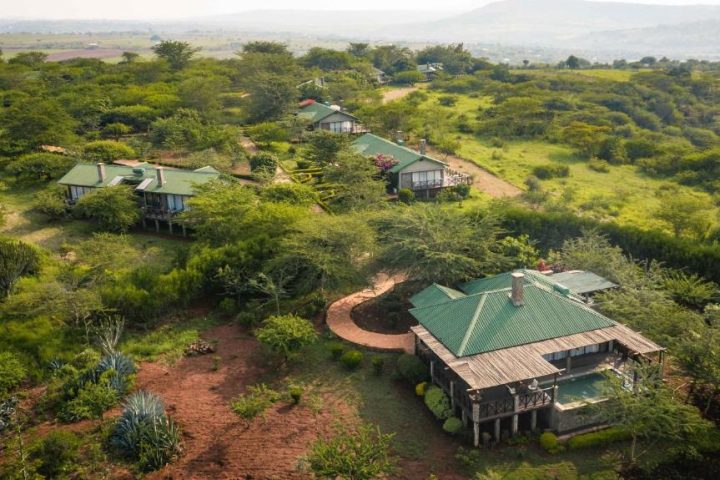
Lodges here range from relaxed, garden-set properties in nearby Karatu to rim-side luxury with sweeping views over the surrounding landscape.
Farm-of-Dreams-Lodge
Select
Farm of Dreams Lodge
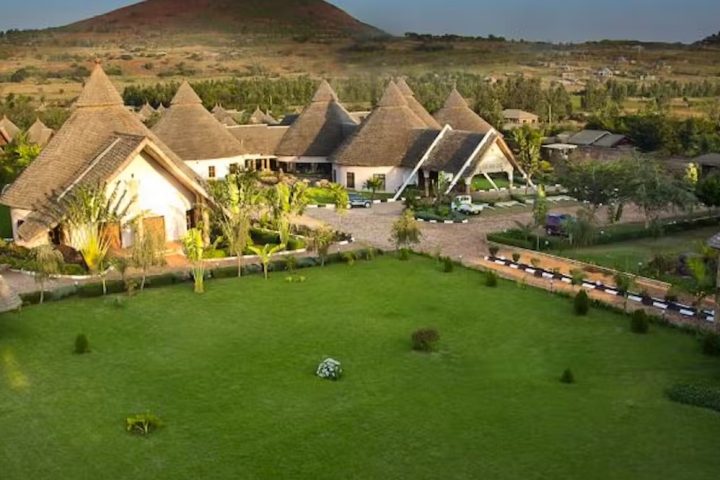
Farm of Dreams Lodge sits in Karatu’s garden setting, ideally placed for Tarangire, Ngorongoro, Lake Manyara, and Lake Eyasi, with warm, personalised service and produce grown in its own kitchen garden.
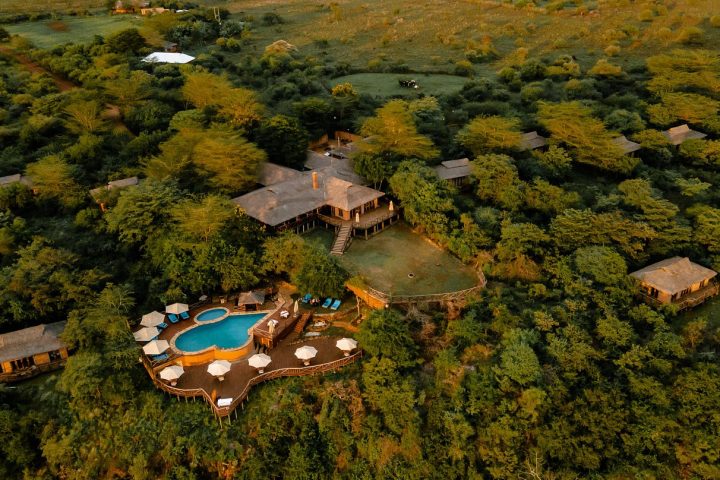
Escarpment Luxury Lodge
Reserve
Escarpment Luxury Lodge
Escarpment Luxury Lodge is perched on the Rift Valley escarpment near Lake Manyara, with private chalets and panoramic views — a comfortable base for exploring Tarangire on the same circuit.
ngorongoro oldeani mountain lodge
Private Collection
Ngorongoro Oldeani Mountain Lodge
Ngorongoro Oldeani Mountain Lodge is a five-star colonial-style property on Oldeani hill, with 360-degree views extending toward Lake Manyara and Lake Eyasi, and an easy run to both Tarangire and Ngorongoro Crater.

Before you go

A few practical notes to help you prepare for a Tarangire safari, from what to pack to what to expect on the ground.
What to pack
  • Neutral-toned clothing (khaki, olive, beige) — avoid bright colours, white, and dark blue/black, which attract tsetse flies (present in Tarangire’s woodlands).
  • Layers: mornings and open-vehicle game drives can be genuinely cold, even though days warm up fast.
  • A wide-brimmed hat, sunglasses, and high-SPF sunscreen — the equatorial sun is intense even when it’s cool.
  • Binoculars — especially useful for spotting dry-country specialists like oryx and gerenuk.
  • Insect repellent and anti-malarial precautions, as advised by a travel clinic.
  • A dust-proof bag or cover for cameras and electronics on dry-season game drives.
Health & documents
  • A yellow fever vaccination certificate is required for travellers arriving from, or having transited, certain countries — check current Tanzanian entry requirements before you fly.
  • Malaria is present in the region; consult a doctor about prophylaxis well before departure.
  • A valid passport (with the validity/blank-page margin your airline requires) and Tanzanian visa, arranged in advance or on arrival depending on nationality.
  • Travel insurance that explicitly covers safari activities and medical evacuation is strongly recommended.
Money & connectivity
  • US dollars (cash, newer notes) and international cards are both commonly used for park fees and lodges — confirm accepted methods with your operator ahead of time.
  • Mobile signal is limited across most of the park; most lodges offer limited Wi-Fi at best.
  • Tipping guides and camp staff is customary; ask your operator for typical local guidance.
Getting the most from a visit
  • Visit between August and October for the most reliable, high-density elephant viewing along the river.
  • Ask about guided walking safaris in the surrounding community conservation areas — something not possible inside most northern-circuit parks.
  • Combine with Lake Manyara and Ngorongoro Crater for a fuller northern-circuit itinerary.
  • Golden hour among the baobabs is a signature photography opportunity — build it into your game-drive timing.