
 Dutch
Dutch Spanish
 French
 Russian
 Chinese
Uhuru Peak — Africa's highest point
National park established (UNESCO since 1987)
Official climbing routes to the summit
Mount Kilimanjaro rises in northern Tanzania near the town of Moshi, its summit, Uhuru Peak, standing at 5,895 metres — the highest point in Africa and the tallest free-standing mountain on Earth, unattached to any surrounding range. A dormant stratovolcano with three cones (Kibo, Mawenzi, and Shira), Kilimanjaro was gazetted as a national park in 1973 and inscribed as a UNESCO World Heritage Site in 1987.
What makes Kilimanjaro genuinely unique among the world’s great trekking peaks is that it demands no technical climbing skill at all — just sustained fitness, careful acclimatization, and the will to keep walking. In exchange, climbers pass through five distinct climate zones in a single trek: cultivated lower slopes, dense montane rainforest, heath and moorland, alpine desert, and finally an arctic summit zone of rock, ice, and thin air.
Seven official routes reach Uhuru Peak, each with its own character, difficulty, and success rate — explore the comparison below, or use our calculator to get a feel for cost and duration before speaking with us.
Get an indicative cost and summit success estimate for your climb. Figures are approximate guides only — your final quote will depend on operator, season, and exact itinerary.
Duration: 5–6 days
Difficulty: Moderate
Scenery: Saddle plateau, Mawenzi views; least varied scenery
Success rate: 48–65%
Crowds: High — popular with first-timers
Best for: Beginners wanting hut accommodation and the shortest budget option
Duration: 6–7 days
Difficulty: Moderate–Challenging
Scenery: Shira Plateau, Lava Tower, Barranco Wall
Success rate: 85–90%
Crowds: High — the most popular route
Best for: First-time climbers wanting strong scenery with solid success odds
Duration: 7–8 days
Difficulty: Moderate
Scenery: Remote western forest, widest views of the summit
Success rate: 90–95%
Crowds: Low on the first two days, busier once it joins Machame
Best for: Climbers prioritising scenery, solitude, and a high success rate
Duration: 7–8 days
Difficulty: Moderate
Scenery: Shira Plateau and ridge; less acclimatization on day one
Success rate: 85–90%
Crowds: Low–Moderate
Best for: Climbers who want Lemosho-style scenery on a slightly shorter itinerary
Duration: 6–7 days
Difficulty: Moderate
Scenery: Drier northern slopes, Kenyan border views
Success rate: 80–88%
Crowds: Low — the quietest popular route
Best for: Climbers visiting in the wetter months, seeking a drier route
Duration: 6 days
Difficulty: Challenging – Difficult
Scenery: Steep forest ridge, dramatic and direct
Success rate: 70%
Crowds: Very low
Best for: Experienced, fit trekkers prioritising a direct, quiet ascent
Duration: 8–9 days
Difficulty: Moderate
Scenery: Circles the entire mountain; widest variety of views
Success rate: 95–98%
Crowds: Very low — the least-crowded route
Best for: Climbers with extra time who want the highest possible success rate
| Season | Months | Conditions | Highlights |
|---|---|---|---|
| Dry season (main) | Jun - Oct | Clear skies, stable weather, minimal precipitation. | The busiest and most reliable climbing window of the year. |
| Dry season (secondary) | Jan - Mar (early) | Clear, cold, with the best summit visibility of the year. | A quieter alternative to the June–October peak; excellent views. |
| Long rains | Mar (late) - May | Heaviest rainfall of the year; heavy snow possible at the summit. | Generally avoided by climbers; some routes close briefly in the worst weather. |
| Short rains | Nov - Dec (early) | Showers during the day; mornings and nights often stay clear. | A shoulder-season option with noticeably fewer climbers. |
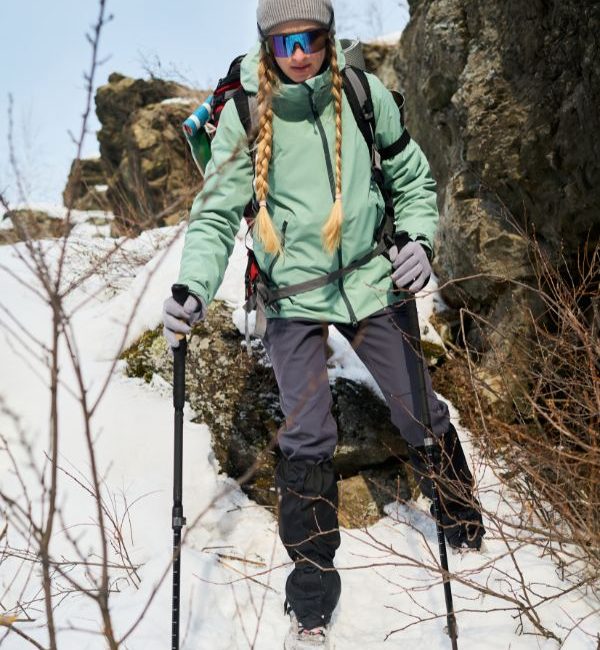
No technical climbing skills are required — Kilimanjaro is a long, high-altitude walk, not a technical ascent. Good general fitness, mental determination, and proper acclimatization matter far more than prior climbing experience.
The Northern Circuit (8–9 days) has the highest typical success rate, often quoted above 95%, followed closely by Lemosho. Both give climbers the most time to acclimatize before the summit push.
Marangu is the only route with mountain huts (dorm-style beds, shared facilities). Every other route — Machame, Lemosho, Shira, Rongai, Umbwe, and the Northern Circuit — uses tented camping at designated sites, with your crew pitching camp each day.
Temperatures at the summit commonly drop to -15°C to -20°C (5°F to -4°F) or colder, especially with wind chill. Proper layered clothing and a warm sleeping bag rated for sub-zero conditions are essential.
Yes — altitude, not fitness, is the main reason climbers don't reach the summit. Choosing a longer route, ascending slowly, staying hydrated, and discussing preventive medication (such as Diamox) with a travel doctor beforehand all meaningfully improve your odds.
TANAPA's official minimum age is 10 years old, though most operators recommend climbers be at least mid-teens for a realistic chance of managing the altitude and physical demands comfortably.
Tipping guides, porters, and cooks is customary and forms a meaningful part of their income. Typical guidance is in the region of US $20–$25 per day for guides and $10–$15 per day for porters and cooks, though your operator will provide specific recommendations.
Yes — Kilimanjaro pairs naturally with a northern-circuit safari to Serengeti, Ngorongoro, Tarangire, or Lake Manyara, either before the climb to acclimatize at altitude in the Ngorongoro Highlands, or after to recover.