Ndutu Plains

the plains where new life begins
Discover Ndutu Plains: a premier spot for the Great Migration, known for incredible predator sightings and calving season.

1,700m

Elevation above sea level

Dec - Mar

Peak calving season window

500,000+

Wildebeest calves born each season

The Serengeti's southern nursery

Ndutu lies on the southeastern edge of the Serengeti ecosystem, around the shores of Lake Ndutu and Lake Masek. Although it feels like part of the Serengeti, the area actually falls within the Ngorongoro Conservation Area rather than Serengeti National Park itself — a distinction that matters, since it means night game drives and walking safaris are both permitted here, unlike inside the national park proper.

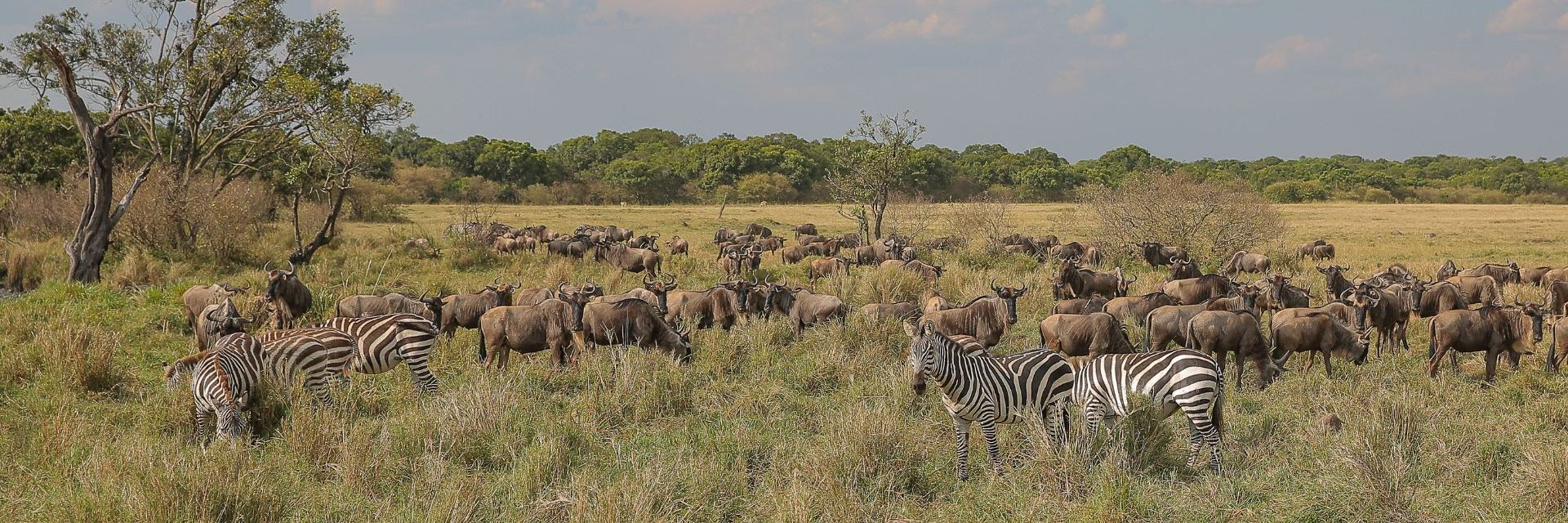
Ndutu’s short-grass plains sit on nutrient-rich volcanic ash soil from the Ngorongoro highlands, producing exactly the kind of nutritious grass wildebeest need for calving. Each year, roughly 500,000 calves are born here within a few concentrated weeks between December and March — one of the most spectacular wildlife events on the planet, and a magnet for predators of every kind.

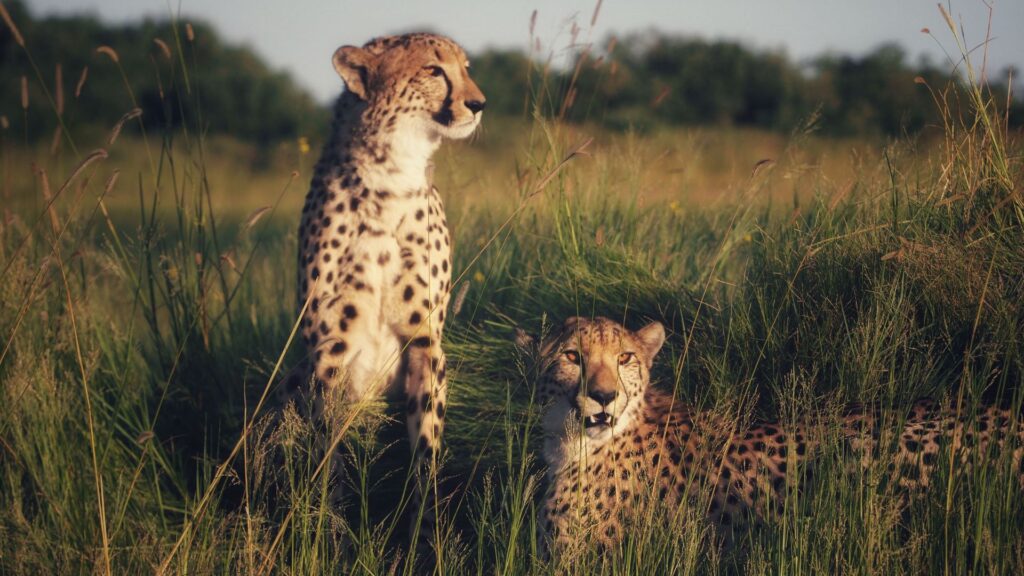
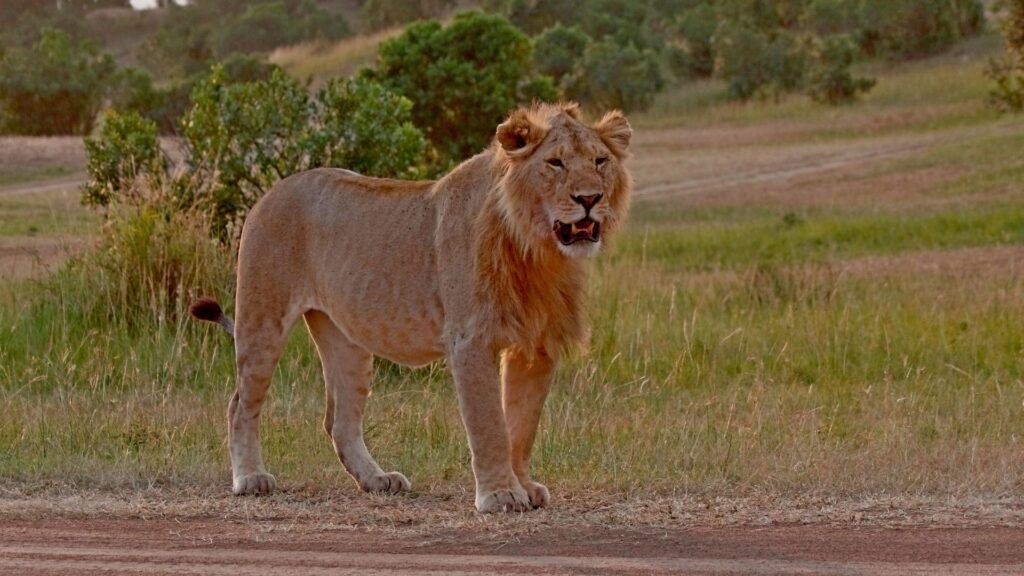
Beyond the calving season, Ndutu holds resident lion prides and some of the best year-round cheetah viewing in the entire ecosystem, thanks to the open plains these speed-hunting cats favour.
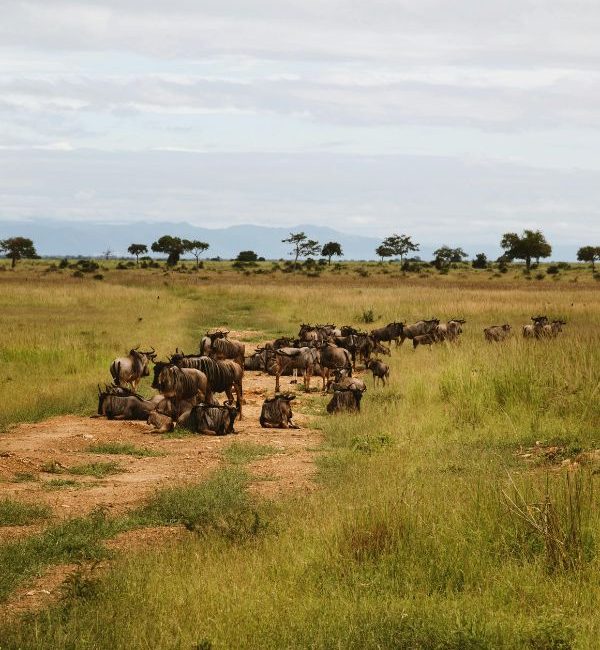
Wildebeest Calves

The Ndutu calving cycle

Tap a season on the loop to track the herds through Ndutu's part of the annual migration.

November

The herds return south

Short rains draw the migratory herds back down onto the Ndutu plains, ahead of the calving season to come.

Good to know: because Ndutu falls within the Ngorongoro Conservation Area rather than Serengeti National Park itself, it’s one of the few places in the ecosystem where night game drives and walking safaris are both permitted.
Who you'll meet on the calving plains

Ndutu’s short-grass plains are the engine room of the Great Migration’s calving season, and home to some of the ecosystem’s best year-round predator viewing.

Blue Wildebeest

Lion

Cheetah

Golden Jackal

White-backed Vulture

Migratory herbivore
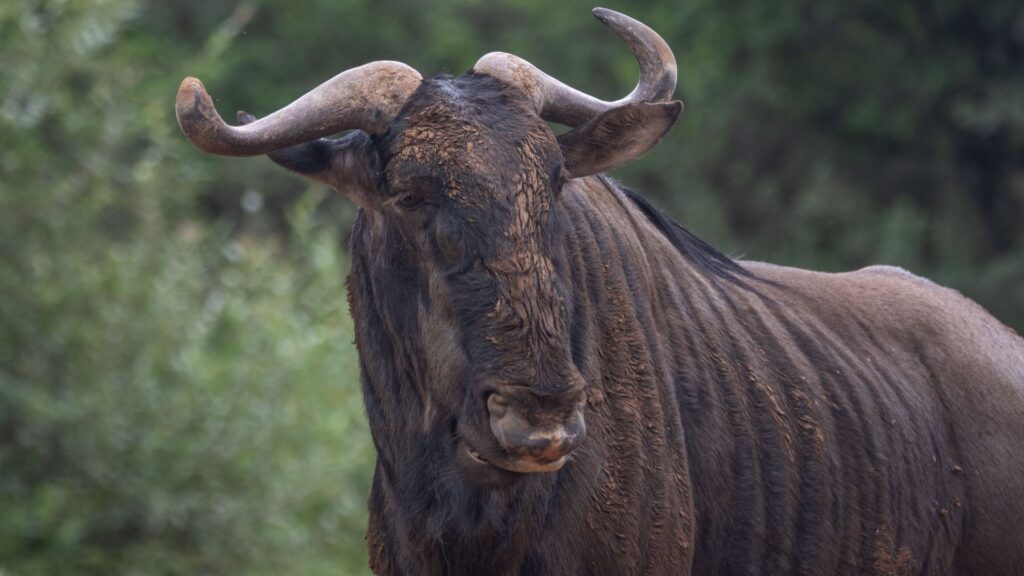
Blue Wildebeest
Connochaetes taurinus
Roughly 500,000 calves are born on Ndutu’s short-grass plains within a few concentrated weeks each year — the heart of the Great Migration’s calving season.
Predator
Lion
Panthera leo
Resident prides are joined by additional lions during calving season, drawn by the sheer abundance of vulnerable newborn calves.
Predator
Cheetah
Acinonyx jubatus
Ndutu’s open, short-grass plains are considered some of the best cheetah habitat in the entire Serengeti ecosystem.
Predator
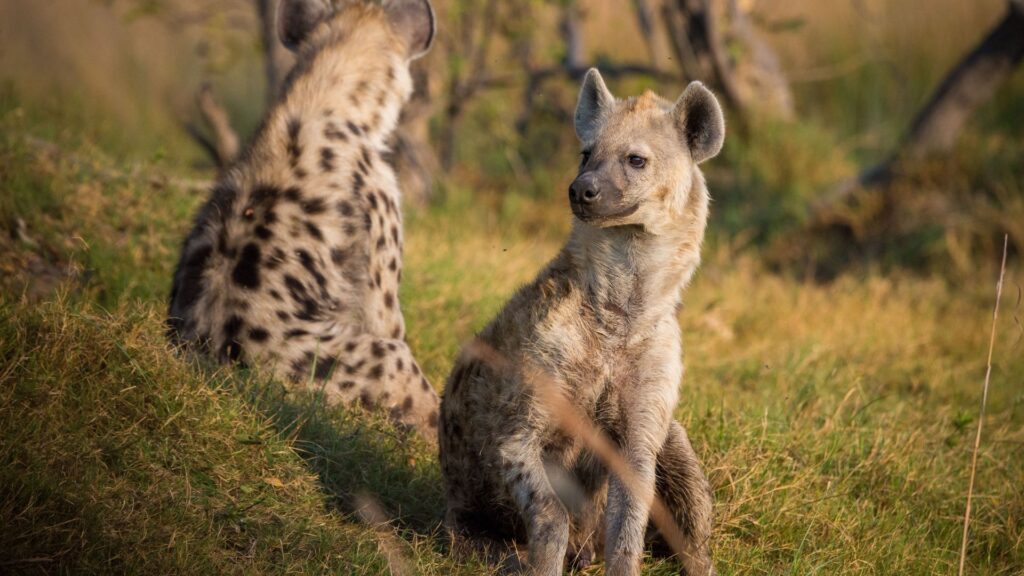
Spotted Hyena
Crocuta crocuta
Large clans capitalise on calving season abundance, alongside their usual scavenging role.
Small predator
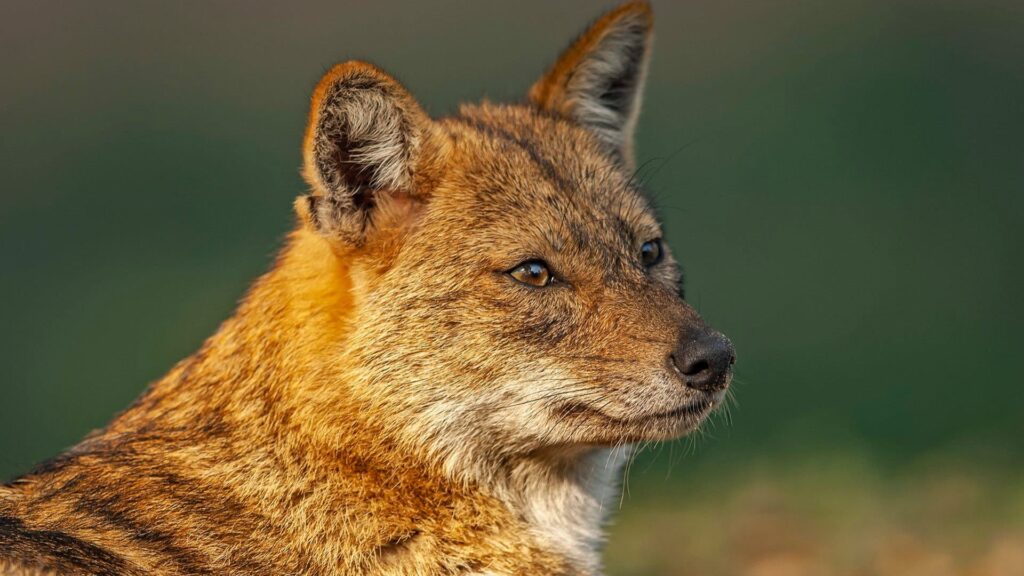
Golden Jackal
Canis aureus
Frequently seen hunting newborn calves alongside the ecosystem’s larger predators during calving season.
Migratory herbivore
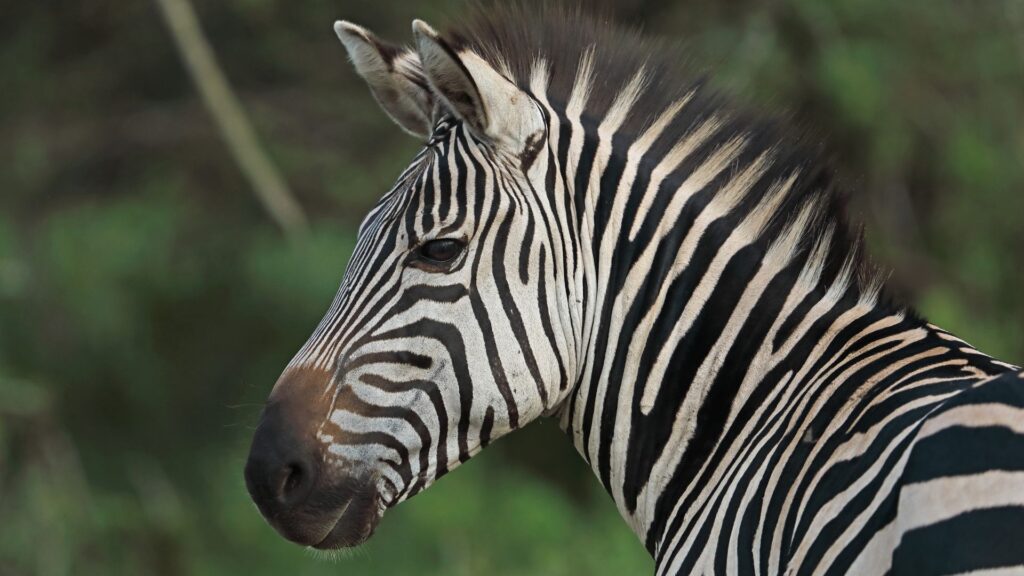
Plains Zebra
Equus quagga
Zebra herds move alongside the wildebeest, often arriving on the plains slightly ahead of the main calving rush.

Four faces of Ndutu

The area divides into a few distinct zones — pick a focus depending on the season and experience you’re after.
ndutu plains
01

Lake Ndutu & the Short-Grass Plains

The core calving grounds, where nutrient-rich volcanic soils and open terrain make for the migration's most concentrated wildlife spectacle.

BEST FOR: CALVING SEASON · PREDATOR ACTION
02

Lake Masek

A freshwater lake close by, home to several of Ndutu's best-known safari camps and a good base for exploring the wider area.

BEST FOR: LODGES · EASY ACCESS
03

Ndutu Woodlands

A transition zone of acacia woodland bordering the open plains, offering good leopard habitat and a change of scenery from the grasslands.

BEST FOR: LEOPARD SIGHTINGS · VARIED HABITAT
04

Gol Kopjes & the Eastern Plains

Dramatic granite outcrops rising from the plains toward the Serengeti boundary — a quieter, less-visited corner of the ecosystem.

BEST FOR: FEWER CROWDS · SCENERY

When to visit

Ndutu is at its most spectacular during calving season, but the quieter resident season offers excellent value and a different kind of wildlife experience.
SeasonMonthsConditionsHighlights
Calving season peak Jan - Feb Warm and mostly dry, with short-grass plains at their greenest. Peak calving activity and the most intense predator action of the year — book well ahead.
Herds arrive Nov - Dec Short rains bring the migratory herds back onto the plains. Building excitement ahead of the calving peak; slightly fewer crowds than peak season.
Dispersal Mar Plains beginning to dry as the season transitions. Calves growing stronger; herds starting to loosen into moving columns.
Herds move north Apr - May Long rains; the bulk of the migration moves on toward central Serengeti. Quieter, lush scenery with lower lodge rates as wildebeest numbers thin out.
Quiet resident season Jun - Oct Dry and clear, with the migratory herds largely absent. Excellent resident lion and cheetah viewing, with noticeably fewer visitors.

Getting there & getting around

By air

  • Ndutu Airstrip serves the area directly, roughly 30–40 minutes by air from Arusha-area airstrips and about 20 minutes from Seronera in central Serengeti.
  • A convenient stop on multi-leg fly-in itineraries connecting Ngorongoro, Serengeti, and the wider northern circuit.

By road

  • Around a 4–5 hour drive from Arusha via Ngorongoro Crater and the Conservation Area’s southern plains.
  • Commonly combined with Ngorongoro Crater and central or southern Serengeti as part of a single road itinerary.

Main access points

  • Naabi Hill GateBoundary gate between the Ngorongoro Conservation Area and Serengeti National Park
  • Ndutu AirstripDirect fly-in access point serving the Ndutu area

Inside the area

  • Because Ndutu sits within the Ngorongoro Conservation Area, night game drives and guided walking safaris are both permitted here — unlike inside Serengeti National Park itself.
  • Off-road driving is generally discouraged even where permitted, to protect the delicate short-grass plains during calving season.
  • Roads can be soft and dusty during calving season; a good 4×4 is essential.

Fees & rules, at a glance

Entry fees (non-resident foreign visitors)

  • Because Ndutu falls within the Ngorongoro Conservation Area, standard NCA conservation fees apply rather than separate Serengeti National Park rates — generally in the roughly US $70–80 per person, per 24 hours range in recent years.
  • An 18% VAT typically applies on top of quoted rates, and fees are reviewed periodically — always confirm current pricing with the Ngorongoro Conservation Area Authority or your operator.
  • Most package safaris fold these fees into the overall itinerary price.

Park etiquette & rules

  • Stay inside your vehicle at all times except at designated picnic or rest areas, or during guided walks.
  • Keep a respectful distance from predators, especially during calving season when activity is intense.
  • Never feed or attempt to attract animals; keep noise to a minimum.
  • Respect Maasai communities living within the Conservation Area.

Stavo Adventures itineraries in the Ndutu Plains

Where to stay

Ndutu’s camps sit right on the calving plains or beside Lake Masek, ranging from comfortable tented camps to some of the most sought-after seasonal camps in the ecosystem.
Select
Ndutu Bush Camp
Ndutu Bush Camp offers classic, comfortable tented accommodation right on the calving plains, with easy access to the heart of the action during calving season.
Reserve
Lake Masek Tented Camp
Lake Masek Tented Camp sits directly on the shore of Lake Masek, combining spacious tents with a prime location for both calving-season game drives and year-round resident wildlife.
Private Collection
Serengeti Under Canvas
Serengeti Under Canvas is a mobile luxury camp that relocates with the migration, offering an exclusive, high-end tented experience at the heart of Ndutu during calving season.

Before you go

A few practical notes to help you prepare for a Ndutu safari, from what to pack to what to expect on the ground.
What to pack
  • Neutral-toned clothing (khaki, olive, beige) for game drives.
  • Layers — early morning game drives at this elevation can be genuinely cold, even in the middle of calving season.
  • A wide-brimmed hat, sunglasses, and high-SPF sunscreen.
  • Binoculars — essential for following predator action across the open plains.
  • A dust mask or scarf for dry-season game drives, when roads can be very dusty.
Health & documents
  • A yellow fever vaccination certificate is required for travellers arriving from, or having transited, certain countries — check current Tanzanian entry requirements before you fly.
  • Malaria is present in the region; consult a doctor about prophylaxis well before departure.
  • A valid passport (with the validity/blank-page margin your airline requires) and Tanzanian visa, arranged in advance or on arrival depending on nationality.
  • Travel insurance that explicitly covers safari activities and medical evacuation is strongly recommended.
Money & connectivity
  • US dollars (cash, newer notes) and international cards are both commonly used for fees and lodges — confirm accepted methods with your operator ahead of time.
  • Mobile signal is limited to non-existent across most of the Ndutu plains.
  • Tipping guides and camp staff is customary; ask your operator for typical local guidance.
Getting the most from a visit
  • Book well in advance for calving season (January–February) — the best camps sell out months ahead.
  • Ask about a night game drive or guided walk — both are rare privileges available here but not inside Serengeti National Park itself.
  • Combine with Ngorongoro Crater and central or southern Serengeti for a fuller migration-season itinerary.
  • Visit outside calving season (June–October) for excellent resident predator viewing with far fewer crowds.