Dutch
Dutch Spanish
 French
 Russian
 Chinese
Park area (5,700 sq mi)
National park established
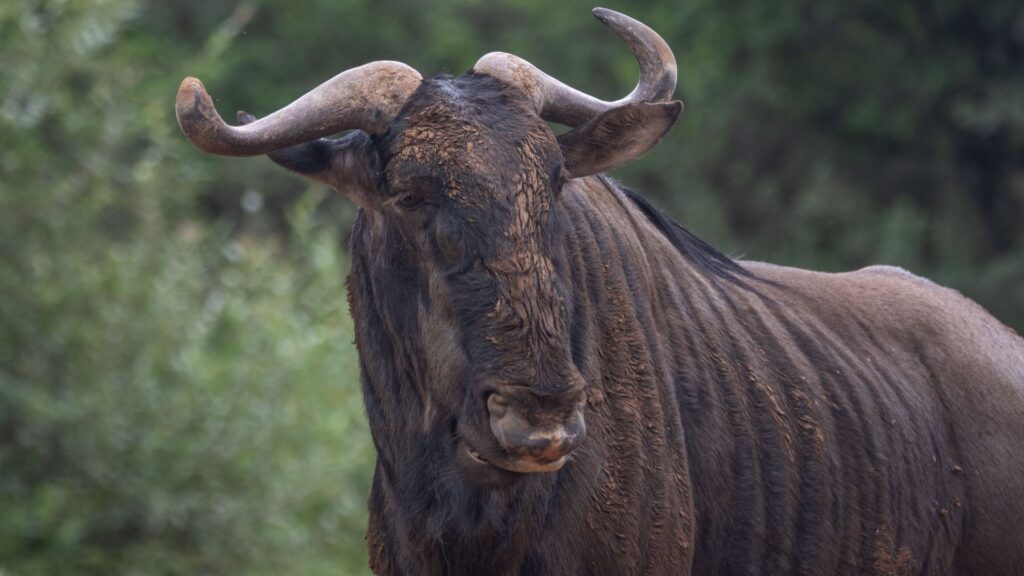
Wildebeest on migration
Serengeti National Park sits in northern Tanzania, stretching from the Ngorongoro Highlands in the southeast to Lake Victoria in the west and the Kenyan border in the north. Its name is widely traced to the Maasai word siringet, “the place where the land runs on forever” — a fair description of its near-treeless southern plains, which run to the horizon in every direction.
Gazetted in 1951 and inscribed as a UNESCO World Heritage Site in 1981, the park protects the core of the wider Serengeti ecosystem, an intact web of national park, game reserves and conservation areas covering roughly 25,000–30,000 km² across Tanzania and Kenya. Unlike many reserves, it has no internal fences, which is precisely what allows its defining event — the Great Migration — to happen at all.
Altitudes range from about 920 to 1,850 metres, and the landscape shifts dramatically across the park: treeless volcanic grassland in the south, riverine forest and woodland along the Grumeti and Mbalageti rivers in the west, and open Commiphora woodland and granite kopjes in the north, near the Mara River.
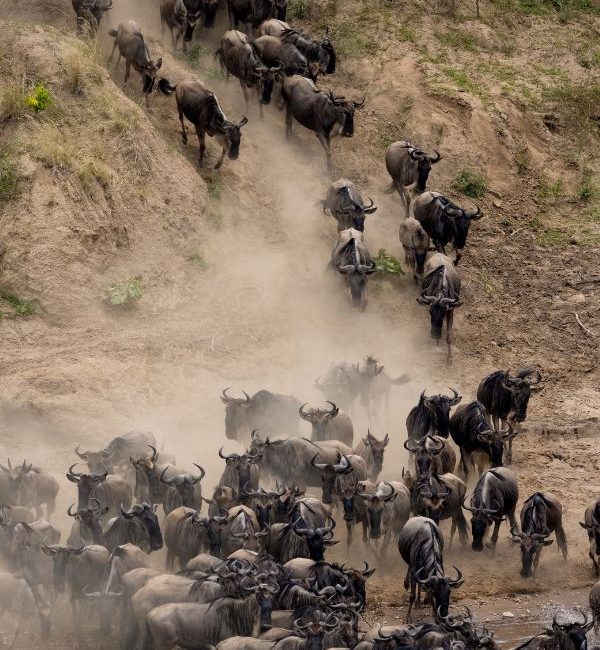
Tap a season on the loop to track the continuous journey of over 1.5 million wildebeest across the Serengeti ecosystem.
The herds gather on the short-grass plains around Ndutu and Naabi Hill. Some 500,000 calves are born in a few concentrated weeks, drawing dense predator activity.
Good to know: the migration follows rainfall, not the calendar — exact timing shifts year to year. Treat these windows as reliable ranges, and ask your operator or lodge for the herds’ current position before finalising an itinerary.
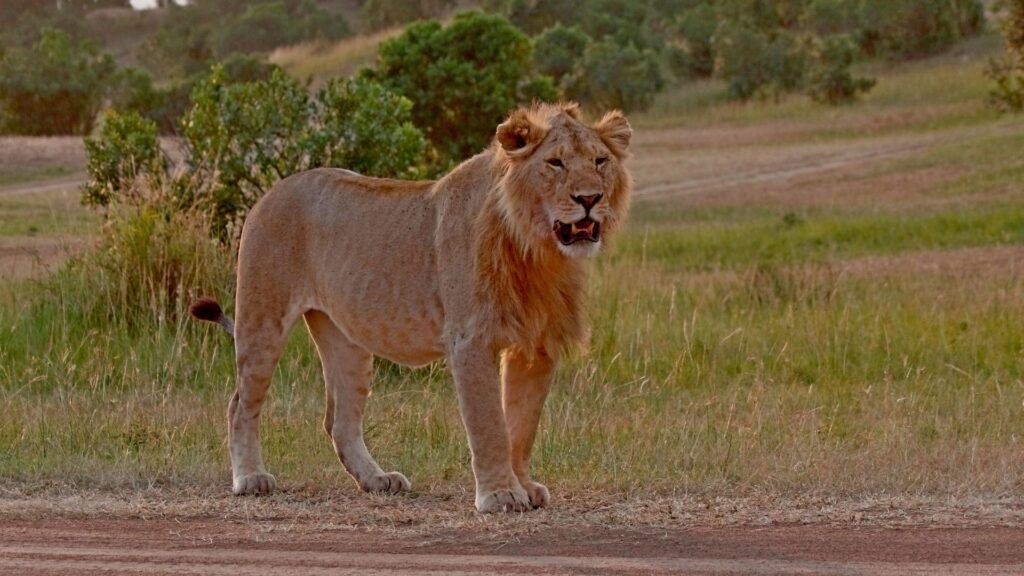
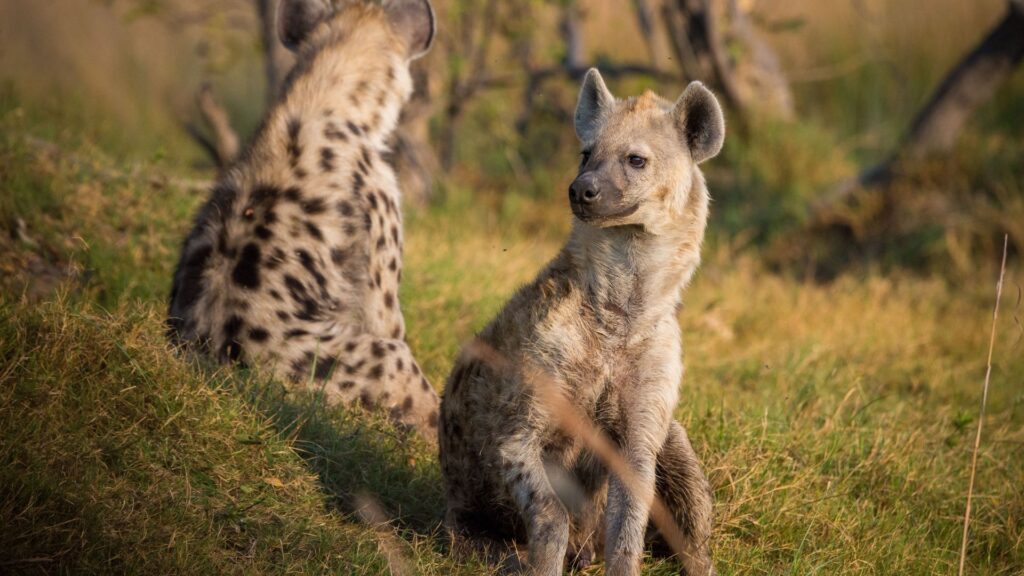
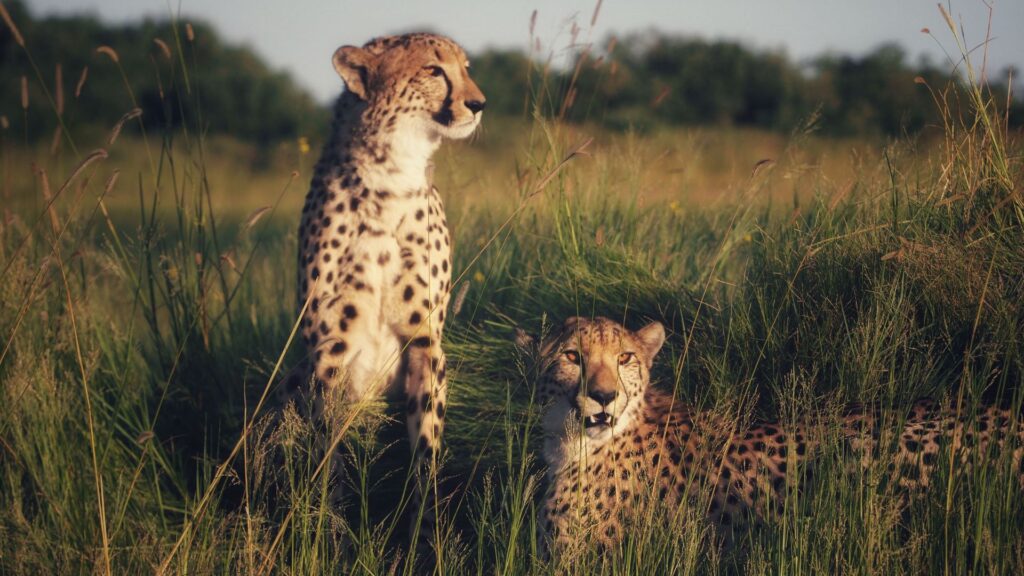
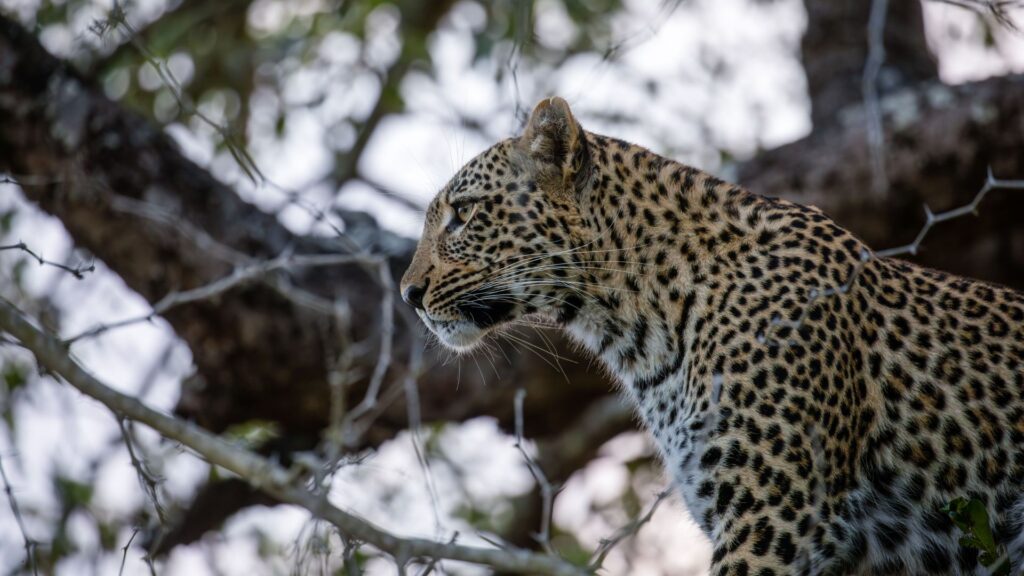
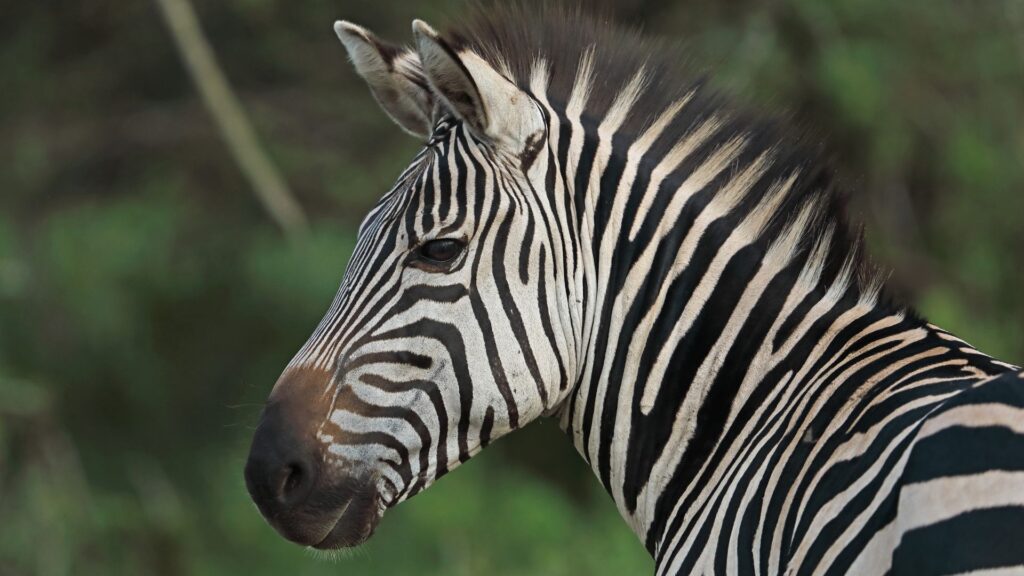
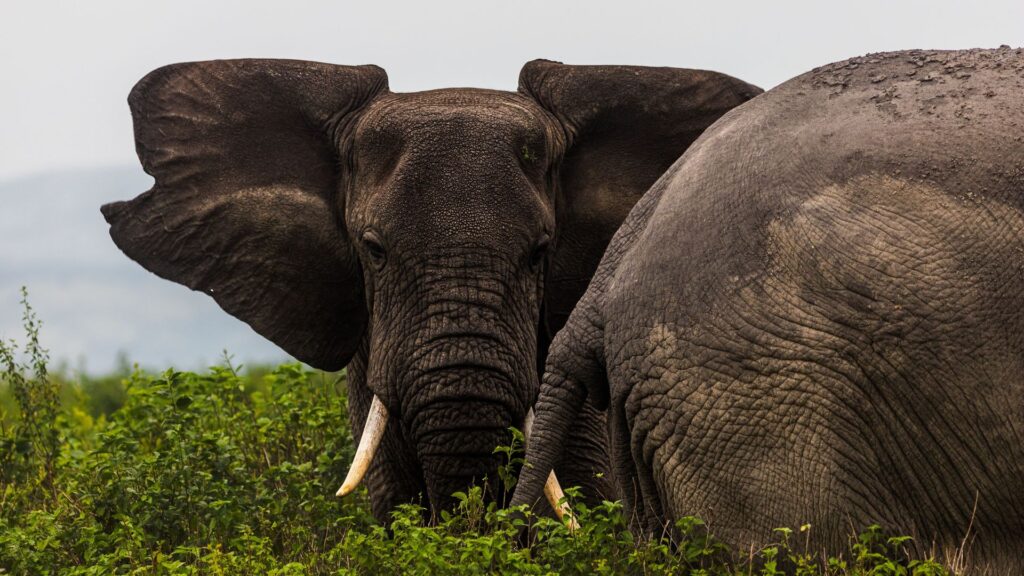
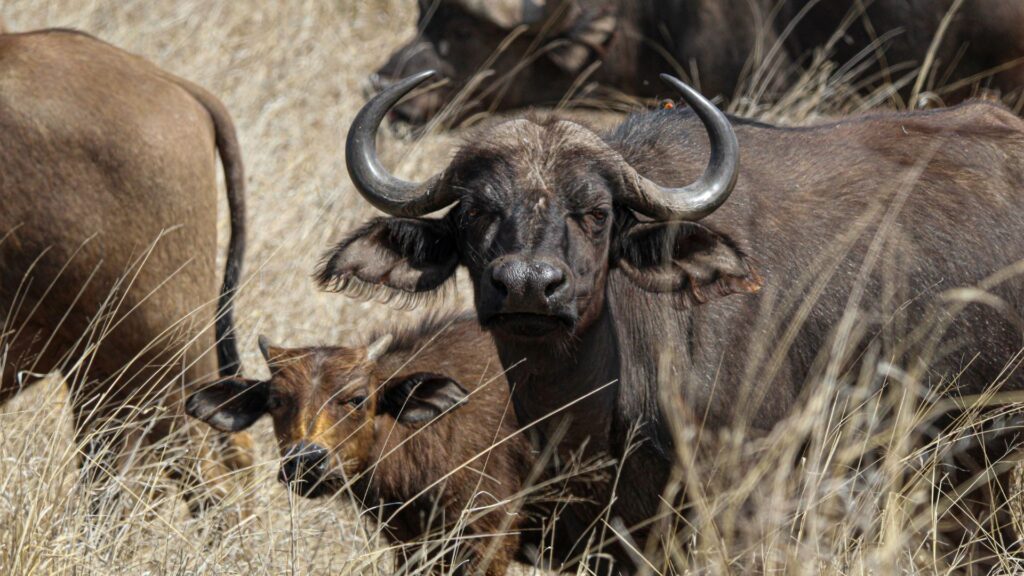
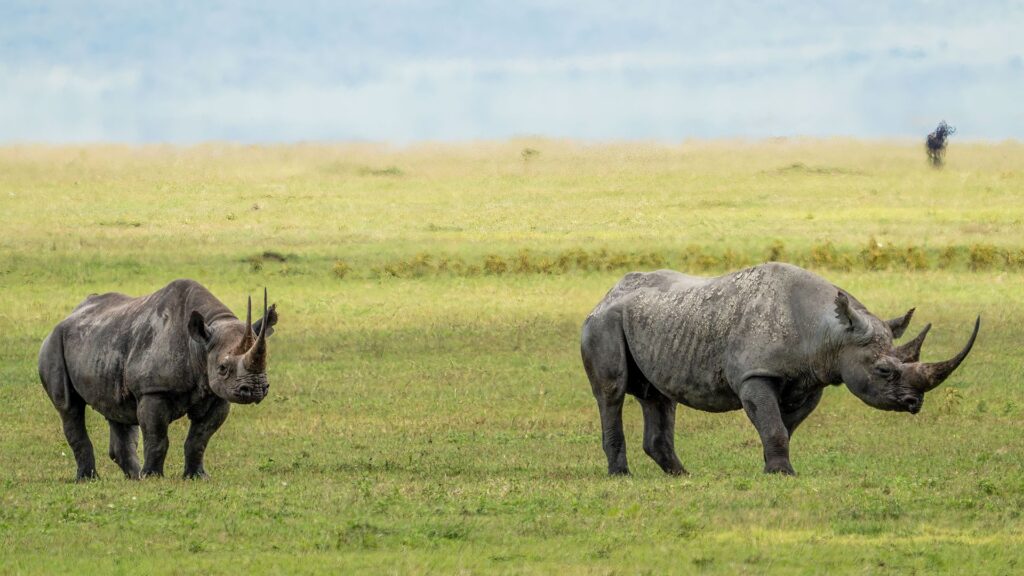
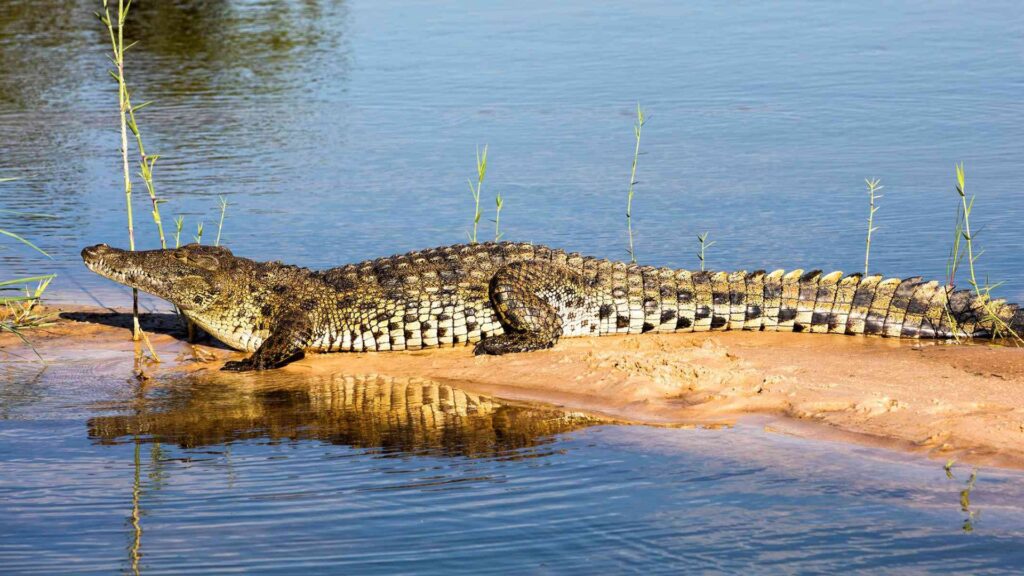
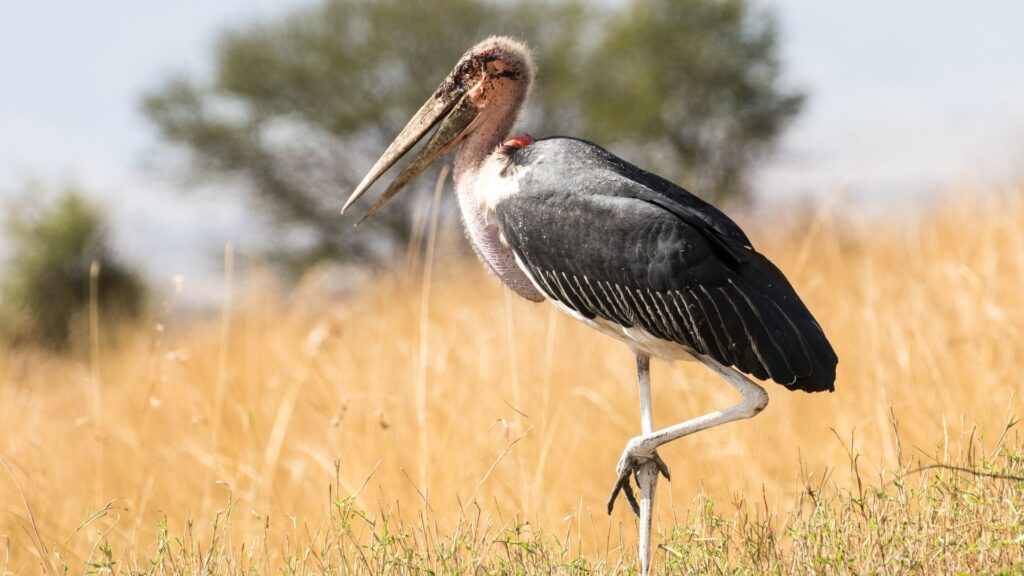
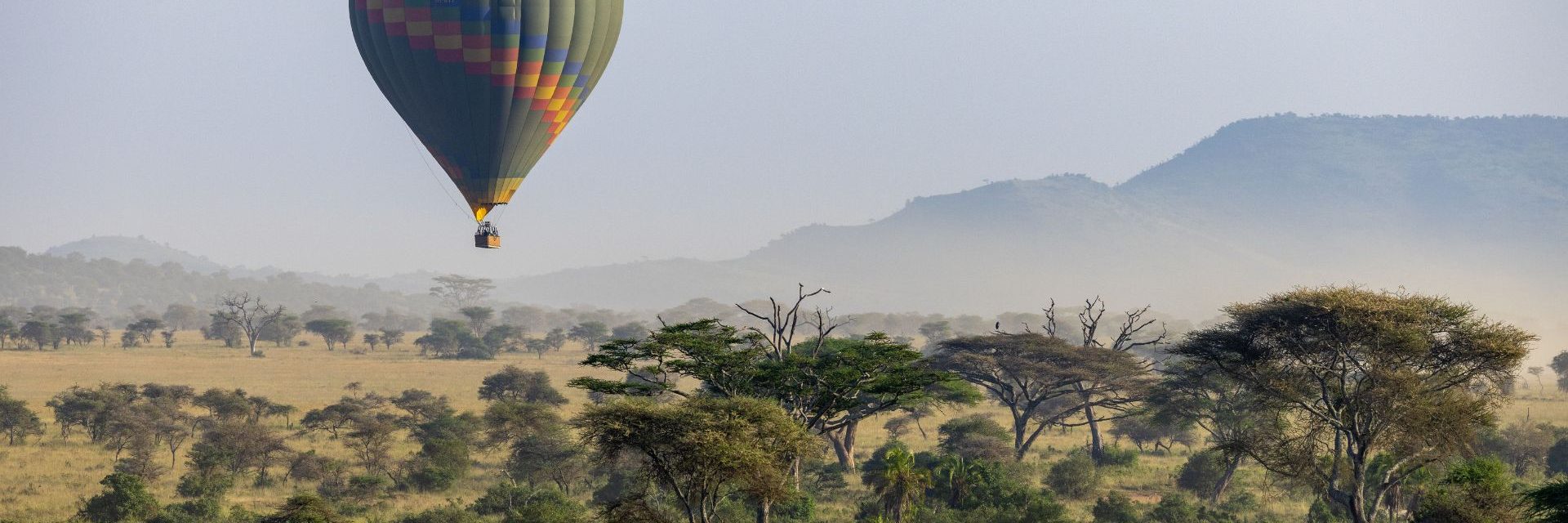
Open volcanic grassland dotted with granite kopjes, and the year-round heart of the park. Seronera's permanent water draws resident wildlife even outside migration season; Ndutu, just south, is the calving ground from December to March.
Defined by the Grumeti and Mbalageti rivers and their fringing riverine forest, this narrower stretch of the park runs toward Lake Victoria. The migration passes through from roughly May to July, with dramatic Grumeti River crossings.
Open Commiphora woodland and hills stretching to the Kenyan border. Home to the famous Mara River crossings from roughly July to October, and quieter, more remote game viewing than the south.
Surrounding conservation areas and game reserves that form the intact wider ecosystem, without which the migration couldn't function. Ngorongoro Conservation Area, adjoining the southeast, is easily combined with a Serengeti trip.
| Season | Months | Conditions | Highlights |
|---|---|---|---|
| Calving season | Dec - Mar | Warm, mostly dry with short November-December rains tapering off; short green grass on southern plains. | Huge concentrations of wildebeest calves and predator action around Ndutu. |
| Long rains / green season | Mar - May | Heaviest rainfall of the year; lush, quiet, and often much cheaper. | Fewer visitors, dramatic skies, excellent birding, lowest lodge rates. |
| Western corridor migration | Jun - Jul | Rains easing, landscape still green; herds moving through. | Grumeti River crossings, transitional scenery. |
| Dry season / peak | Jul - Oct | Dry, dusty, reliably sunny; the classic safari season and the busiest. | Mara River crossings in the north, easiest general game viewing. |
| Short rains | Nov | Brief, often light afternoon showers. | Herds beginning their return south; landscape greening up again. |